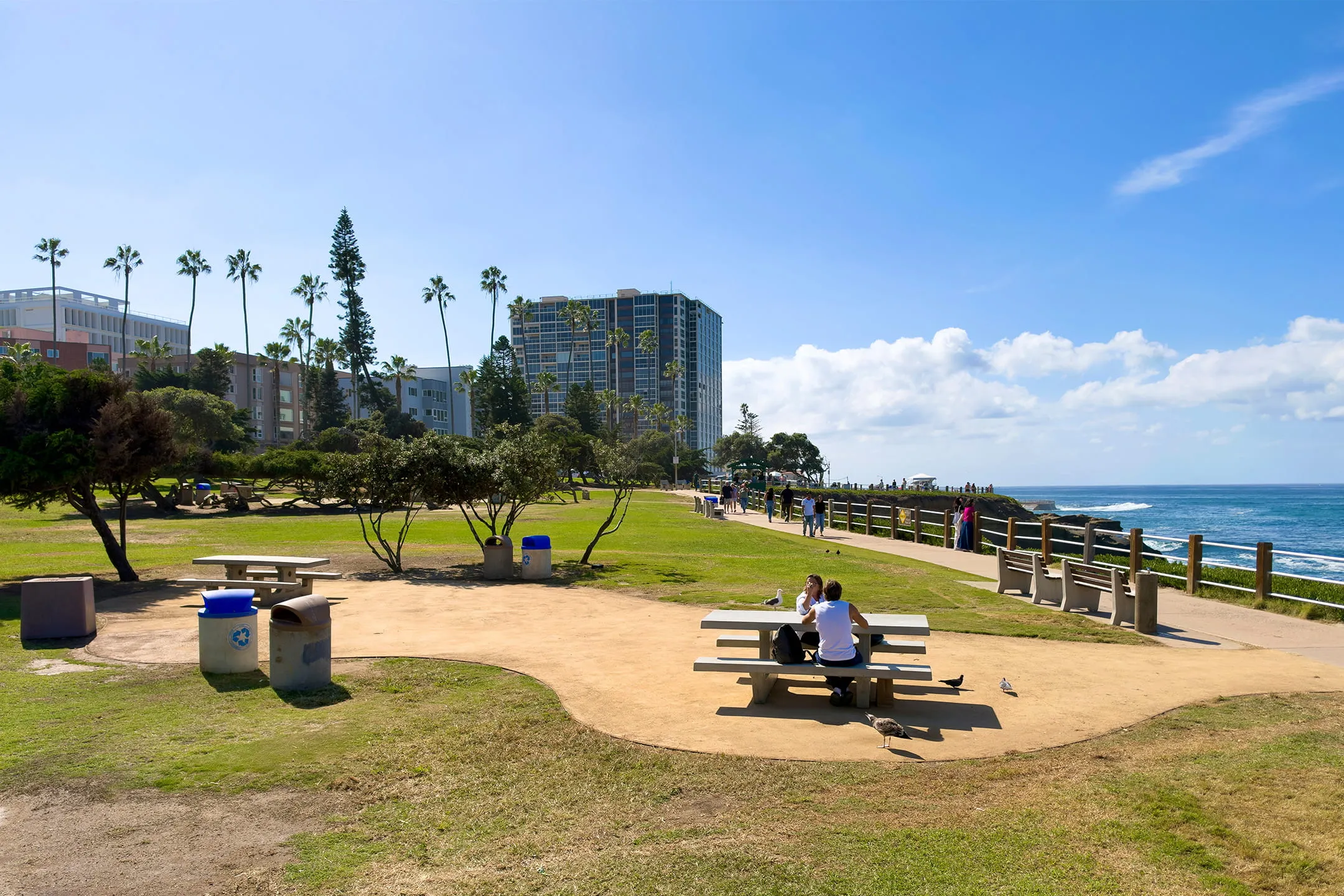
Is it safe to swim in La Jolla today? Check our 2026 ocean advisory hub for bacteria levels, 72-hour rain rules, beach closures and tide safety.
Planning a La Jolla beach day? If you’re a swimmer, surfer or just love jumping in the waves, checking La Jolla water quality first is essential for a safe dip.
You’ll need accurate, real-time facts to keep ahead of rapidly changing water conditions across Southern California, well before you step into the Pacific Ocean, as winter rains, summer heat waves and more can affect water quality all year long.
This is our permanent reference hub for La Jolla ocean health, in which we explain state testing protocols, clarify official county warning tiers and lay out information you need to stay safe at all our La Jolla beaches.
Use this operational guide to interpret advisory signs and monitor tidal shifts like a pro to protect your family from waterborne illness.
San Diego County advisory tiers: What the signs actually mean
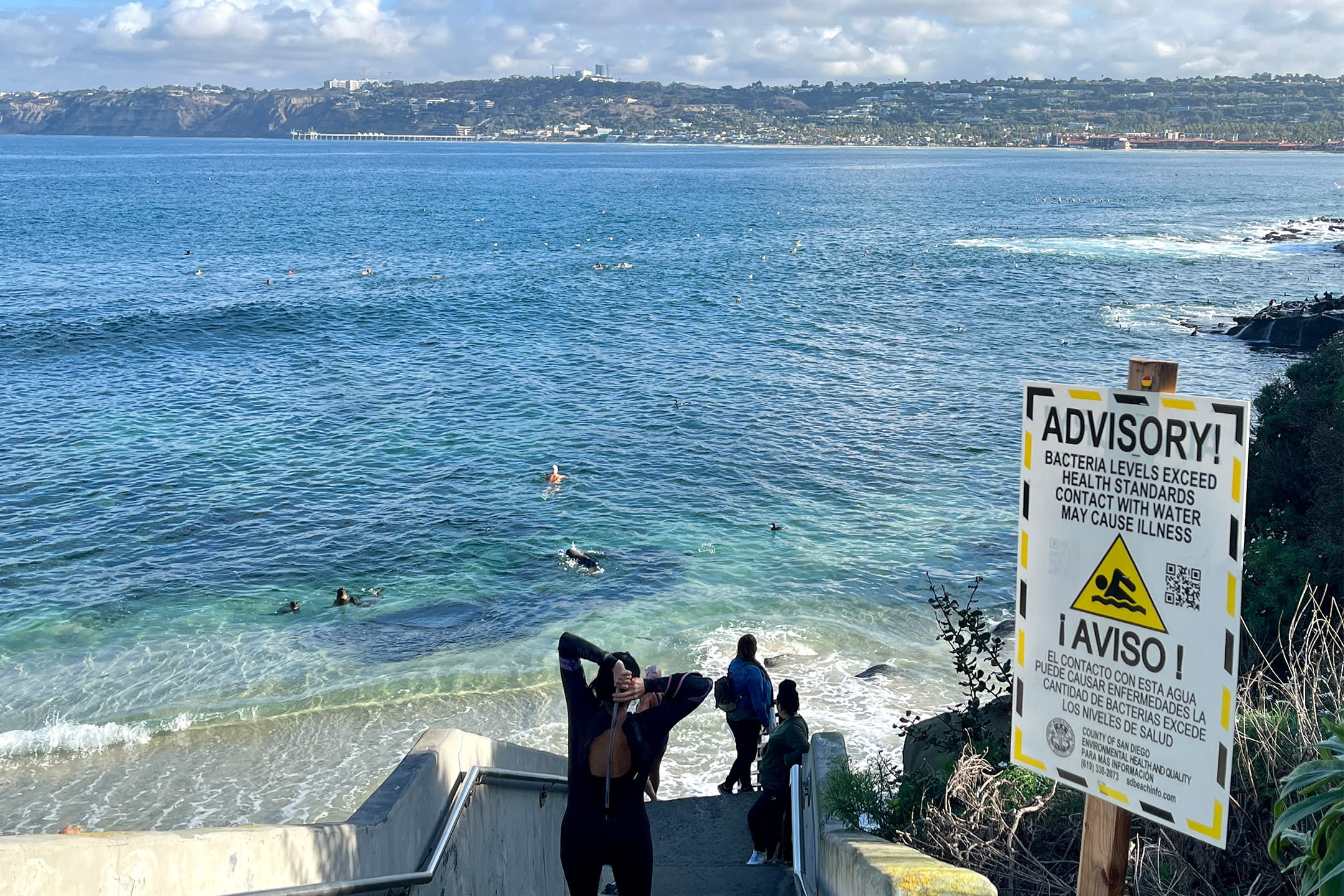
The San Diego County Department of Environmental Health and Quality monitors coastal water year-round. Technicians sample beaches weekly or more often, using digital testing methods to detect bacterial contamination within hours.
Understanding the difference between an advisory, a warning and a full closure keeps you safe from serious gastrointestinal or skin infections.
1. General rain advisory or water advisory (white sign with a yellow border)
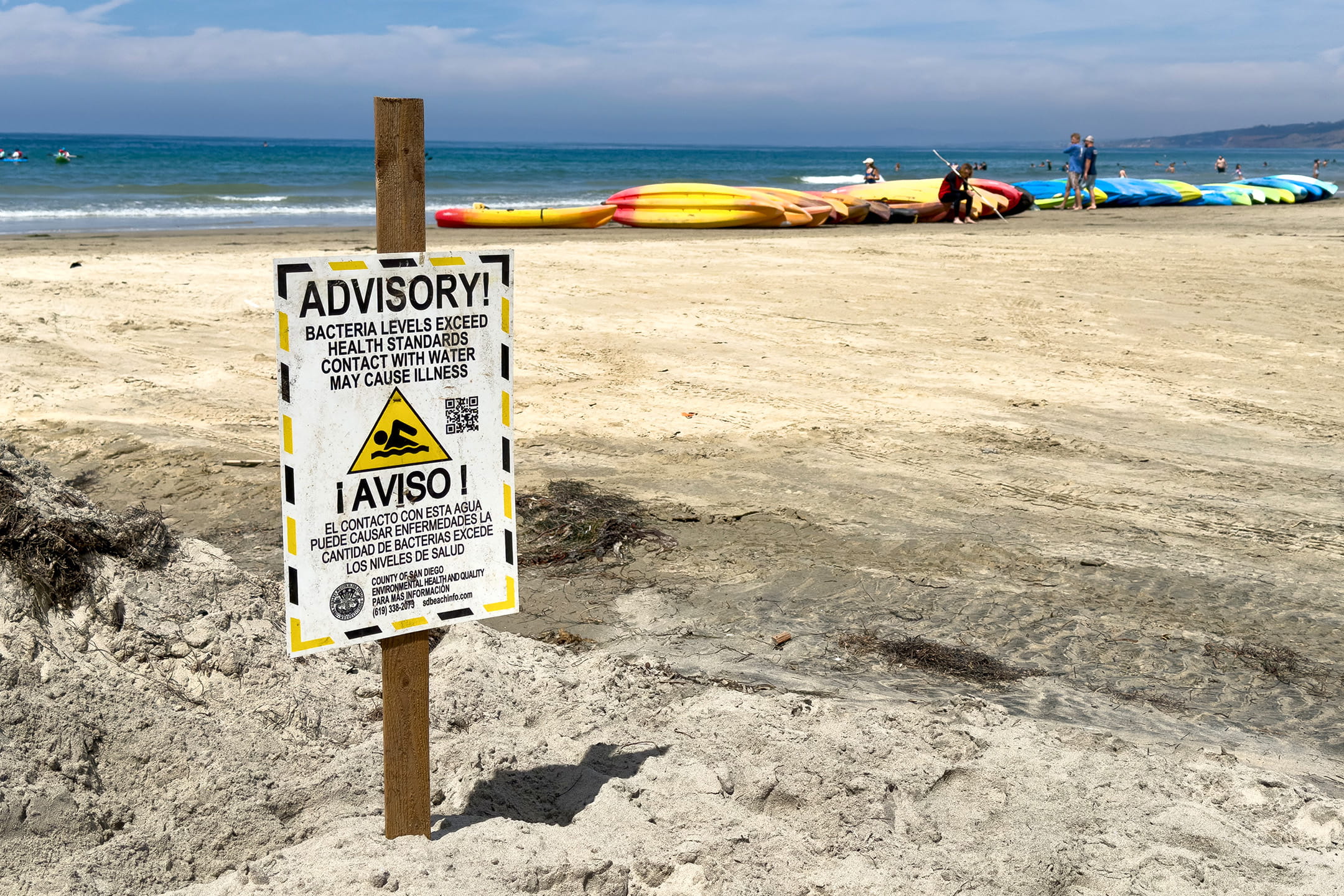
The first level of the county’s Beach & Bay Program actions, a white and yellow advisory sign means either of two things:
- It’s rained in the last 72 hours, which sends motor oil, animal waste, pesticides and street debris into local storm drains that empty onto our beaches.
- Laboratory water samples exceed state health standards for bacteria.
When this sign is up, swimming is not illegal but strongly discouraged, as contact with contaminated water causes skin rashes, ear infections, sinus pain and stomach flu.
Enclosed spots with poor tidal flushing, such as the beach at The Children’s Pool, frequently trigger these advisories, though these advisories can cover every open beach in San Diego, including La Jolla Shores Beach and Windansea Beach.
2. Beach closure (yellow sign with a red border)
A red closure sign indicates an active sewage spill, a toxic chemical discharge or transboundary waste flows.
- Ocean water contact is completely prohibited by law.
- Lifeguards actively enforce the perimeter and entering the water carries legal penalties.
- Contaminated water carries severe pathogens, including dysentery, hepatitis and respiratory illness.
There is a level between advisory and closure: the water warning (blue sign with an orange border). This is only issued in South County and does not appear in La Jolla.
The local’s rule: A bright sunny morning after a storm does not mean the ocean is clean. Runoff flows from storm drains for three full days after the rain clears, so check the official county alerts at sdbeachinfo.com (or our news page) before heading to the shore.
La Jolla water quality profiles, beach by beach
Every beach and inlet along the La Jolla coast features distinct geographic and oceanographic traits. Some enjoy constant, deep-water flushing, while others trap stagnant water inside rocky barriers.
La Jolla Shores Beach

The Shores enjoys some of the cleanest open-water ratings in the region due to expansive tidal movement.
- The clean zone: The central beach near the main lifeguard tower at Kellogg Park typically posts pristine test scores during dry, summer months.
- The vulnerable zone: The southern end near Avenida de la Playa sits adjacent to an active storm drain. Bacteria levels spike here after light drizzles.
- Plan your family beach setup safely with our guide to La Jolla Shores.
La Jolla Cove

The natural beauty of La Jolla Cove comes with complex water dynamics; the beach is under intermittent water advisories all year long.
- The wildlife factor: Hundreds of sea lions and sea birds occupy the rocky cliffs surrounding the beach. Concentrated animal waste on the sand often triggers localized bacteria advisories during warm summer periods.
- Water circulation: The narrow cove geometry restricts wave energy, slowing down natural tidal flushing.
- Review wildlife rules and access routes in our La Jolla Cove user’s manual.
The Children’s Pool Beach

The 300-foot concrete seawall constructed in 1931 blocks heavy surf but also traps ocean water inside an artificial basin.
- This beach maintains near-permanent bacterial advisories due to the dense population of resident harbor seals.
- Local advice: Treat this location as an observational wildlife rookery rather than a swimming pool. Enjoy viewing the seals from the safety of the dry seawall walkway.
- Identify local wildlife responsibly with our seal vs sea lion spotter’s guide.
Windansea and Marine Street beaches

These open-ocean beaches feature heavy breaking surf and rugged sandstone shelves.
- Water quality: Bacterial counts stay consistently low because massive shorebreak waves churn and dilute nearshore water.
- Physical hazards: The danger here comes from heavy shorebreak waves and steep drop-offs rather than bacteria.
- Study the dangerous reef breaks in our Windansea Beach essential reference
Environmental factors: Tides, temperature and runoff
Water quality is not static; three natural systems dictate the cleanliness and safety of the local ocean on any given morning.
The 72-hour rain runoff cycle

San Diego’s arid coastal climate means pollutants can collect on paved streets for months without washing away. That first rain after a monthslong dry spell can be a doozy.
- The first flush: When a rainstorm hits, urban runoff carries motor oil, fertilizers and pet waste through city channels.
- This runoff discharges straight into the surf zone. The county health department directs people to avoid water contact across all beaches until offshore currents flush the plume away.
Water temperature and bacteria blooms

Photo by Erik Jepsen/UC San Diego
As ocean temperatures get above 70 degrees Fahrenheit, especially towards late summer and even more particularly this year with a marine heatwave and onset of an intense El Niño season, bacteria counts also climb:
- Warm coastal water combined with calm summer surf creates optimal breeding grounds for enterococcus bacteria.
- Warm, calm water also fuels massive blooms of non-toxic algae that light up the surf after dark (see the next bullet point).
- Learn how to view glowing waves safely in our 2026 bioluminescence viewing guide.
Tidal flushing and “king” tides
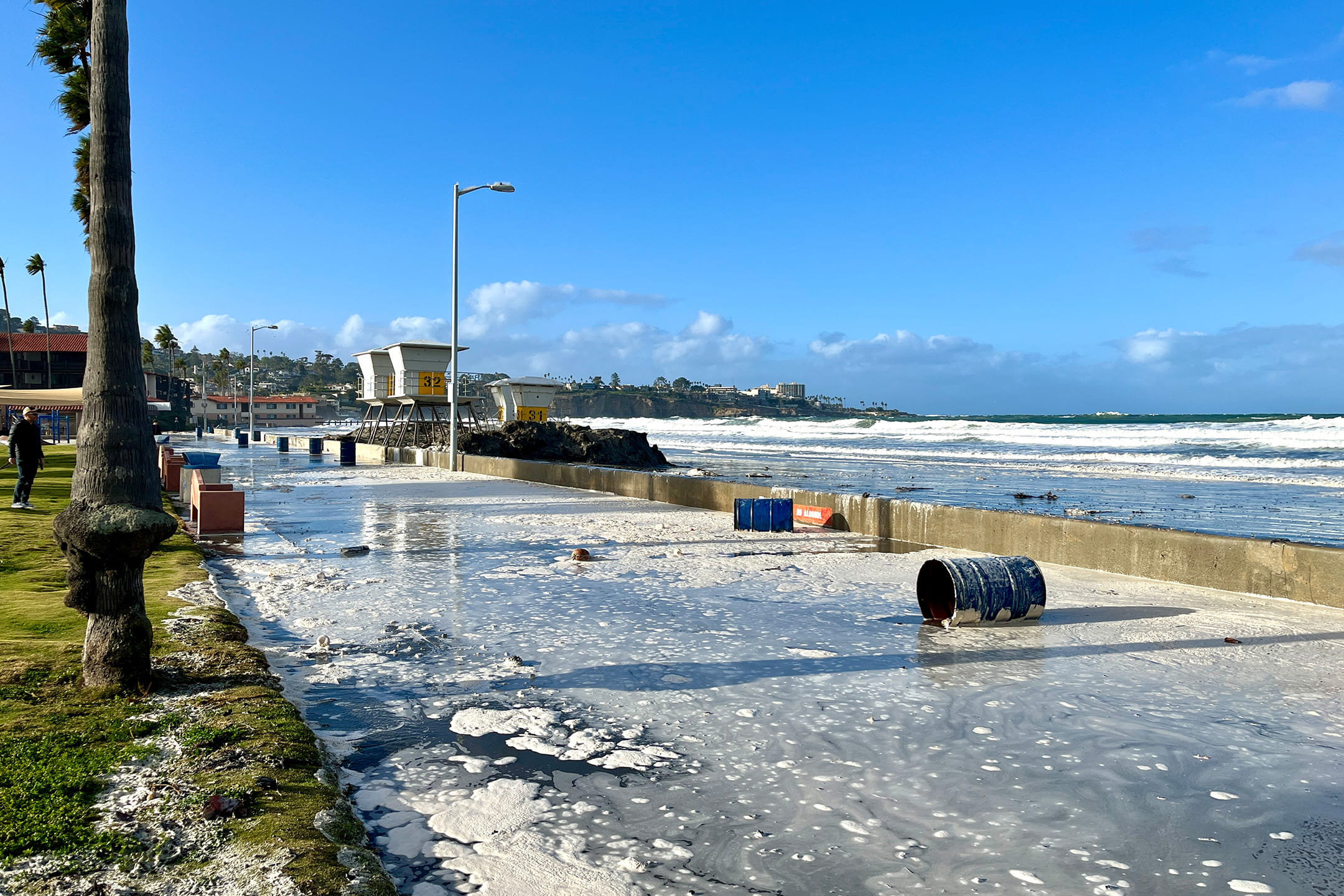
The tide can often clear out beaches.
- Low tides: Low tides expose shallow reefs, concentrating water and exposing fragile tide pool ecosystems at places like Shell Beach.
- “King” tides: Massive high tides – highest in winter – can flood coastal sidewalks and drains, sometimes introducing coastal street runoff directly into the ocean.
Physical ocean hazards: Surf, currents and rocks
Staying safe during ocean recreation means knowing more than the water chemistry. You’ve got to also assess water movement, as a clean beach can still pose serious safety risks.
Avoiding rip currents
Rip currents account for innumerable lifeguard interventions in Southern California.
- A rip current is a fast channel from the shore out to sea, created by gathering water from incoming waves.
- Look for churned-up sand, foam moving steadily offshore and flat spots between breaking wave sets – or ask a San Diego lifeguard on duty if there are current risks.
- Your survival strategy: Never fight a rip current directly. Swim parallel to the beach until you escape the channel, then ride incoming waves back to shore.
- Review complete ocean safety techniques in our La Jolla ocean safety and cliff hazard guide.
Submerged sandstone reefs

Beaches south of The Village sit on shallow, razor-sharp rock reefs.
- Surfers and bodyboarders at breaks in Bird Rock face severe wipeout risks on shallow rocky shelves. Do not attempt to get in the water here if you aren’t an expert.
- Always enter the water during a rising tide if you are unfamiliar with local underwater rock locations.
Health symptoms: What to do if you get sick
Swimming during an unposted advisory or swallowing contaminated ocean water can cause illness within 12 to 48 hours.
Common ocean-borne illnesses
- Gastroenteritis: Nausea, vomiting, stomach cramps and diarrhea caused by ingesting ocean bacteria.
- Ear and eye infections: Outer ear canal infections (swimmer’s ear) and conjunctivitis caused by contaminated water entering sensitive tissue.
- Skin rashes and wound infections: Staph infections and oceanic skin rashes caused by bacteria entering open cuts, scrapes or coral scratches.
Immediate action steps
- Rinse thoroughly: Always shower with fresh water and soap at beachside stations immediately after exiting the surf.
- Clean open wounds: Flush cuts with clean tap water and treat them with an antiseptic ointment.
- Seek medical care: Consult an urgent care physician if you develop a fever, persistent stomach pain or spreading redness around an abrasion.
When water advisories are active: Your backup plan
A posted water advisory does not ruin your day on the coast! La Jolla offers dozens of scenic, dry activities that keep you away from contaminated water.
Explore the coast from above

Stay on high ground and take in the ocean views from cliffside walking trails.
- Stroll the scenic path on the Coast Walk Trail without touching the water.
- Walk down into the cliffs and view history using the dry, enclosed wooden staircase at The Cave Store to view Sunny Jim’s Sea Cave.
- Hike other bluffs around La Jolla with our guide to hiking. Note that Torrey Pines State Natural Reserve is closed through February.
Retail therapy in The Village

When coastal water advisories are active, head up the hill.
- Shop the boutiques: Walk along Girard Avenue and Prospect Street to explore high-end fashion and local art.
- Visit renowned galleries and hidden treasures to tour private art collections and antique showrooms.
- Discover local shopping districts in our La Jolla shopping handbook.
Dine with an ocean view

Enjoy the Pacific Ocean’s brilliant scenery from a safe, dry vantage point.
- Book an open-air table with rooftop views on the Ocean Terrace at George’s at the Cove on the Ocean Terrace.
- Enjoy fresh coastal cuisine on the oceanfront patio at The Shores Restaurant or take in dramatic waves at The Marine Room.
- Reserve a table using our curated list of the best La Jolla restaurants with an ocean view.
Where to find real-time daily updates
Don’t guess when it comes to assessing ocean conditions in La Jolla. Check with the experts.
- Load sdbeachinfo.com, the definitive daily source for water testing results across all San Diego beaches and bays.
- The lajolla.ca news page will also carry the latest advisories when posted.
- Ask a lifeguard. The San Diego lifeguards on duty will be able to tell you the latest conditions and safety statuses.
- For active spills or pollution reports, contact the County Department of Environmental Health and Quality directly.
La Jolla provides access to world-class marine ecosystems, but ocean safety starts on dry land. Understanding county advisory levels, honoring rain runoff rules and respecting wildlife preserves ensure you can enjoy the water without risking your health. Check the morning reports, monitor the tides and make smart decisions before diving into the Pacific.
Planning a full La Jolla getaway to La Jolla? Use our three-day La Jolla itinerary to organize your best trip.