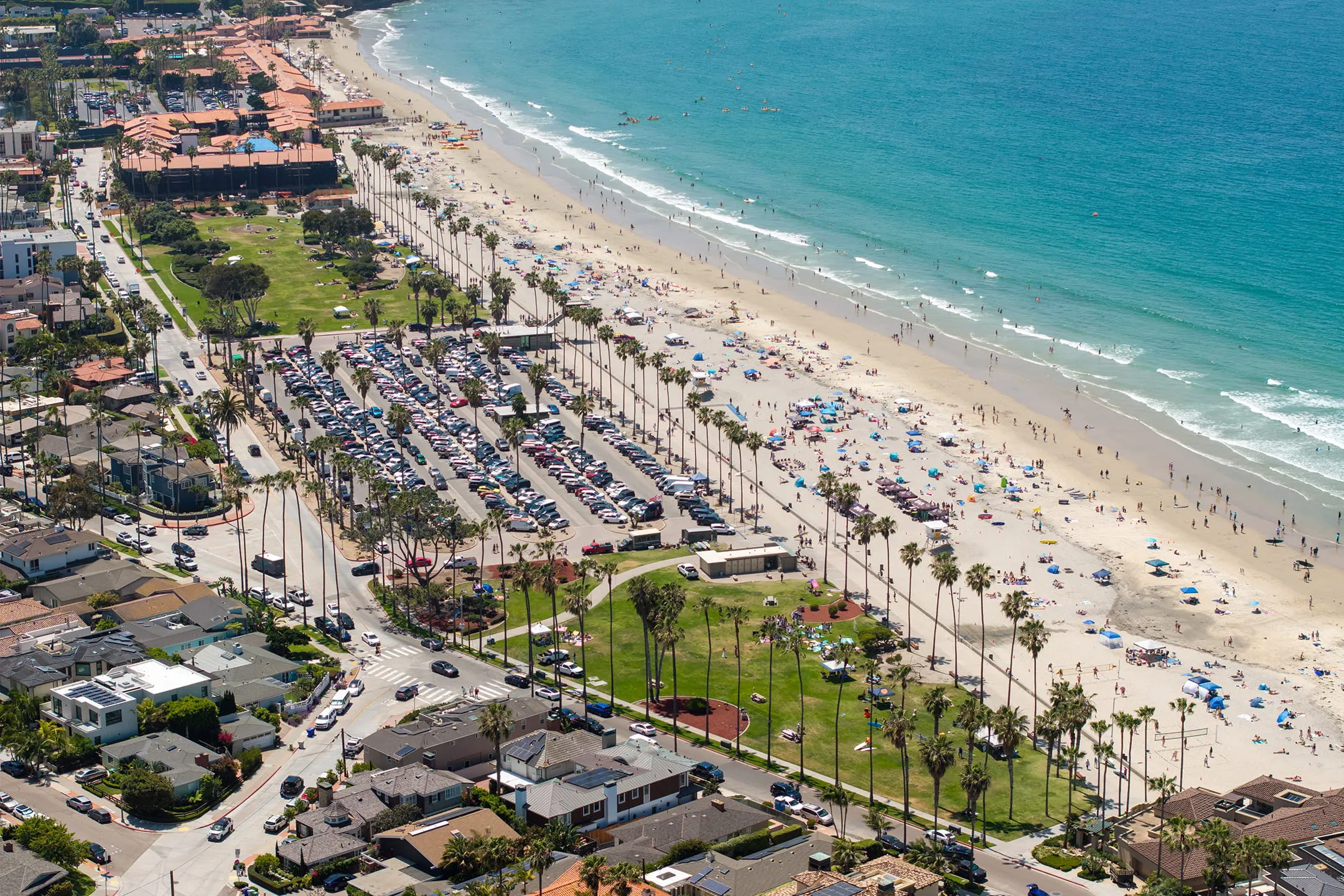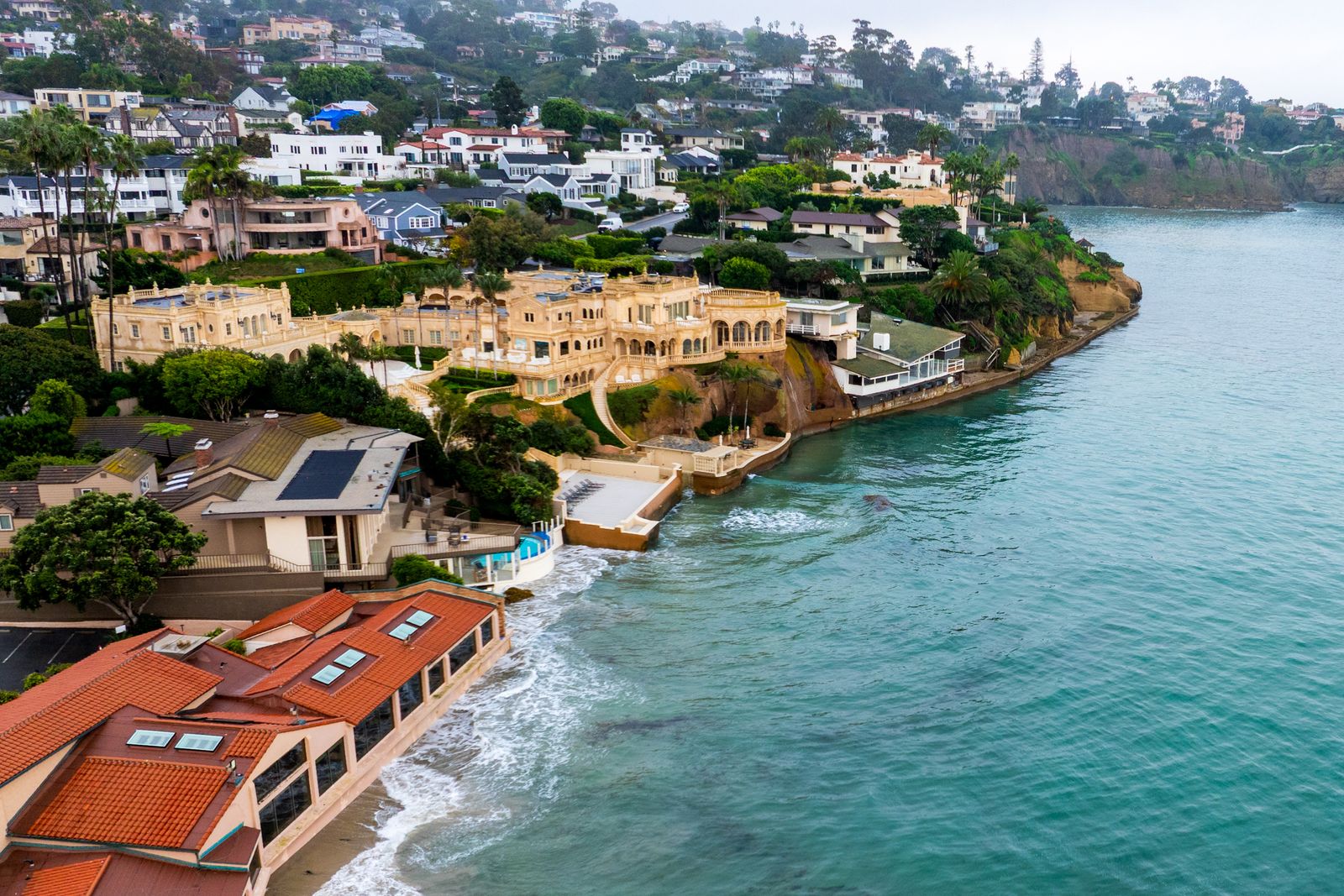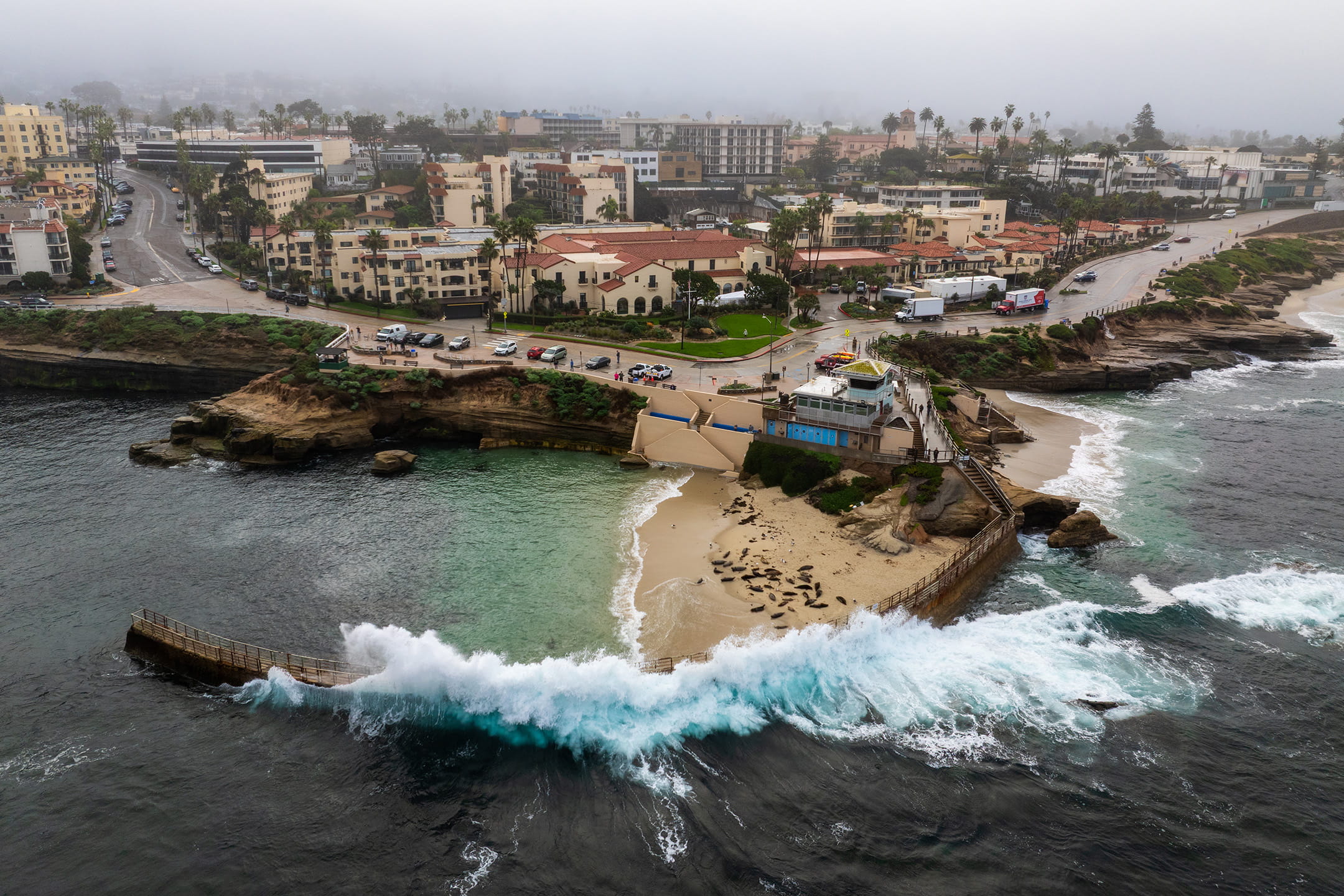
Some impacts are already being felt; scientists and local officials are preparing for more and spreading the word about research and preparation.
San Diego is expecting a potentially significant El Niño season, during which heavy rain, repeated storms and significant flooding is predicted across the region this fall and winter, and La Jolla’s position on the coastline means specific topographical and marine life impacts could be felt.
To stay ahead of the expected severe weather, California Governor Gavin Newsom declared a state of emergency statewide; San Diego County and the city of San Diego also issued their own declarations of emergency to accelerate access to preparation resources and disaster assistance should the needs arise.
The city’s “El Niño Preparedness Working Group” has been preparing for the potential impacts of heavier rainfall, flooding, powerful surf, beach erosion, mudslides, extreme heat, power outages and other hazardous conditions, San Diego Mayor Todd Gloria said in a statement.
“Preparedness is a shared responsibility, and the actions we take now can protect lives and property in the months ahead.”
What is El Niño?
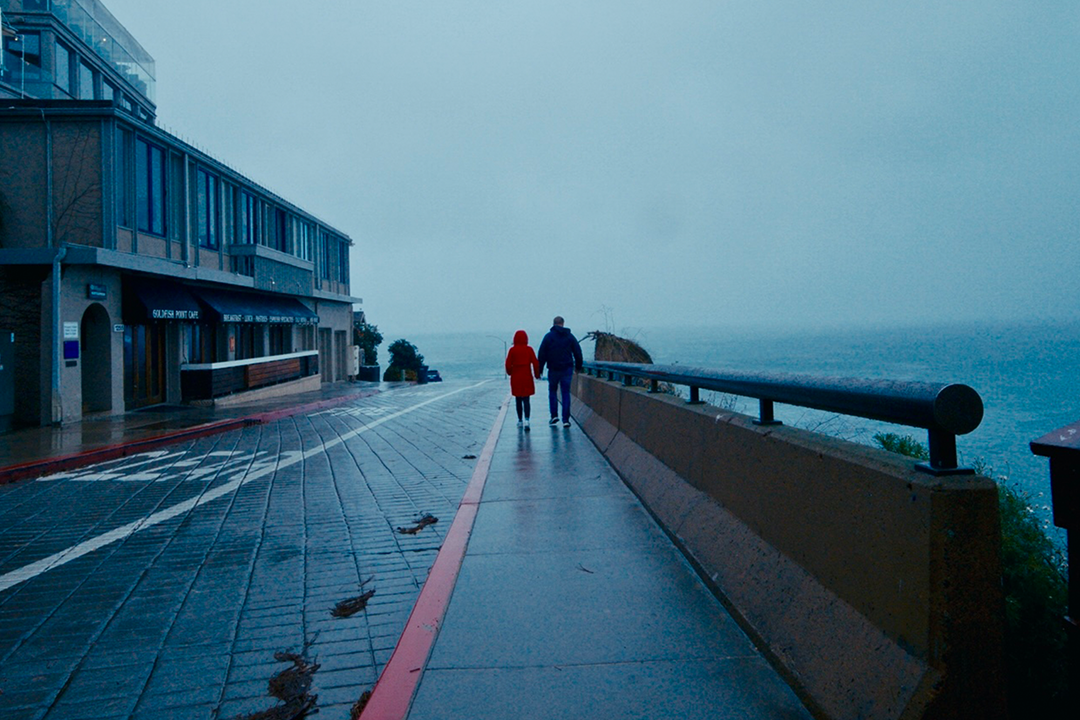
El Niño (Spanish for “the child”) is a season – or seasons – in which weaker trade winds, westerly instead of the normal easterly, push warm water to the eastern Pacific Ocean and create a loop reinforcing and strengthening itself, according to Daniel Rudnick, a physical oceanographer and director of the Instrument Development Group at UC San Diego’s Scripps Institution of Oceanography, who spoke at an Oct 7 SIO El Niño education event.
The air rising off that loop contributes to the jet stream, “a ribbon of really fast-moving air” that carries storm activity from mid-ocean to the west coast of the US, National Weather Service meteorologist Sebastian Westerink said.
A stronger jet stream means more storms, he said.
So while El Niño isn’t a storm unto itself, El Niño conditions can result in changes to precipitation patterns, though Westerink emphasized weather hazards like coastal flooding, wind damage and beach erosion can happen during any storm season.
“El Niño is just increasing the odds,” he said, noting that there will still be periods of non-stormy weather the next several months.
El Niño years occur every seven years or so; in recent history, 1983, 1998 and 2015 have been particularly extreme El Niños, bringing heavy rainfall, flooding, erosion and more to the region.
Current conditions
“We have El Niño conditions right now,” Rudnick said, as the ocean’s surface temperature is five degrees warmer than normal in the eastern equatorial Pacific, warmth that extends along the coast of the western US.

Warm water takes up more volume, meaning the sea level is higher than normal as well, he said.
Compounding the potential effects is that the El Niño is stacking on top of an existing marine heat wave, one that’s been growing for more than a year, Rudnick said, adding some ocean temperatures in California are measuring at the warmest in more than 20 years.
The accumulating conditions mean this El Niño is shaping up to be “especially strong,” he said.
Marine life impacts
La Jolla is already feeling the impacts of El Niño and warmer ocean temperatures, however, as scientists have recorded a 25 to 75% reduction in plankton, SIO biological oceanographer and Shore Stations program manager Melissa Carter said.
“This is a big deal.”
The plankton loss means a chain reaction, leading to what scientists are now calling “the great starvation event” in 2026, during which high numbers of dead seabirds have washed ashore or been found, deprived of critical nutrients and food.

Image by Ana Ramirez/Courtesy of Flo Li
Local marine ecosystems are also experiencing a substantial loss of giant kelp from warm water, which means a loss of habitat and food for local invertebrates and fishes, along with an increase in pathogens and pests.
These conditions mean the region is facing a “loaded” El Niño season, Carter said. “We’re starting with already a very low population or base of giant kelp that is going to lead to greater effects for the fishes, the invertebrates” and other organisms in the kelp forests.
Geological impacts
“This El Niño event is already having some impacts on our coastlines,” said SIO coastal geomorphologist Adam Young, as local ocean levels are already about a foot higher than normal.
Current data is tracking similar to the previous strong El Niño events, Young said, “and even higher.
“Given the historical record, we expect the sea level to remain elevated at least for the next few months.”

Coastal hazards – and the potential for damage – will increase if large wave and storm events occur during “king” tides, which peak during winter months, Young added.
The direction of the waves is also important, he said: “If we get waves coming out of the west, that’s going to have a more direct impact for our region.”
La Jolla and other coastal San Diego spots could see severe beach erosion, coastal flooding and landslides, Young said.

“We have a lot of infrastructure on our coastline in Southern California,” he said, such as homes, highways, railways and other public resources.
“This really impacts the region as a whole.”
Preparing for El Niño
While local organizations like the La Jolla Coastal Conservancy are proactively preparing the coastline for El Niño, residents are encouraged to do the same.
The city of San Diego’s El Niño resource page includes the following tips:
-
- Monitor weather conditions through alerts and weather forecasts.
-
- Have a portable emergency kit, flashlights and family evacuation plan ready.
-
- Check your flood insurance status for your home.
-
- Get free sandbags to place around areas prone to flooding. La Jolla’s closest distribution for sandbags is the Pacific Beach Recreation Center.
-
- Check and clear drains, gutters and other runoff areas.