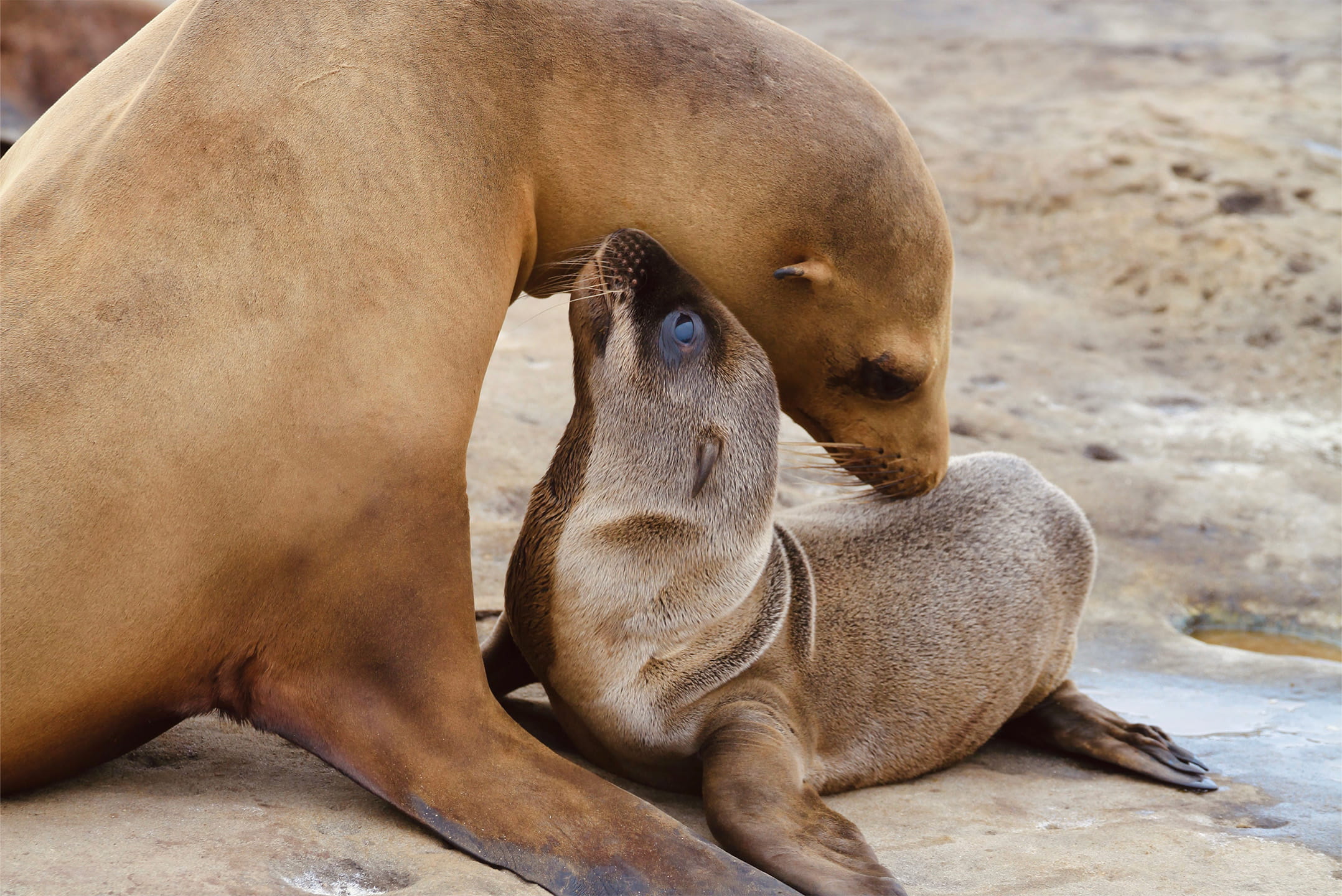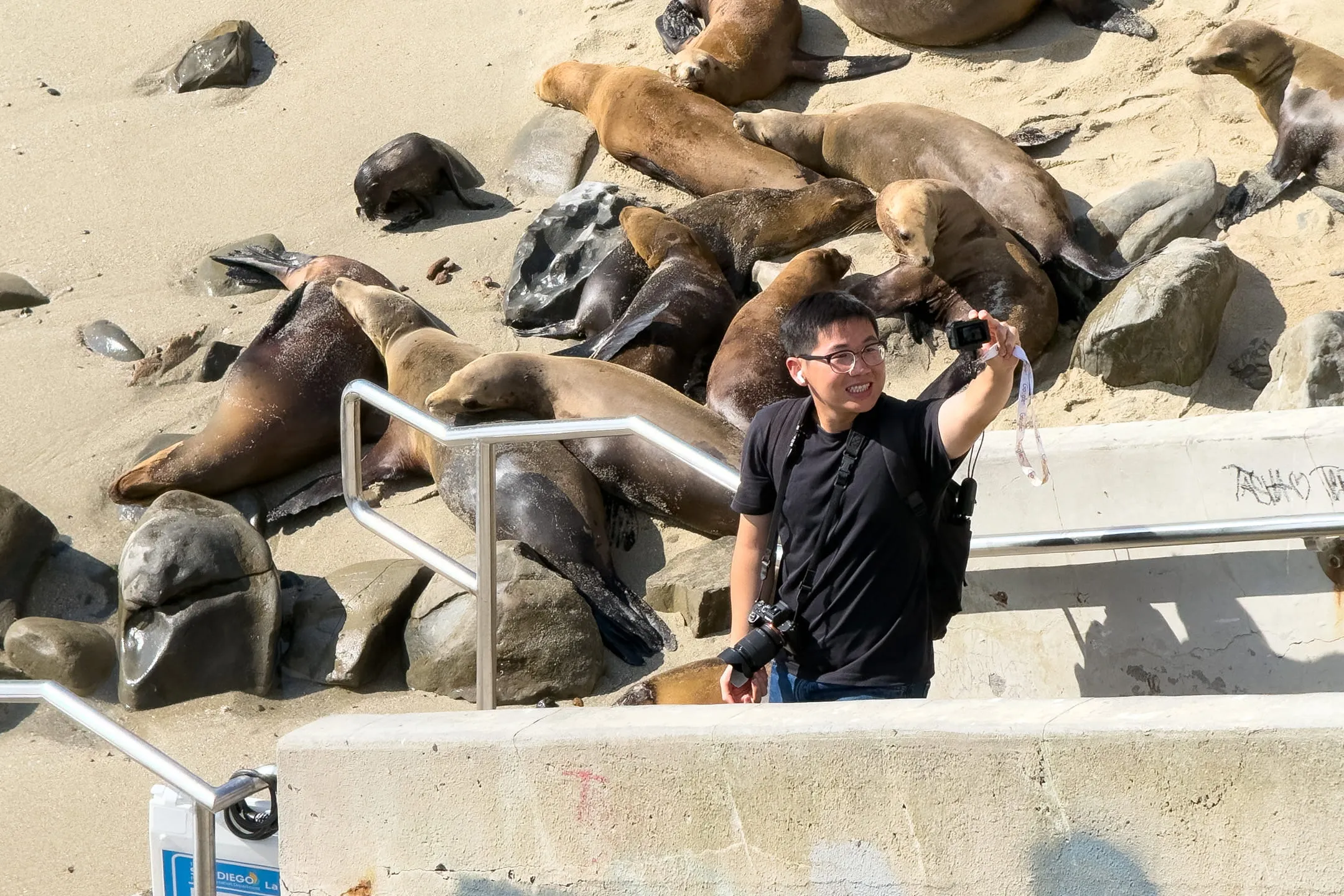
La Jolla Parks & Beaches hears impassioned pleas from all sides of the ongoing Cove sea lion tension before agreeing to support pupping season restrictions.
The next wave of tension in how to manage conflict between sea lions and humans at La Jolla Cove crested during the Aug 24 La Jolla Parks & Beaches meeting, where a record crowd debated contentiously before the board voted to ask the city of San Diego to consider restricting Cove access for part of the year.
La Jolla Parks and Beaches, Inc is a 501(c)(3) nonprofit public benefit corporation with 15 current board members, founded in 2011 to preserve, protect and enhance the parks, beaches and other recreational resources from just south of La Jolla Shores through Bird Rock.
The group also makes recommendations to the city but has no further power to enact policy change.
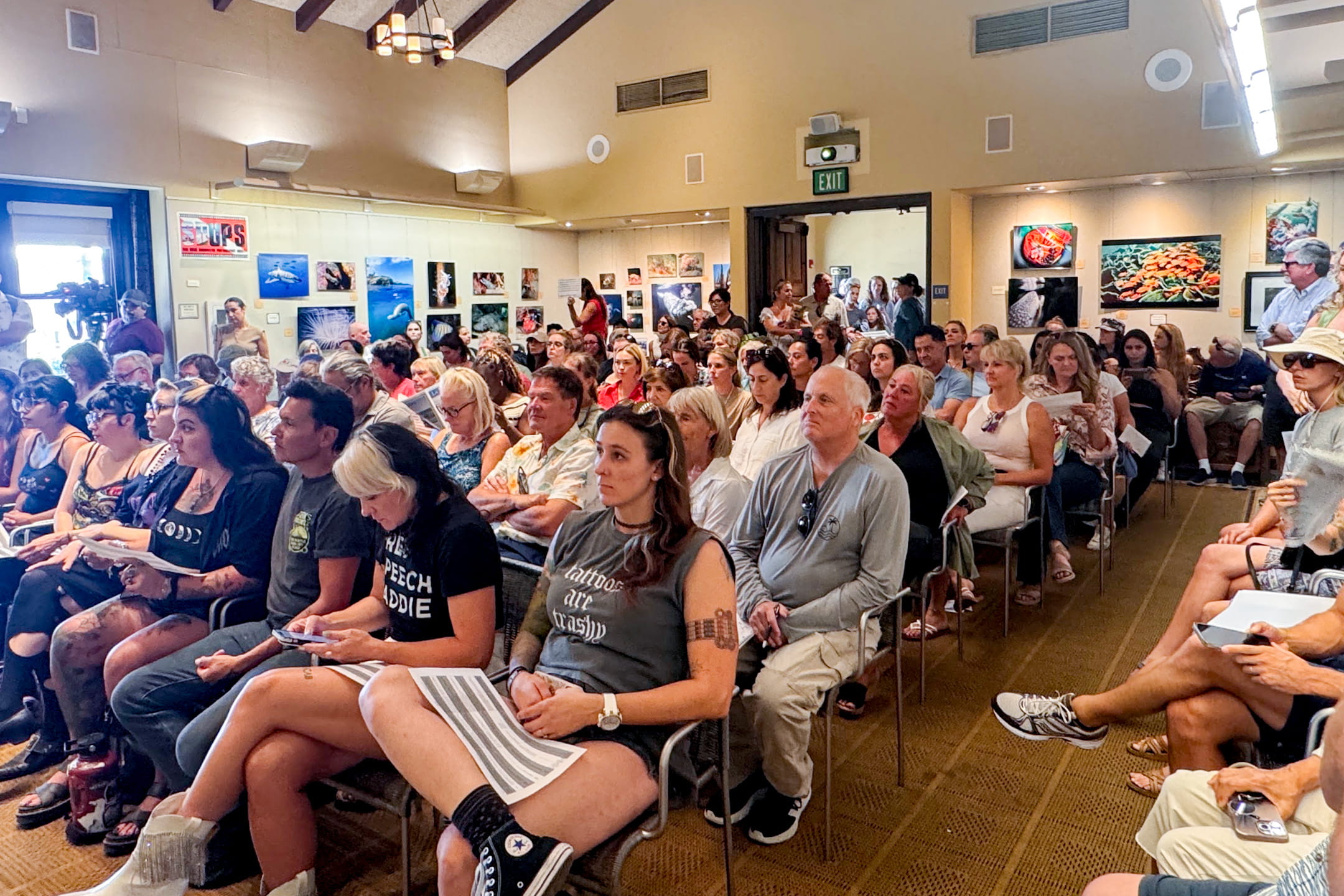
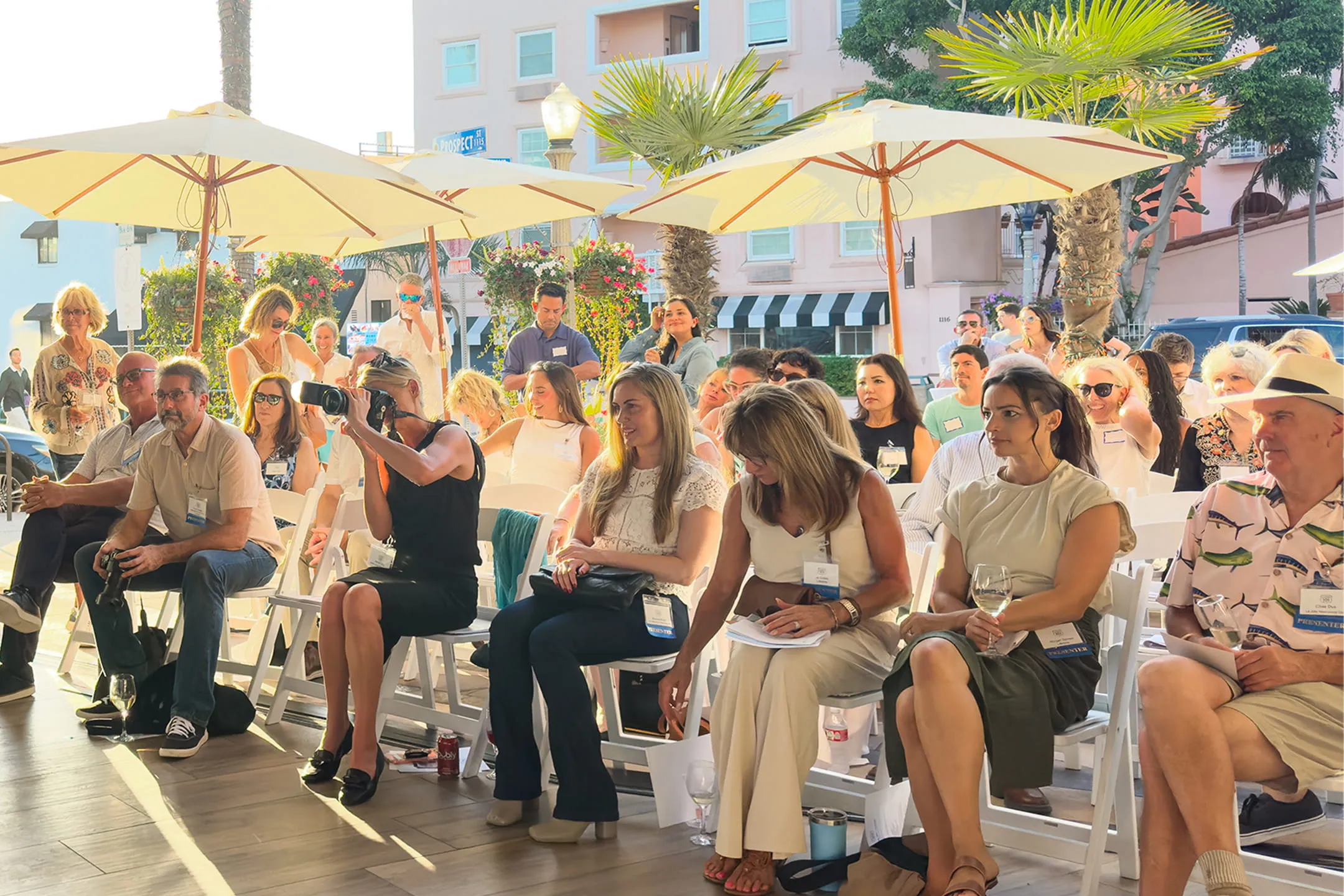
Meetings are held monthly, usually with a handful of public attendees; the Aug 24 meeting saw more than 110 in attendance, many of whom stood outside the La Jolla/Riford’s meeting room as space was filled to capacity.
During the meeting, which was characterized by unrest from frustrated participants who could not hear the meeting and those who interrupted the public comment process – during which speakers were chosen randomly from a long list – to weigh in.
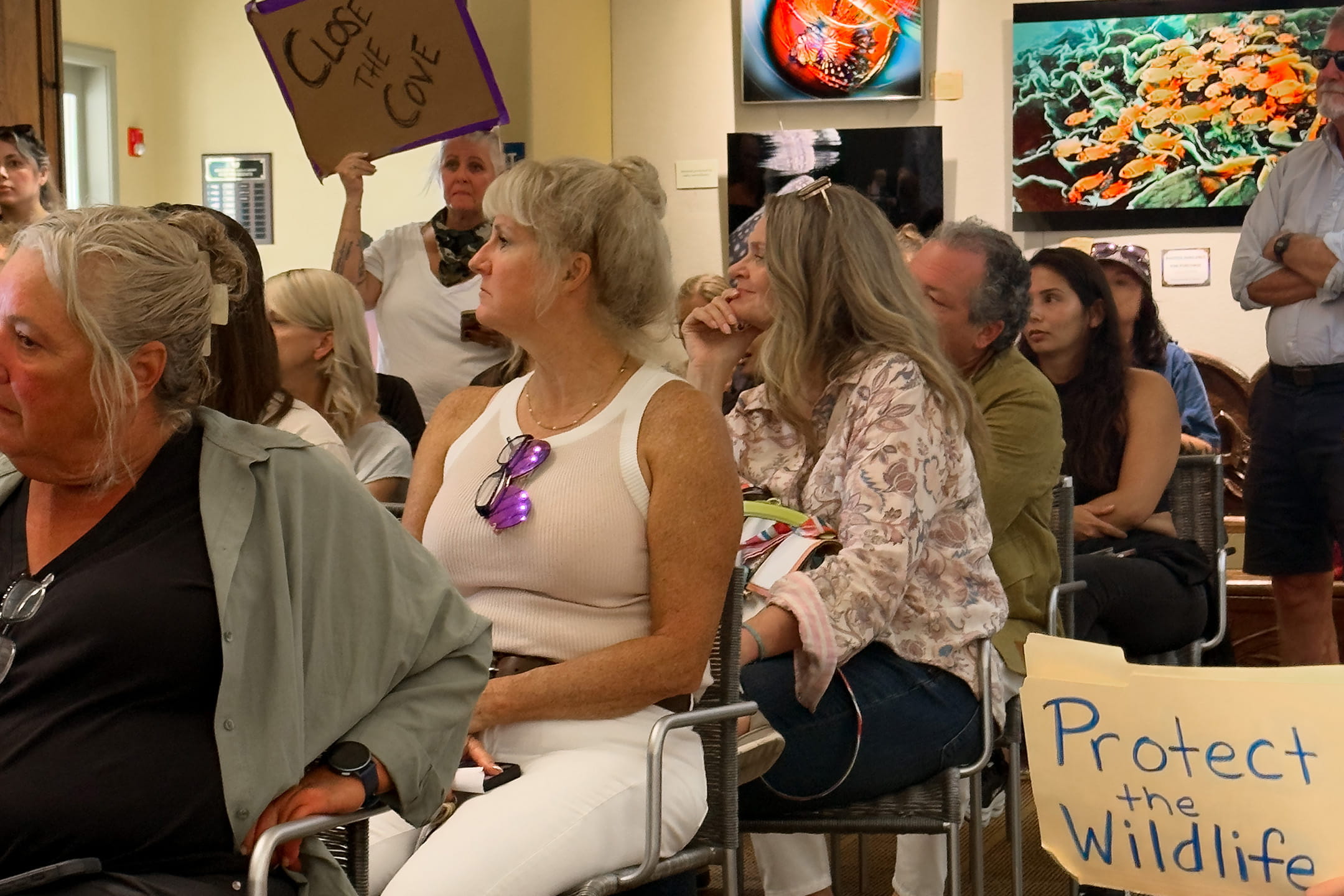
Some held signs or papers with messages ranging from “Close the Cove” or “Coexist” and nearly all were there to sound off on the ongoing conflict at La Jolla Cove, which ranked as the top beach in the US this year but is increasingly in the news for human harassment of the California sea lions hauling out on the beach to rest, give birth and nurse their pups.
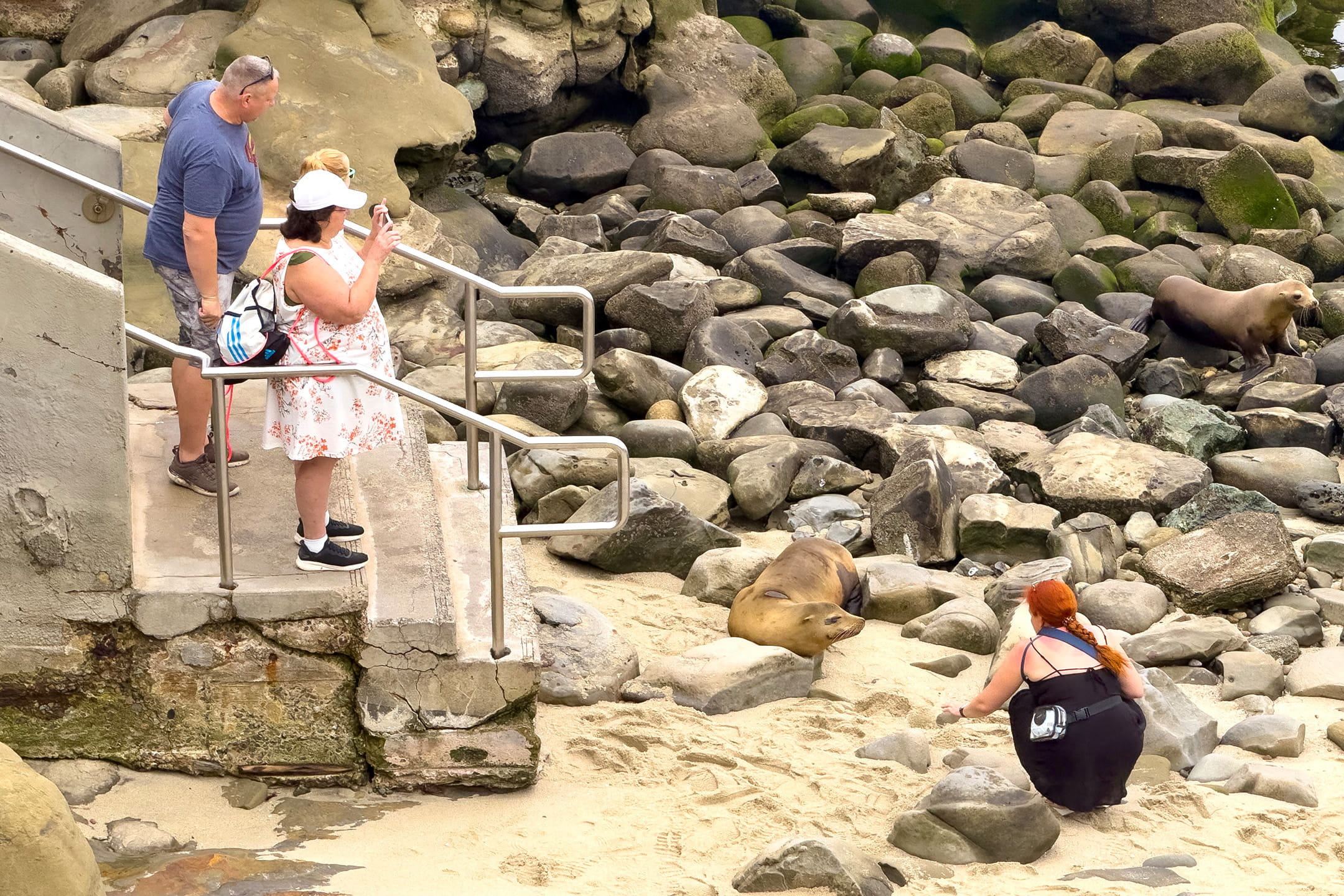
Incidents of humans getting too close to the sea lions – a violation of the Marine Mammal Protection Act – persist, including the recent, viral video of a teen kicking a sea lion at the adjacent Point La Jolla, despite the city implementing a newer management plan.
That plan, which city officials touted as netting positive results in June, installed new signage and increased Park Ranger presence, among other measures.
The plan lacks enforcement, however, as there seems to be “no federal, state or local agency with the resources or priorities to enforce policies,” LJP&B President Ann Dynes said.
Public comment: sea lion supremacy vs unfettered access
Public comment revealed several ideas Aug 24; impassioned community members implored the LJP&B board to either close The Cove entirely to humans; keep The Cove open for human enjoyment; or find a middle ground.
Joaquin Quintero, speaking for San Diego City Council President Joe LaCava, reiterated LaCava’s opposition to a closure of La Jolla Cove.
LaCava “wants to see how to facilitate human and animal access,” Quintero said. “More work needs to be done.”
The sea lions need to be left alone, according to Cypress Hansen, a local naturalist and former marine biologist who worked at the San Diego Natural History Museum (The Nat).
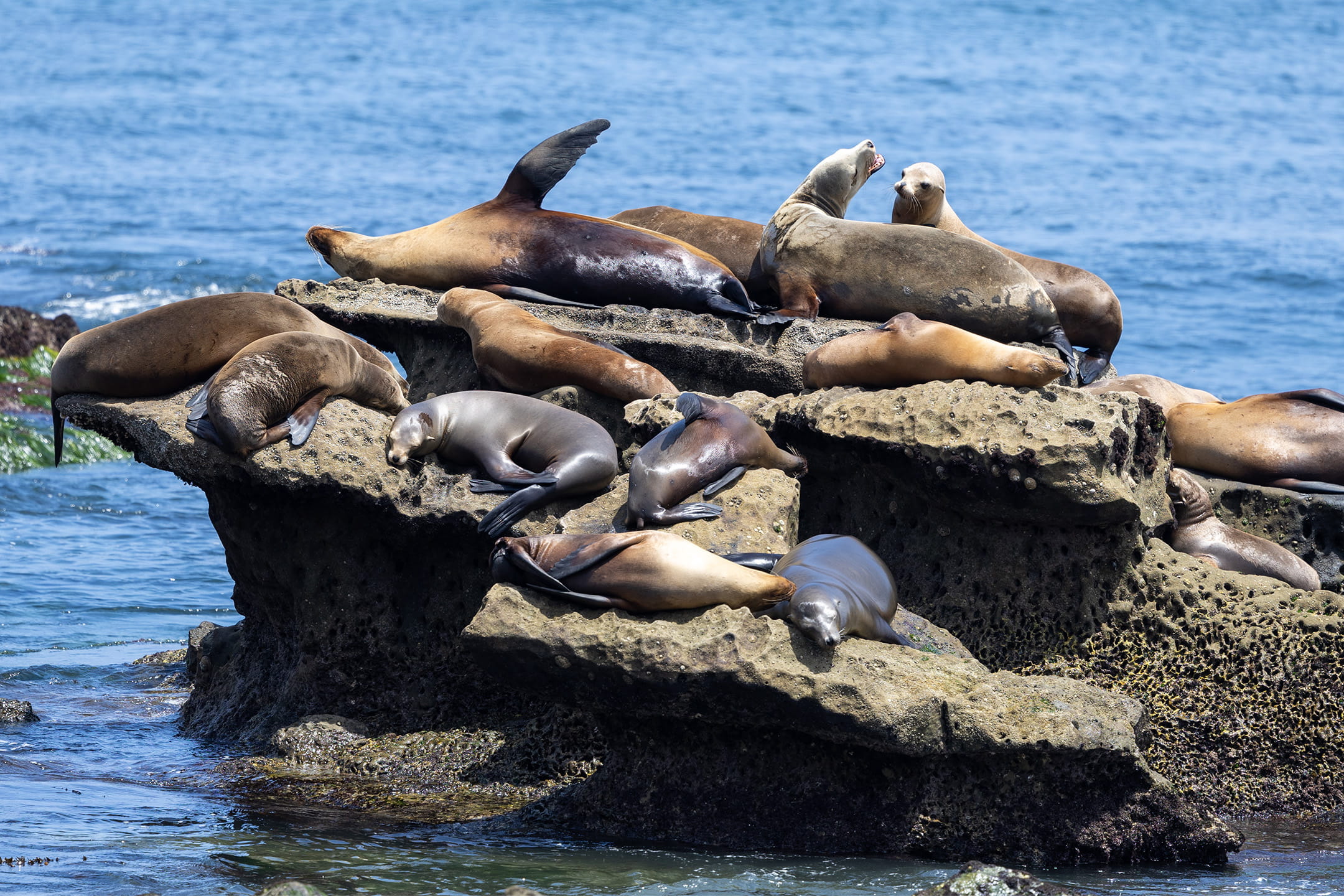
The California sea lion occupies 1% of all of the coastlines in the world, she said. Rookeries, where sea lions breed and raise their young, comprise 5% of that 1%, and a further 7% of that space is dedicated Marine Protected Area space, where the state limits fishing and human activity.
“That amounts to 0.0035% of the coastlines in the world that California sea lions have available to them as a safe space for them to breed and exist.” Hansen said.
Further, she said, sea lions are “a major part of the ecosystem out here, … an incredible point of distinction for La Jolla.”
Sea lions also predate most humans in La Jolla, Hansen added, showing images from The Nat of sea lion fossils discovered on Coast Boulevard just north of The Cove; the fossils date back 80,000 years.
The sea lions have been in La Jolla longer, Hansen emphasized. “They belong. They should not be removed. They should not be scared off, and they should not be harassed by tourists and locals alike.”
Several people who swim La Jolla Cove often spoke out against closure, saying swimming The Cove is vital to their health and wellbeing.
“We love the sea lions” Penelope Nagel, who grew up swimming La Jolla Cove and still swims it daily.
Recent closures like that of Point La Jolla for sea lion protection has led to a proliferation of sea lions, Nagel said, asking LJP&B to keep The Cove open.
“Let’s find other ways to stop the overpopulation because right now we’ve got too many,” she said.
Others called for a solution somewhere in the gray area between closure and pinniped expulsion.
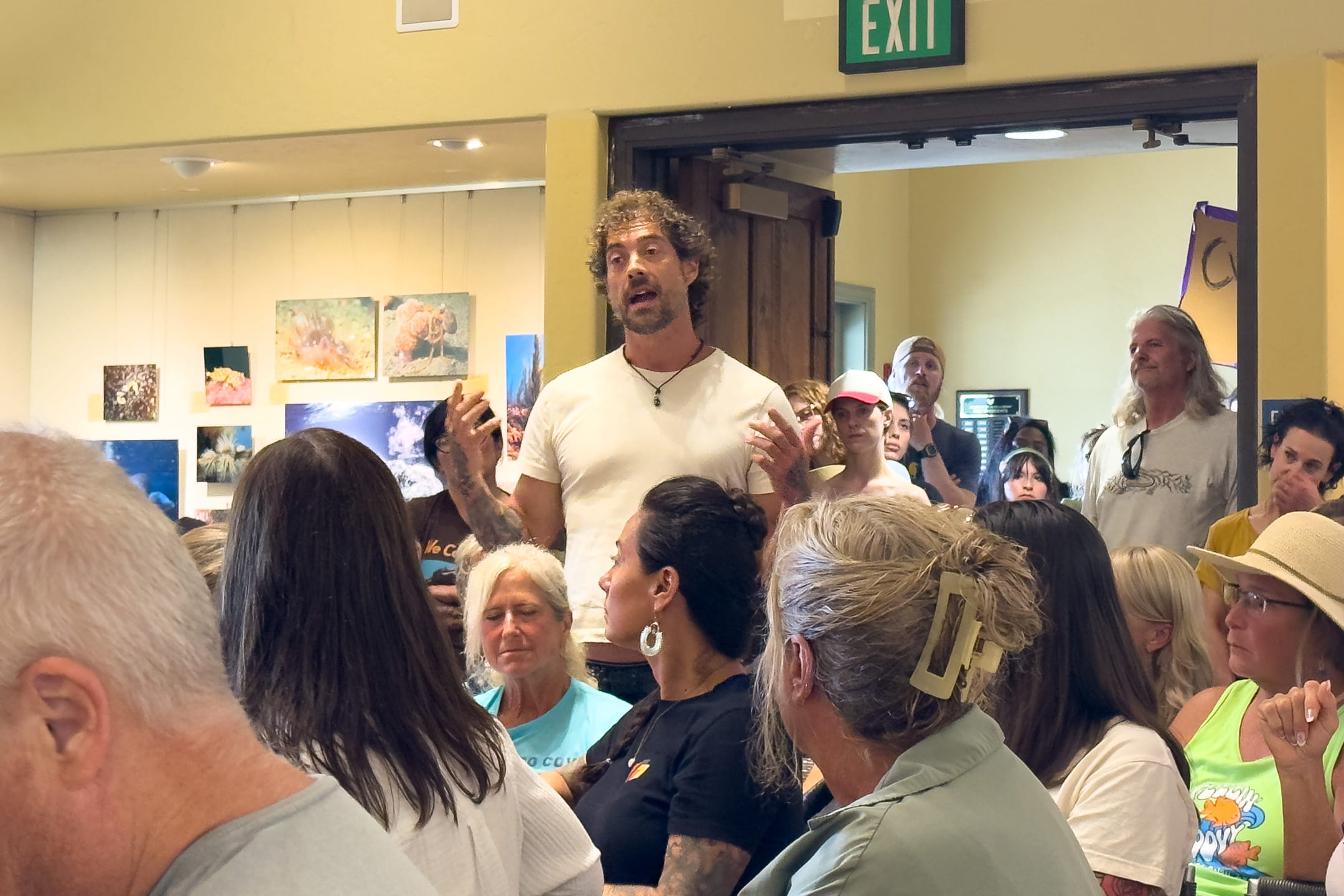
“I hear a lot of divisiveness right now,” said wildlife advocate and La Jolla Cove Swim Club member Eric Fletcher.
Describing the debate as between those who view sea lions as an invasion and those who believe in the supremacy of sea lions, Fletcher said the arguments leave out all those who access The Cove without harming any creature, for ocean recreation, science research and more.
Fletcher asked LJP&B to “take leadership” on the issue, highlighting a need for enforcement and education.
“We have to protect ocean access,” he said. “We are ambassadors, and I have done so much for those animals because I was able to go in the water and experience those animals.”
One avid Cove user proposed a swimming or snorkeling pass, issued similarly to a national parks hiking pass, for registered locals and tourists who want to access the ocean.
Others seemed to refuse compromise, however, with Dynes calling for a return to order and meeting protocol as some commenters grew vociferous and unruly.
“This is a civilized meeting,” she said. “I don’t want it to turn into a yelling match. I want you to show respect for one another because there are a lot of points of view on this, and there’s some legitimacy to everything.”
Is coexistence possible?
More than an hour into the discussion, LJP&B director Chas. Dye presented a letter to be sent to the city, outlining a resolution to maintain aquatic access while restricting access to La Jolla Cove during sea lion pupping season (June 1 through Sept 15).
The proposal would close the west staircase at The Cove but leave the east staircase (closest to the lifeguard tower) open, with signage indicating only access for swimming, diving and snorkeling would be allowed.
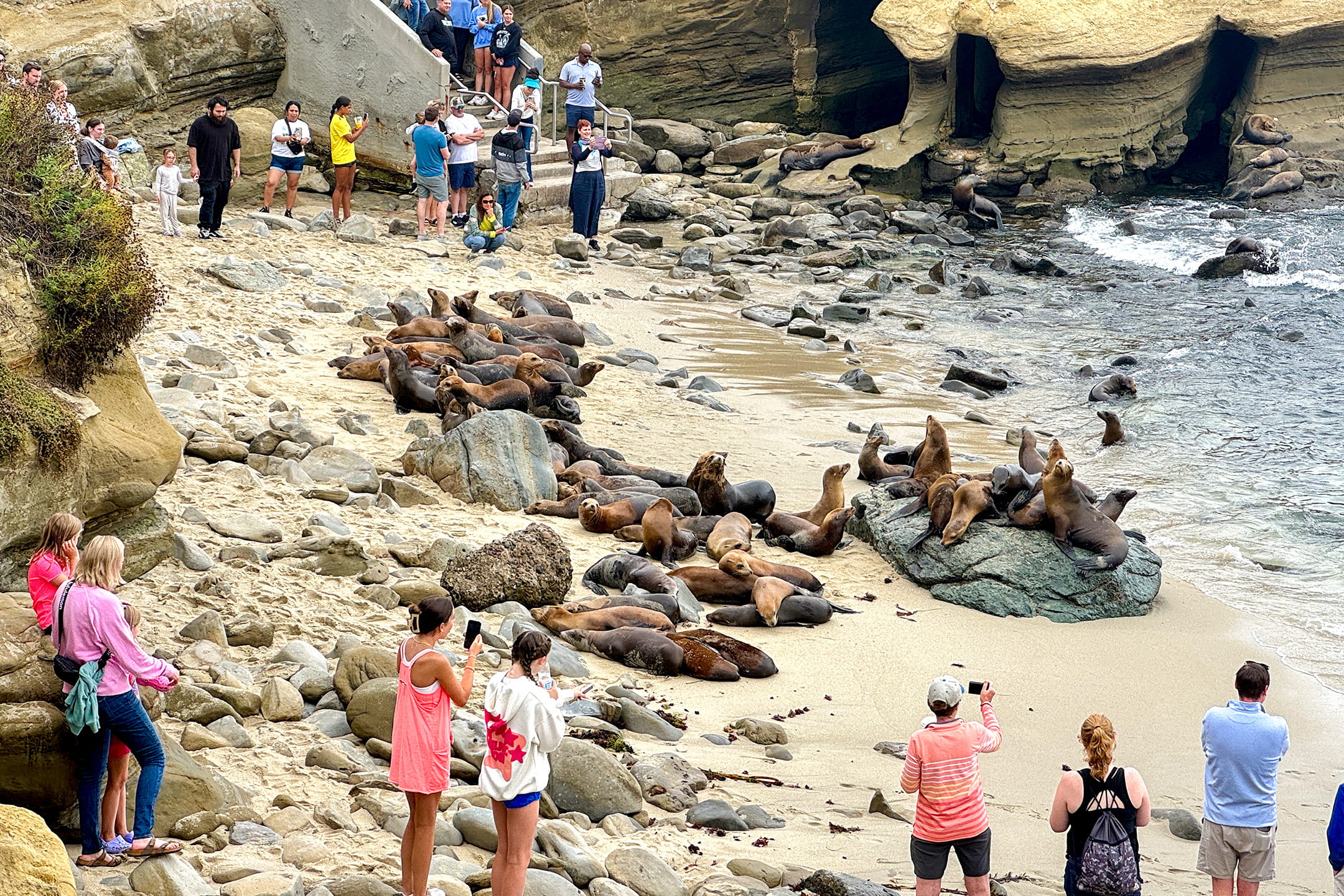
No animal viewing from the beach would be permitted.
The policy would copy that of nearby Boomer Beach, which was left open for direct water access only via a short, steep footpath to the sand when Point La Jolla was closed.
“This proposal preserves ocean access for those who wish to enjoy the incredible beauty of the Matlahuayl State Marine Reserve and La Jolla Underwater Park,” the letter reads. “This historic destination has attracted visitors from around the world since the 1800s. Please don’t allow a handful of bad actors to deprive responsible ocean lovers of this precious resource.”
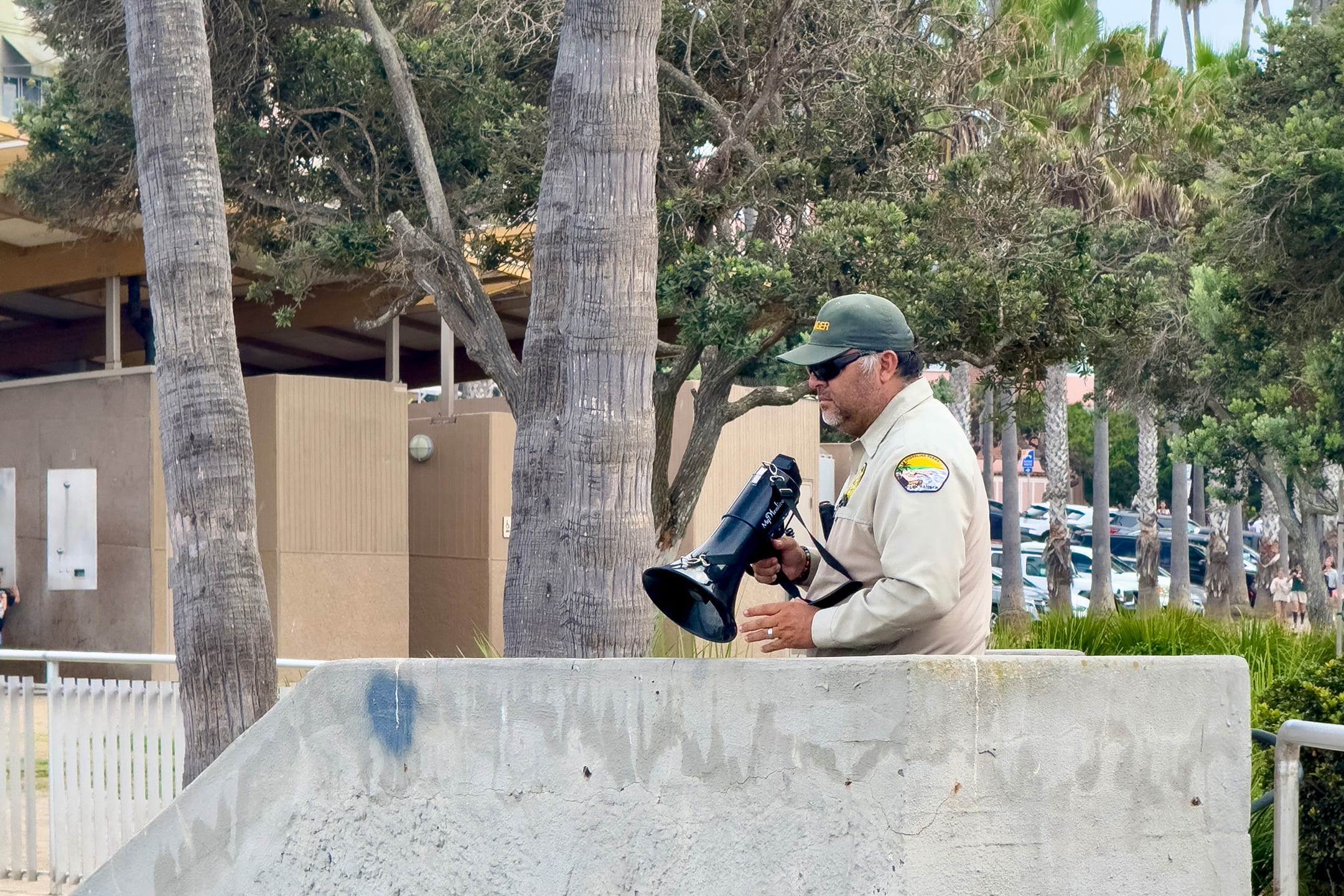
Members of the public raised questions about enforcement, citing the Rangers’ current inability to enforce violations of the Marine Mammal Protection Act, as it’s a federal law outside Ranger jurisdiction.
“If we have signage that says water persons only, the Rangers can actually do something because it’s within their jurisdiction,” LJP&B director Kurt Hoffman said.
“I like the general idea of the policy,” LJP&B Vice President Bob Evans said.
A motion to approve and forward the letter passed, with directors Marie Hunrichs and Ken Hunrichs opposed; Marie cited worries of increased sea lion numbers and Ken opposed as the restrictions are “the next step towards complete closure of The Cove.”