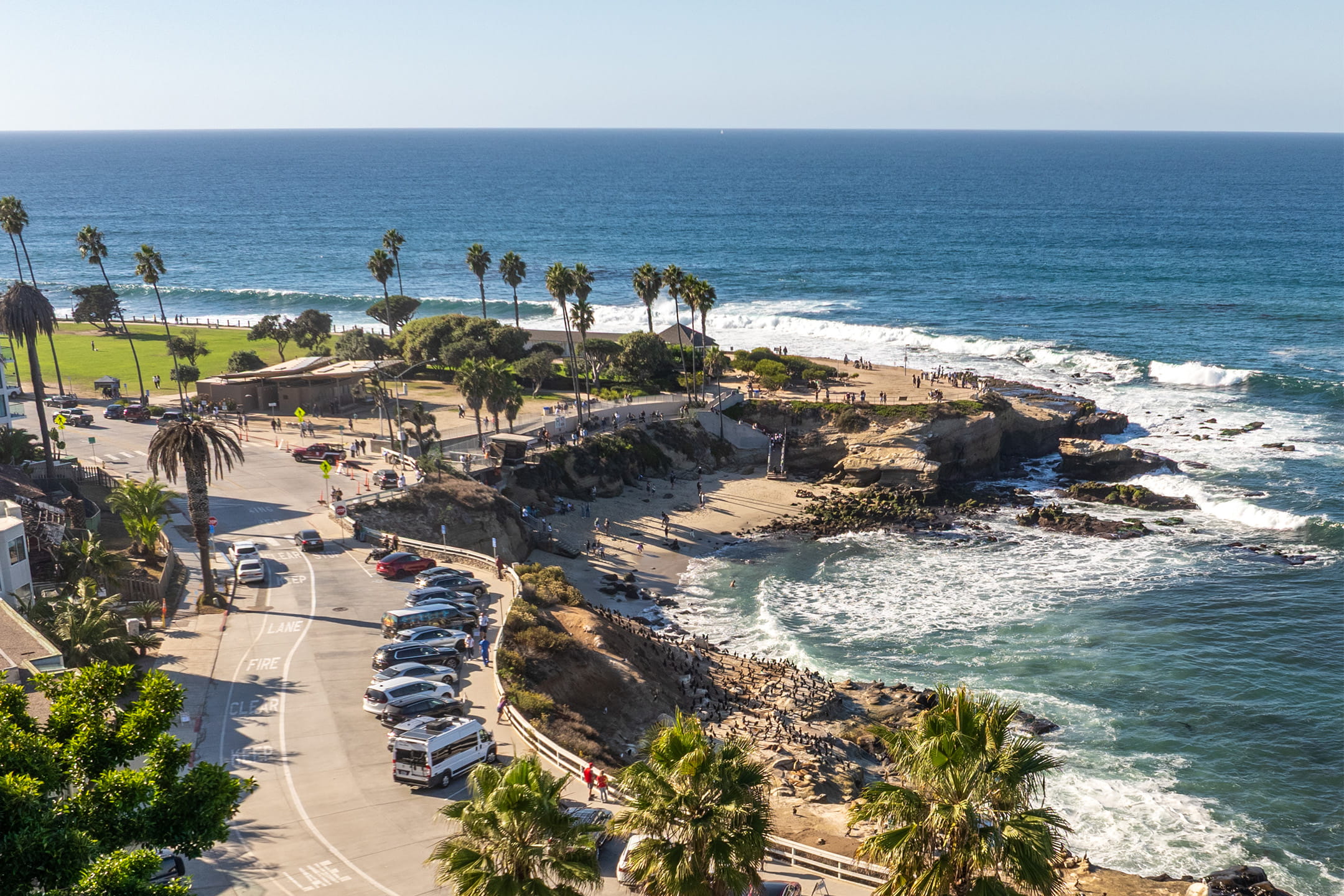
The city of San Diego in collaboration with Seal Society, reports improvements months after implementing new measures to minimize human interactions.
Six months after implementing new measures to minimize human interactions with sea lions at La Jolla Cove, city of San Diego officials and animal advocates report “positive results.”
In a joint presentation to the California Coastal Commission at its June 10 meeting, city and Sierra Club Seal Society representatives said increased Park Ranger presence, new signs, further education and outreach to tour groups have been effective in reducing tension between people and pinnipeds at The Cove, leading to ongoing debates that pit animal advocates against those who argue for unfettered beach access.

The city and Seal Society “are working together to balance three important objectives: marine wildlife protection, public safety and preservation of coastal access,” said Andy Field, director of San Diego’s Parks & Recreation Department.
“Our goal is simple,” he said. “Keep The Cove safe, accessible and enjoyable for both visitors and marine wildlife.”
The Cove and the adjacent Point La Jolla (which is closed year-round to humans) are amid this year’s sea lion pupping season, which runs annually from May 15 through Sept 15.
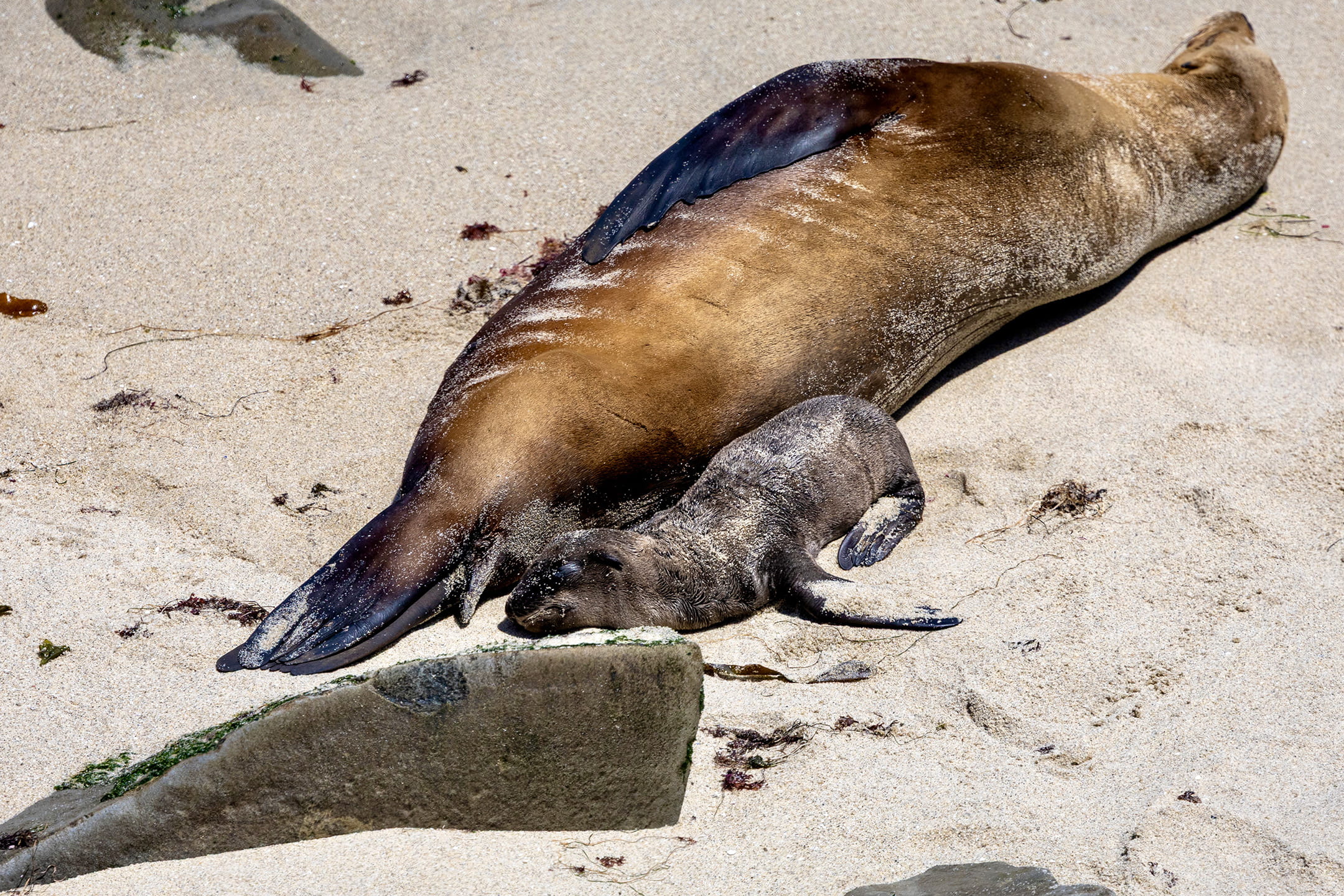
There are 24 new pups as of June 10, Seal Society Chair Robyn Davidoff said, but “unfortunately, five [of those] are in The Cove right now, which makes the situation a little bit more difficult to manage with the tourists.”
Tourists approaching a sea lion pup can cause the mother to abandon the pup, leading to the pup’s death.

As La Jolla Cove attracts more than three million visitors annually, is recognized around the world as one of Southern California’s premier coastal destinations and sits within a Marine Protected Area known for its biodiversity and abundant marine wildlife, the management plan’s success has implications beyond local tourism, Field said.
“Tourism of this size requires numerous crowd management tools,” Davidoff said.
“With our shoreline Park Ranger program now fully staffed, we’re seeing a greater opportunity for education enforcement and proactive visitor engagement,” Field said, adding there are eight Rangers providing coverage from 7 am to 7 pm daily, with increased staffing during the weekends and holidays when visitation is at its highest.

The Rangers facilitate the city’s management approach of public education with a “straightforward” message, Field said: “Keep your distance, recognize signs of animal distress, keep pets away from wildlife, leave pups alone and never feed or harass marine wildlife.”
The visible Ranger presence engages visitors before problems arise, Field said.
The new signage is aiding the effort, with new signs installed last month as educational and visual cues, creating a “buffer” between humans and vulnerable sea lion pups, he said.
Park Rangers are also responsible for the placement of cones on the beach, Field added. Factors such as pup location, visitor activity, crowd size, the position of the tide and changing environmental conditions all influence the location of the cones.
Rangers also work proactively with commercial tour bus operators to address traffic circulation, drop off locations, crowding concerns and needed wildlife education.

“The goal is to ensure visitors arrive informed and prepared before entering The Cove itself,” Field said.
The Seal Society’s volunteer group of about 30 docents help, Davidoff said, providing 40 hours a week of patrolling the area and educating the public at The Cove and Point La Jolla.
This season, Seal Society docents are authorized to move the cones under the Rangers’ direction.
The new measures and increased efforts mean “we’re seeing positive results, which is really exciting,” Field said.
The clear directions and other measures are helping, Davidoff said. “It is challenging … and will take some time and experience to execute, but we have made great strides.”
“All this is possible through an exceptional partnership that we’ve cultivated with the Sierra Club Seal Society here in San Diego,” Field said.
“The goal again is to maintain public access,” Davidoff said, adding the city and Sierra Club Seal Society are “exploring a more formal relationship, where some docents may go through the city’s volunteer program.”
The next steps may be to expand Ranger presence at night, when some animal advocacy groups said further harassment happens. Field said the department will explore reports of nighttime incidents.