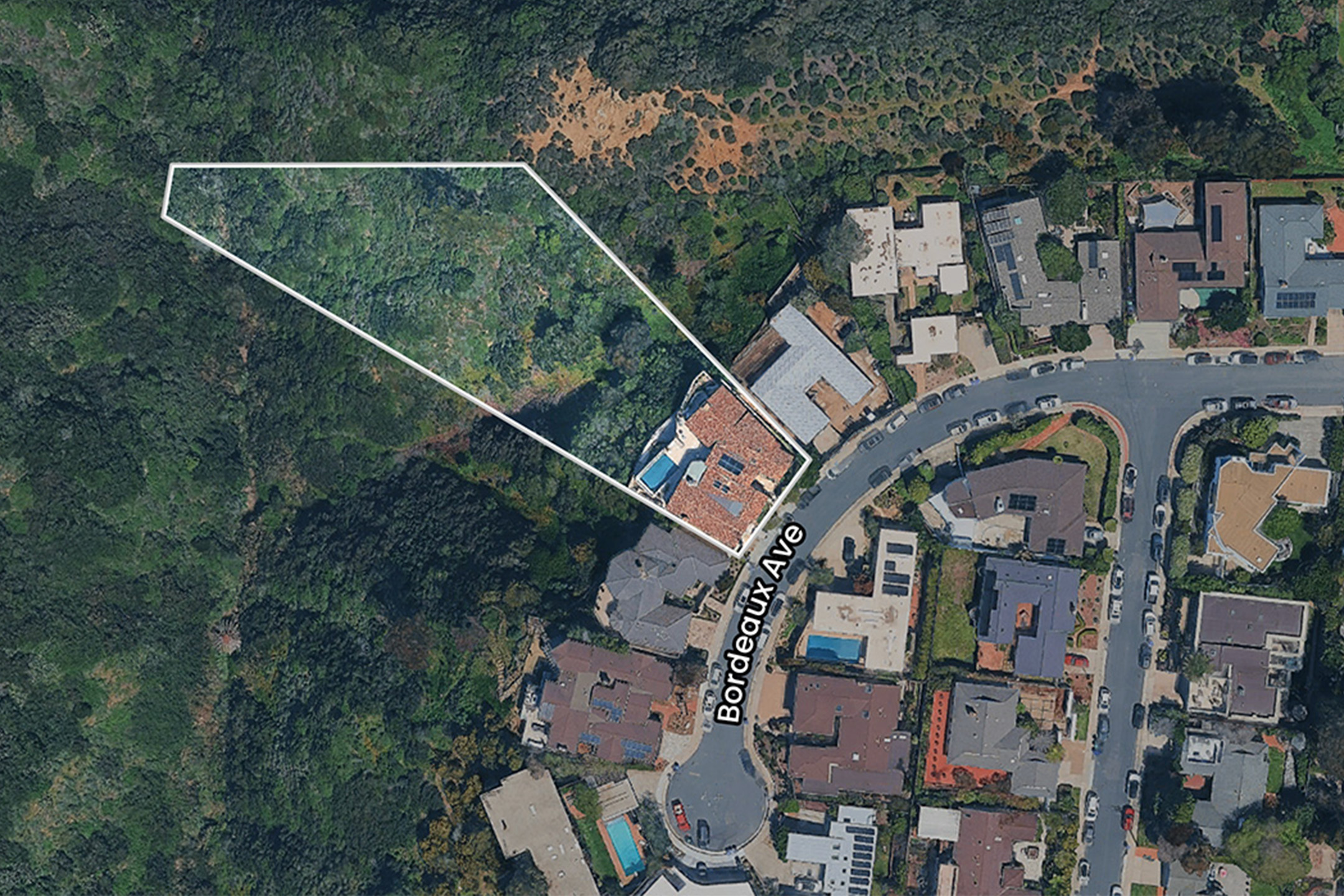
While citizens raise concerns about a current application for spraying the bluffs at La Jolla Cove, the California Coastal Commission’s interest is “piqued.”
Amid citizen protest against a permit application to spray the bluffs at La Jolla Cove to abate noxious animal odors, the California Coastal Commission is interested in learning more about past spraying events in the city of San Diego.
The June 8 notice indicates the odor abatement would take place over a 0.05-acre site along the bluffs north of Coast Boulevard from The Cove to Goldfish Point at Coast Walk Trail.
The product to be used, a city spokesperson said in June, is Bioactive Odor Counteractant and Cleaner (BIOCAAC), manufactured by ARK Environmental Solutions, Inc in Coronado.
BIOCAAC contains bacteria activated by water to accelerate the breakdown of animal waste, reducing the odors associated with high ammonia levels and harmful bacteria from sea lion and seabird excrement.
BIOCAAC is “not expected to be dangerous to the environment,” according to an April 2025 Executive Officer’s Report to the California Regional Water Quality Control Board, San Diego Region.
But avid swimmer and animal activist Eric Fletcher has raised concerns about the spraying, reiterating his comments at La Jolla groups including the La Jolla Community Planning Association and La Jolla Parks & Beaches, San Diego City Council meetings and during recent California Coastal Commission meetings.

Fletcher said during his various comments that the spraying would run off into the ocean at The Cove, a Marine Protected Area, irritating wildlife and the humans who swim there.
Fletcher has also stated BIOCAAC runoff may endanger the kelp forests that have experienced die-offs in La Jolla.
Fletcher also contends that from 2017 to 2023, the city of San Diego sprayed the bluffs in nearly 120 instances without a waste discharge requirement waiver from the San Diego Regional Water Quality Control Board, a coastal development permit from the Coastal Commission or a letter of authorization from NOAA Fisheries for any of the spray dates.
San Diego representatives did not confirm nor deny the number of sprayings listed above in response to a lajolla.ca inquiry, though spokesperson Caleb Olsen said the city “voluntarily paused BIOCAAC applications in 2023 after the California Regional Water Quality Control Board requested additional information regarding the proposed use.”
That led to the board determining the proposed activity “does not require regulation,” Olsen said.
The 2017-2023 sprayings didn’t occur within the Coastal Commission’s permit jurisdiction, Coastal Commission enforcement counsel Andrew Willis said, and so would not have required approval at the time.
However, if the city issues a permit for the spraying, that decision can be appealed to the Coastal Commission.
Further, the prior years’ “spraying will be reviewed through the [new] coastal development permit process,” Willis said, as “the information that’s been brought up regarding the health of the kelp … is compelling information that has certainly piqued our interest.”
The Coastal Commission needs “to know more about the spraying before we determine how we would look at the past spraying,” he said.
Power washing
Fletcher also issued a complaint regarding Urban Corps, contracted by Enhance La Jolla, a nonprofit that oversees the Maintenance Assessment District in The Village; Fletcher said he saw Urban Corps performing its usual power washing of the sidewalks along the same bluff-adjacent section of Coast Boulevard on June 24 but without the required diversion of the water from the bluffs.
The runoff from the power washing, instead of all going into a vacuum set up at the storm drain per standard protocol, “was going straight into the storm drain and out into The Cove,” Fletcher said at the July 16 Enhance La Jolla meeting. “There was a very clear foam slick” heading for the ocean.
“The city found that we were out of compliance,” Yolanda Maeder of Urban Corps said, adding the company submitted a corrective action report to the city, including standard operating procedures and training information, along with remitting a $750 fine.
“We made a mistake this time,” Maeder said. “We are committed to conserving the environment.”