The mapping of DNA and epigenetics will be freely accessible to accelerate further discovery in genetics, disease biology and AI-powered drug development.
The first body-wide, single-cell atlas mapping DNA and epigenetics together is now available from Salk Institute for Biological Studies scientists and their collaborators, who hope the landmark work will serve as a reference for discovery in genetics, disease biology and AI-powered drug development.

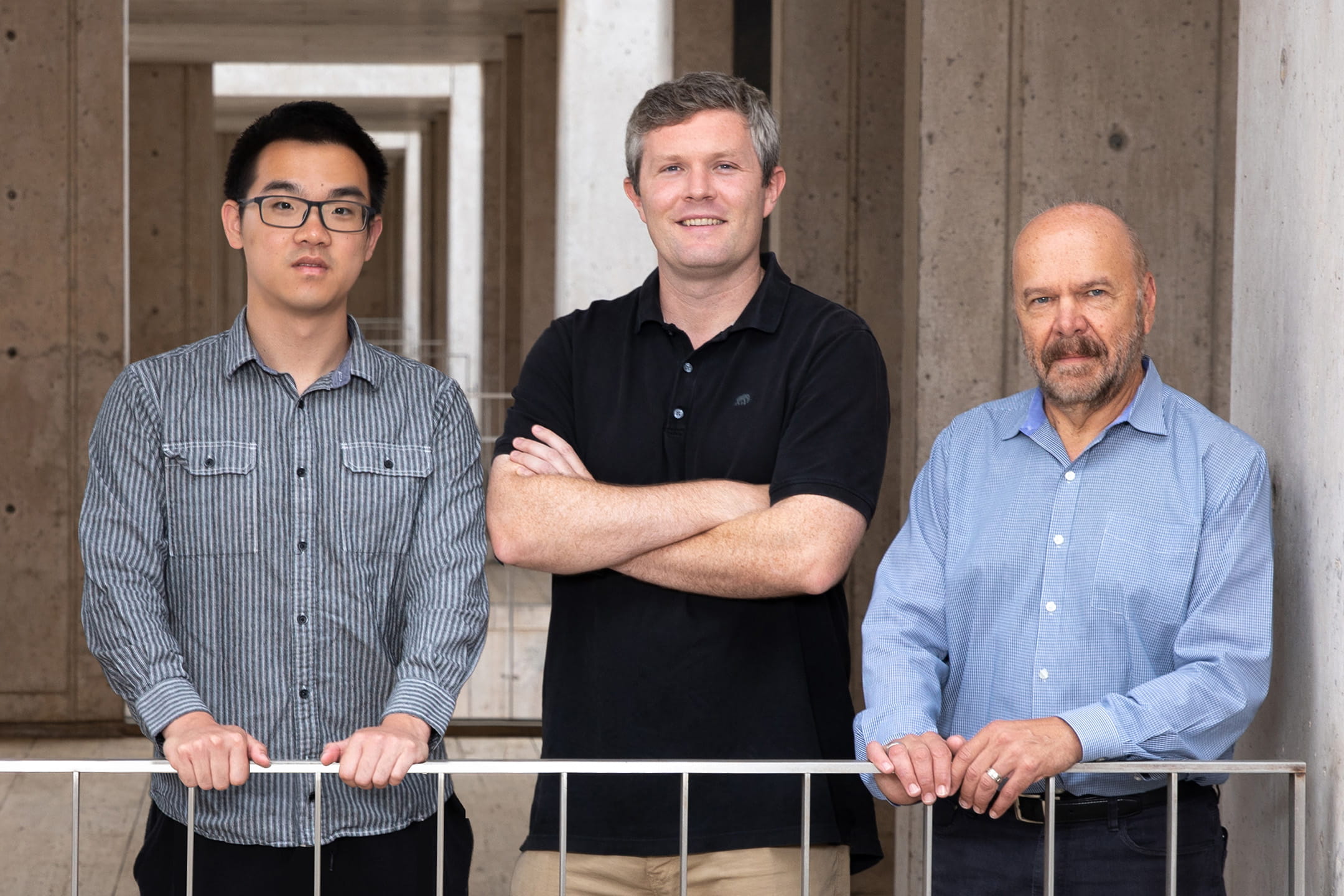
Image courtesy of Salk Institute
DNA runs through all human cells; epigenetics governs genetic expression and how cells use genetic code for distinctive jobs.
In a study published in Science on July 23, the DNA atlas unveiled by researchers at the Salk Institute and Arc Institute and their collaborators provides a clear look at two major epigenetic systems: three-dimensional genome folding and DNA methylation (precise patterns of methyl chemical groups tacked onto DNA), measured simultaneously in the same cells.
Because the two epigenetic layers were measured together, the researchers found each layer can carry different information about a cell’s identity.
“There has been an appreciation for trying to understand, at the individual cell level, how the genome is organized, so that we can get a better idea of how genetic variants impact disease,” co-corresponding author Joseph Ecker, PhD, Salk professor and International Council Chair in Genetics, said in a press release.
“Some cell types may be more vulnerable than others to genetic variants, because the genome is organized differently in different cell types — and whether a variant matters can depend on that organization,” Ecker said.
The DNA atlas spans 86,689 cells from 16 human tissues and reveals 35 major cell types and 206 subtypes, homing in on cell types where epigenetic features overlap with genetic risk for conditions including atrial fibrillation, bipolar disorder, schizophrenia and blood-glucose regulation, helping explain how non-coding DNA variants may contribute to disease.
Most disease-associated genetic variants fall in the non-coding regions of the genome, making their contributions to disease difficult to ascertain.
With the new DNA atlas, the team identified more than 1.36 million differentially methylated regions and 283,606 differential chromatin loops across the human body’s cell types, using tissues from the heart, brain, lungs, stomach, skin and more and overlaying genetic variants to discover specific pairings.
“By adding in the 3D genome aspect, we can potentially [connect] non-coding variations with the genes they affect in specific cells and tissues,” co-corresponding author Jesse Dixon, MD, PhD, associate professor and Helen McLoraine Developmental Chair at Salk, said.
The work, part of the National Institutes of Health’s 4D Nucleome (NIH 4DN) program, is freely available online, allowing anyone to reference the work for genetic research or to train AI models.
The team built the interactive web browser to let researchers visualize DNA methylation and 3D chromatin contacts across every tissue, cell type and subtype in the study.