The largest animals on Earth have arrived. Our 2026 blue whale spotting manual covers peak summer viewing times, boat charters and marine biology facts.
May through September, the largest animals on Earth, blue whales, make their way through San Diego, offering a rare glimpse of majesty as they glide and breach through the water. Though these massive creatures can prove to be elusive, those in San Diego through the summer have premium opportunities for blue whale watching in San Diego, and we’ve got the best tips.
Whether you’re a first-time visitor or a returning local, blue whale watching in San Diego ranks among the most remarkable wildlife experiences on the West Coast. From peak viewing months to the best boat charters on the water, here’s everything you need to plan your trip.
Meet the leviathan: Blue whale facts
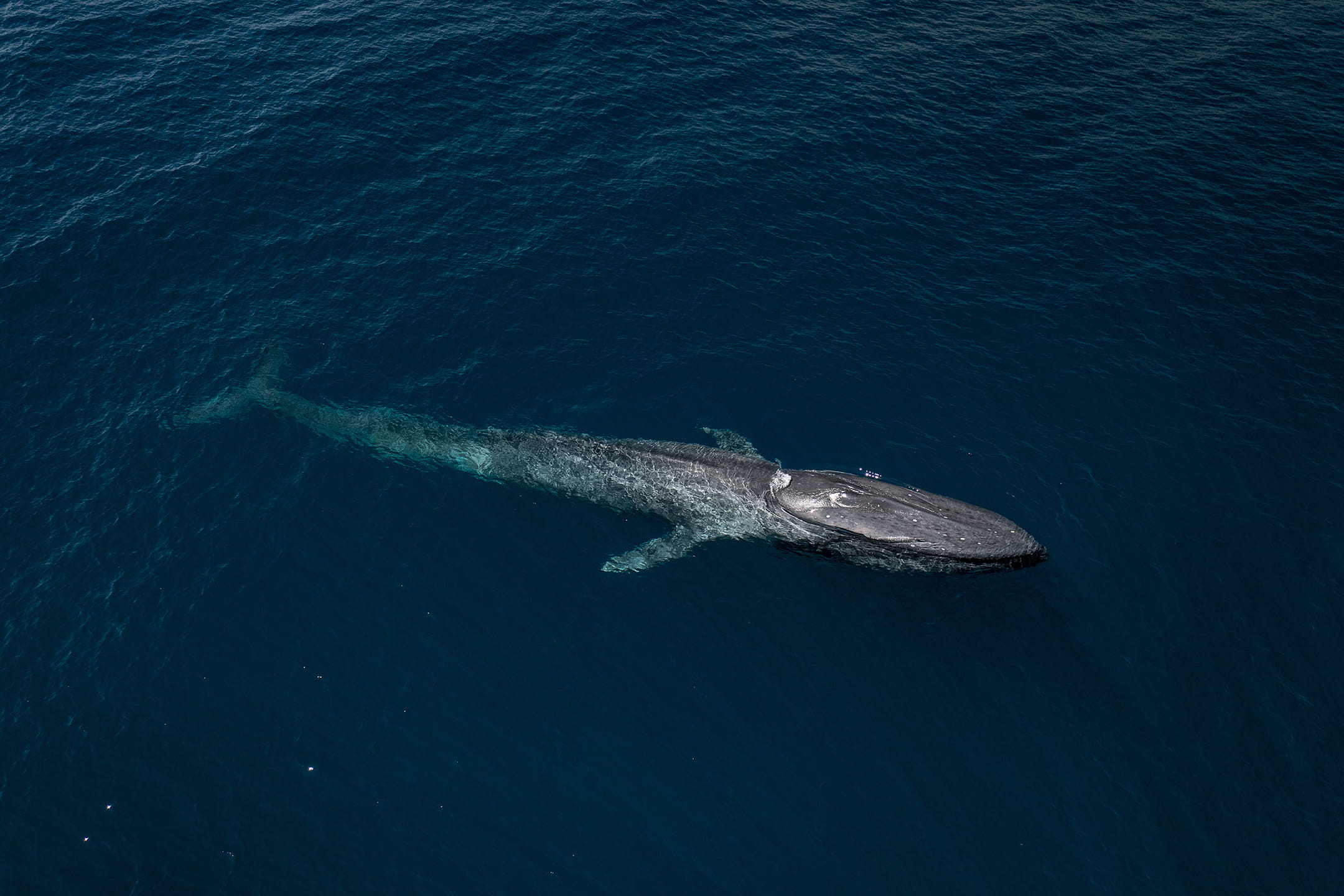
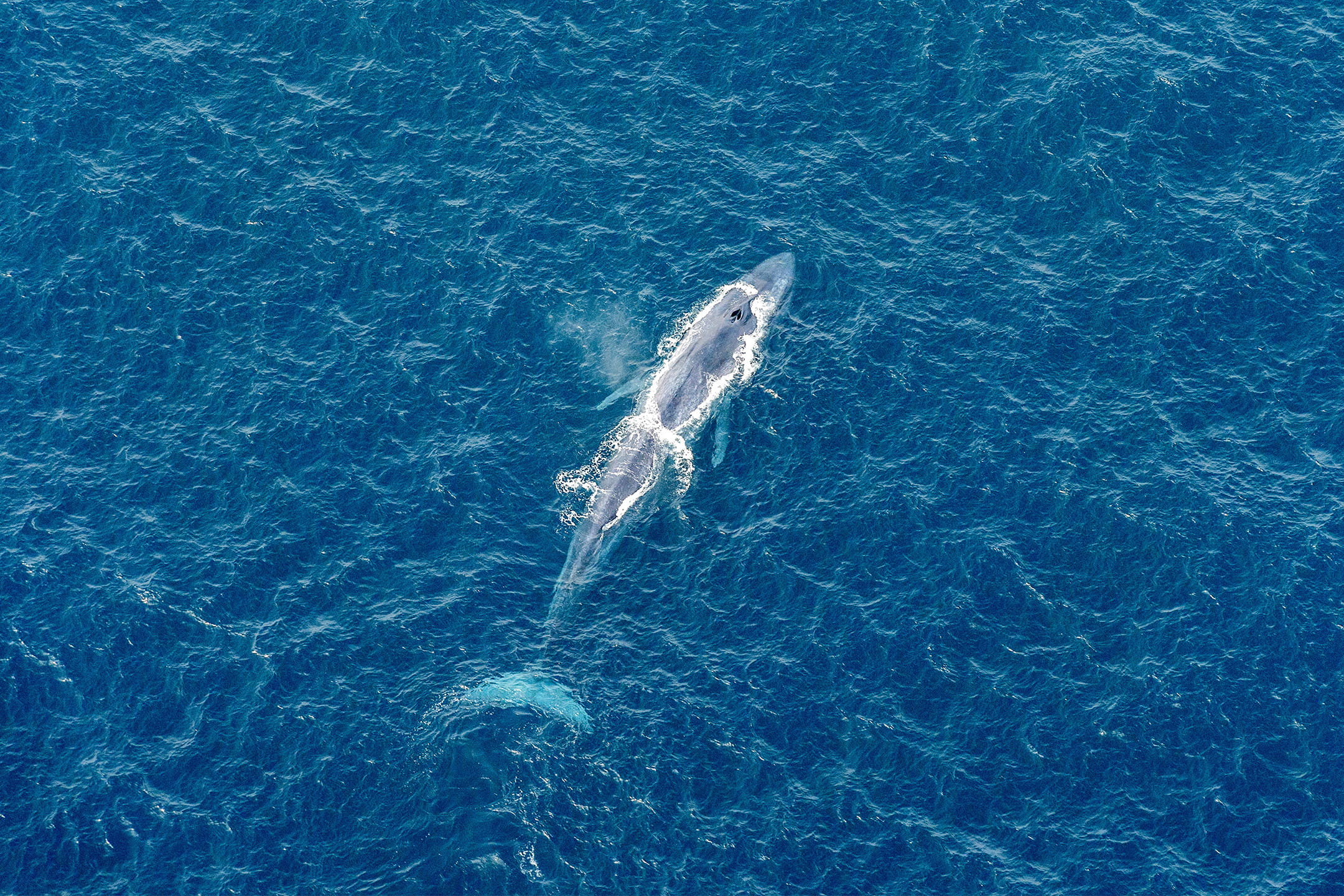
The blue whale exudes a surprising amount of grace given its stature: At lengths up to 100 feet long, the blue whale typically swims about five miles per hour, though short bursts more than 20 miles an hour are possible.
The blue whale is also slender, its mottled bluish-gray color appearing light blue under the waves and variations in their mottling helping with distinguishing each whale.
Blue whales are in all oceans but the Arctic Ocean and female blue whales are larger than the males. All blue whales filter huge volumes of ocean water through their baleen plates – large, comb-like structures along their jaws that act like sieves for their food: the crustacean called krill.
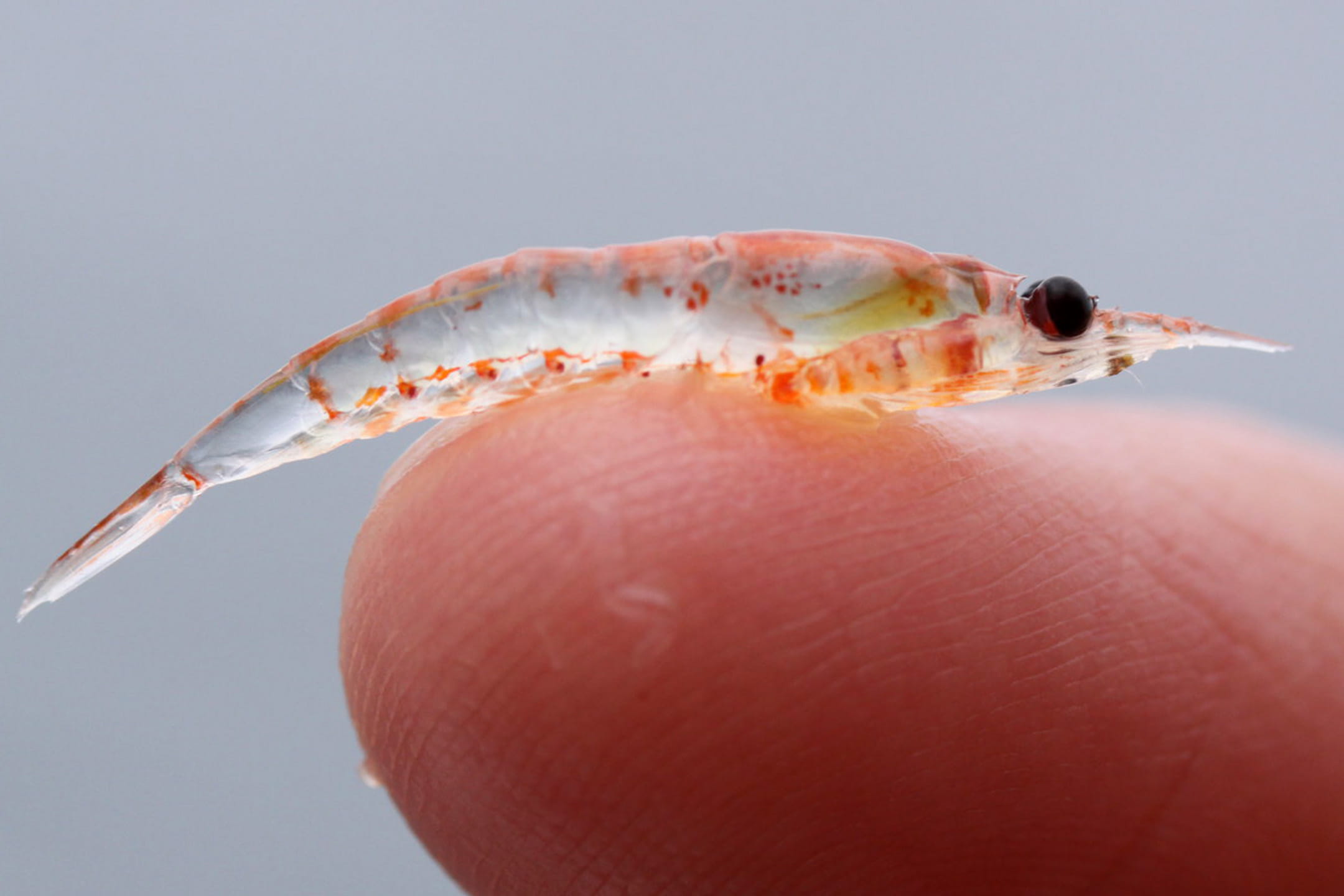
Many blue whales will consume up to six tons of krill per day.
In between numerous feeding sessions, the blue whale, which lives 80 to 90 years, can breach the water’s surface, showing off massive, vertical water spouts.
Blue whales in the northern Pacific Ocean migrate between summer feeding grounds and winter breeding grounds, feeding during summer along the US West Coast to the Gulf of Alaska.
Blue whales with young calves tend to use the waters of the Gulf of California in the winter as their nursery.
The whales are not only the largest but are also among the loudest creatures on the planet, vocalizing in pulses, groans and moans that can be heard by other whales up to a thousand miles away.
Why blue whales flock to San Diego in the summer
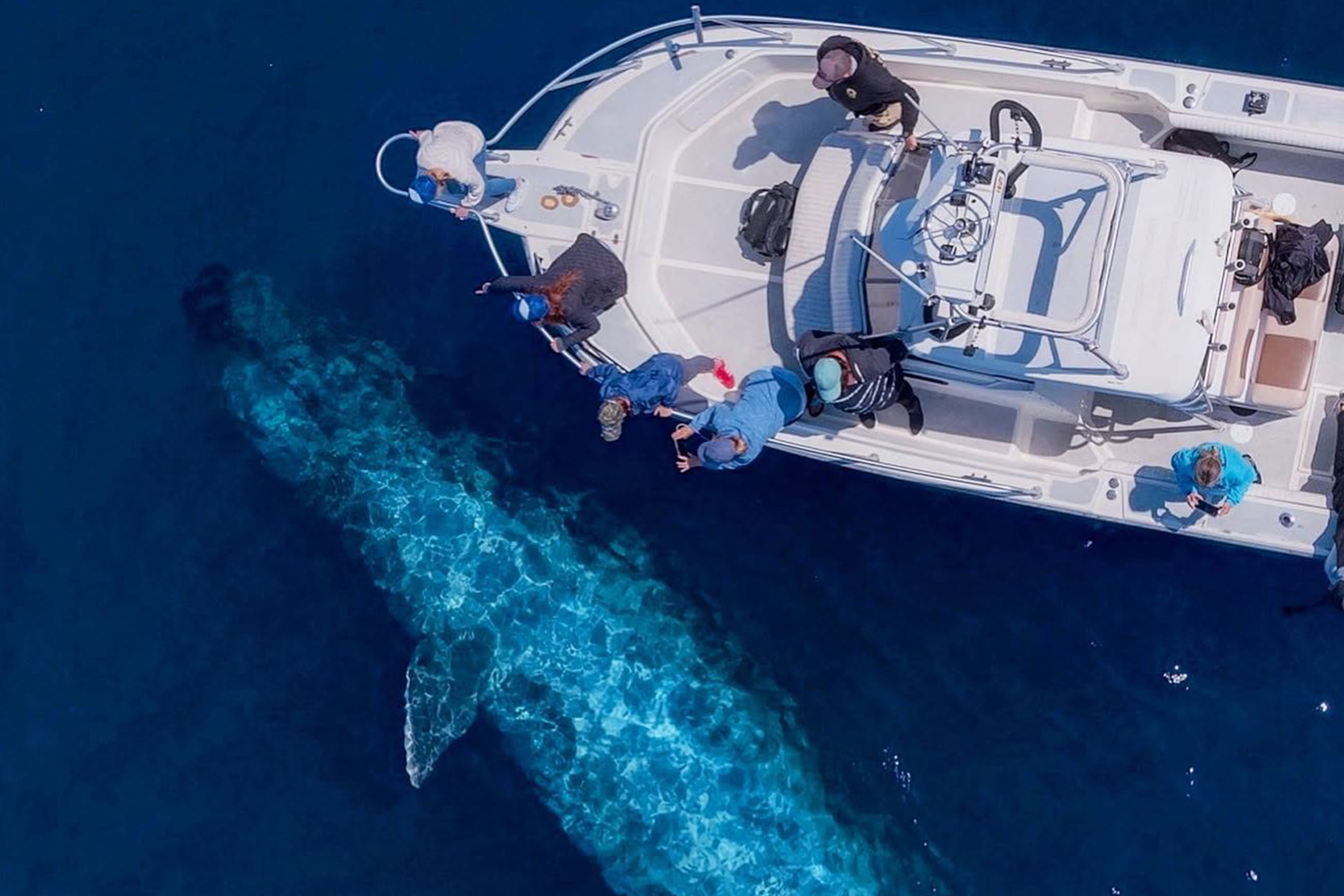
Image via Gone Whale Watching/Facebook
Local whale watching experts say San Diego is the best place in the world for blue whale watching, as krill are plentiful here. Peak blue whale watching season is May through September, with July being the best month.
The krill bloom and deep water canyons
La Jolla is home to two submarine canyons in the Underwater Park, the La Jolla Canyon and Scripps Canyon, the depths of which are perfect for currents that bring nutrient-rich, cold water to the surface.
This upwelling is responsible not only for large waves that beckon surfers but also for creating the ideal home for biodiversity, including a dense krill concentration that blooms in late spring.
These krill swarms are a major attraction for the blue whale.
How to see them: The necessity of boat charters
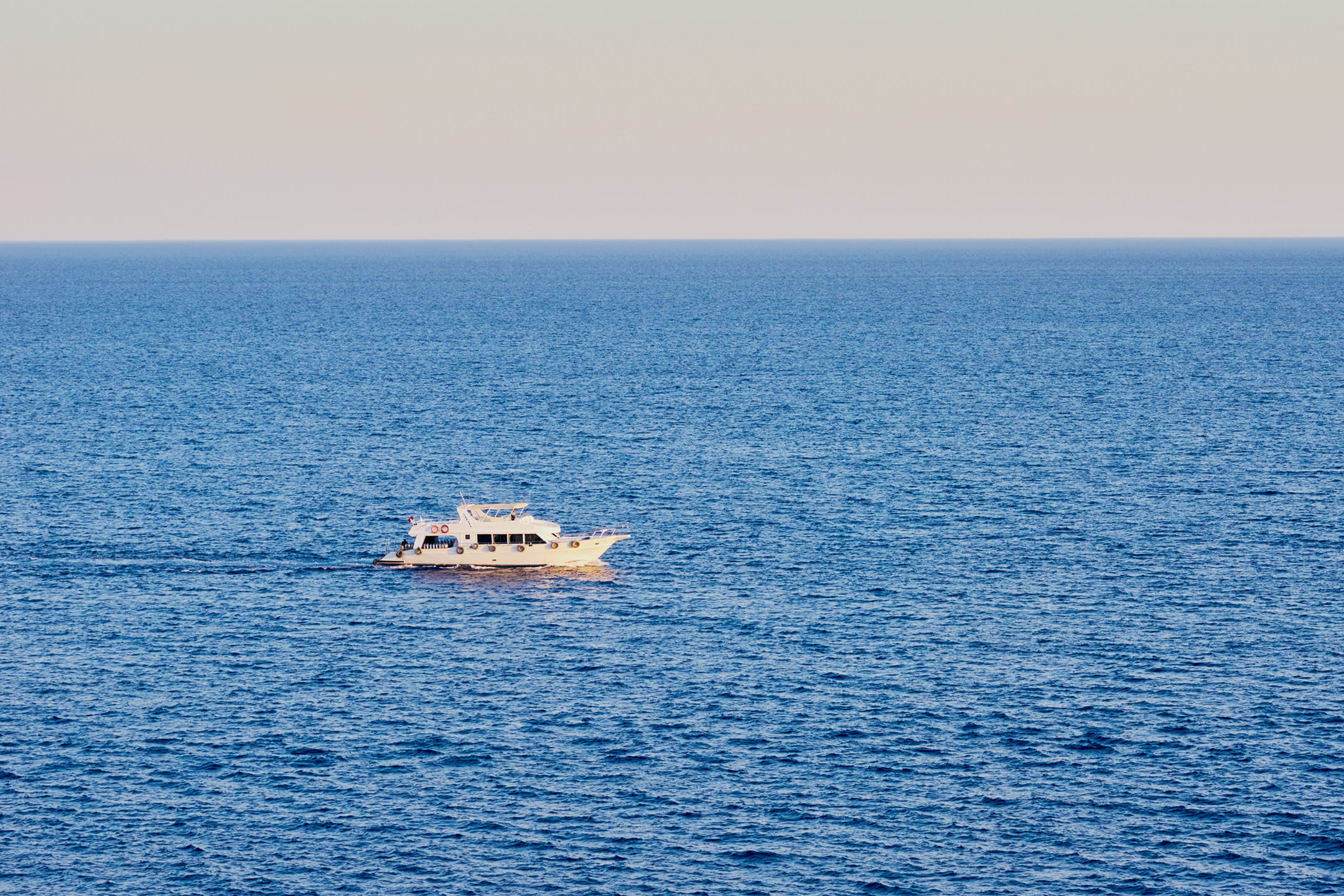
Unlike gray whales that hug the coastline, blue whales feed further away from humans’ sightline. There’s no local secret to hacking blue whale watching from the San Diego shore: you’re going to have to leave dry land.
A typical whale watching tour in San Diego, means embarking on a multi-hour journey with expert guidance. You can expect most of these to include knowledgeable crew members to point out creatures and other points of interest, feature boats with indoor and outdoor seating along with snacks for purchase and a whale-spotting guarantee.
Book your excursion with one of these companies:
- Gone Whale Watching: Two-plus hour tours from Mission Bay; also offers extended (up to eight hours) blue whale watching tours in summer.
- Legacy Whale Watch: Three-hour tours from Mission Bay; also offers bird watching and sunset tours.
- San Diego Whale Watch: Three-hour tours from Mission Bay; also offers sunset and dolphin tours.
- Wild Pacific Whale Watch: Three-plus-hour tours from near Shelter Island; features anti-rolling boat stabilizers.
What else you will see on the water
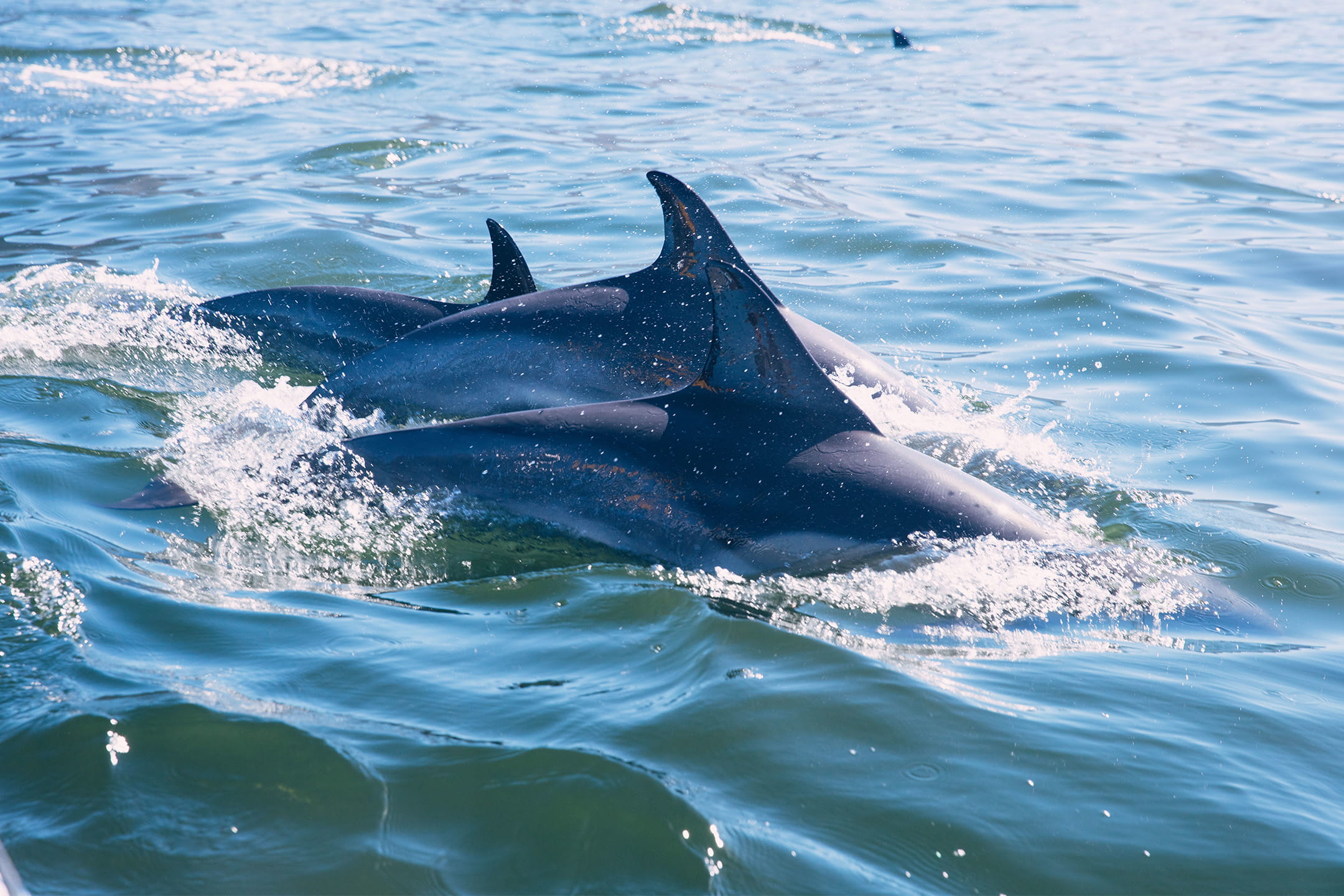
Your San Diego whale watching expedition will also come with bonus wildlife sightings – it’s impossible not to spot other examples of local marine life while on the water.
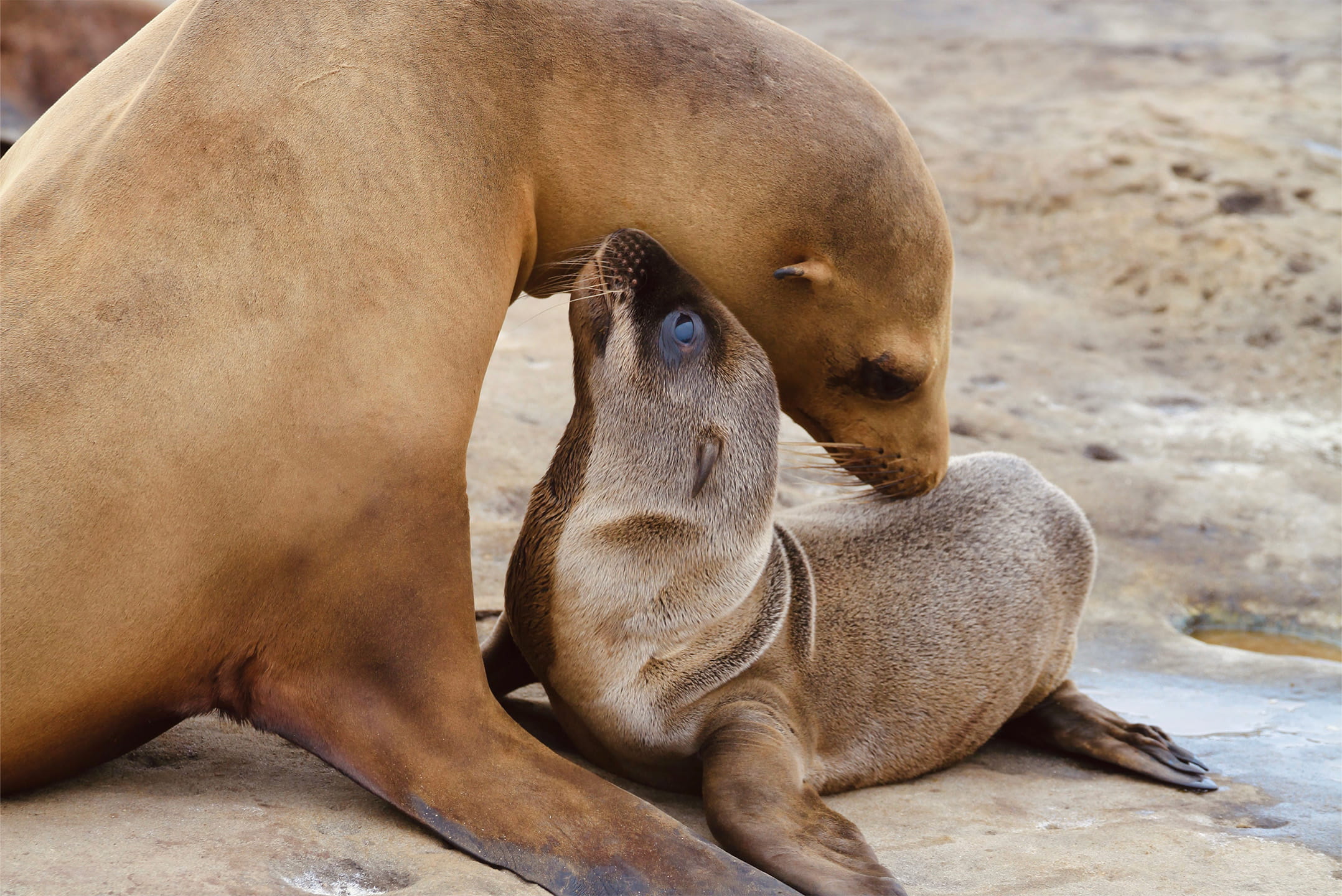
You can be sure to spot gulls, pelicans, Garibaldi fish, sea lions, and perhaps dolphins, other whales and sea turtles while at sea.
Blue whale FAQ
- What should I bring to a whale watching tour?
- Layers for sun and wind; sunscreen and hat; anti-nausea meds if needed; camera or binoculars.
- Where can I learn more about local whales and marine life?
- La Jolla’s Birch Aquarium has all the information you need in a riveting showcase of our ocean world.
- Book a kayak tour through companies like Everyday California or La Jolla Sea Cave Kayaks for an even closer look.
- When can blue whales be seen in San Diego?
- Peak blue whale watching season is May through September, with July being the best month.
Plan your blue whale watching trip in San Diego this summer
For blue whale watching in San Diego, bring with you an adventurous spirit and a readiness to witness some of Earth’s most majestic creatures.