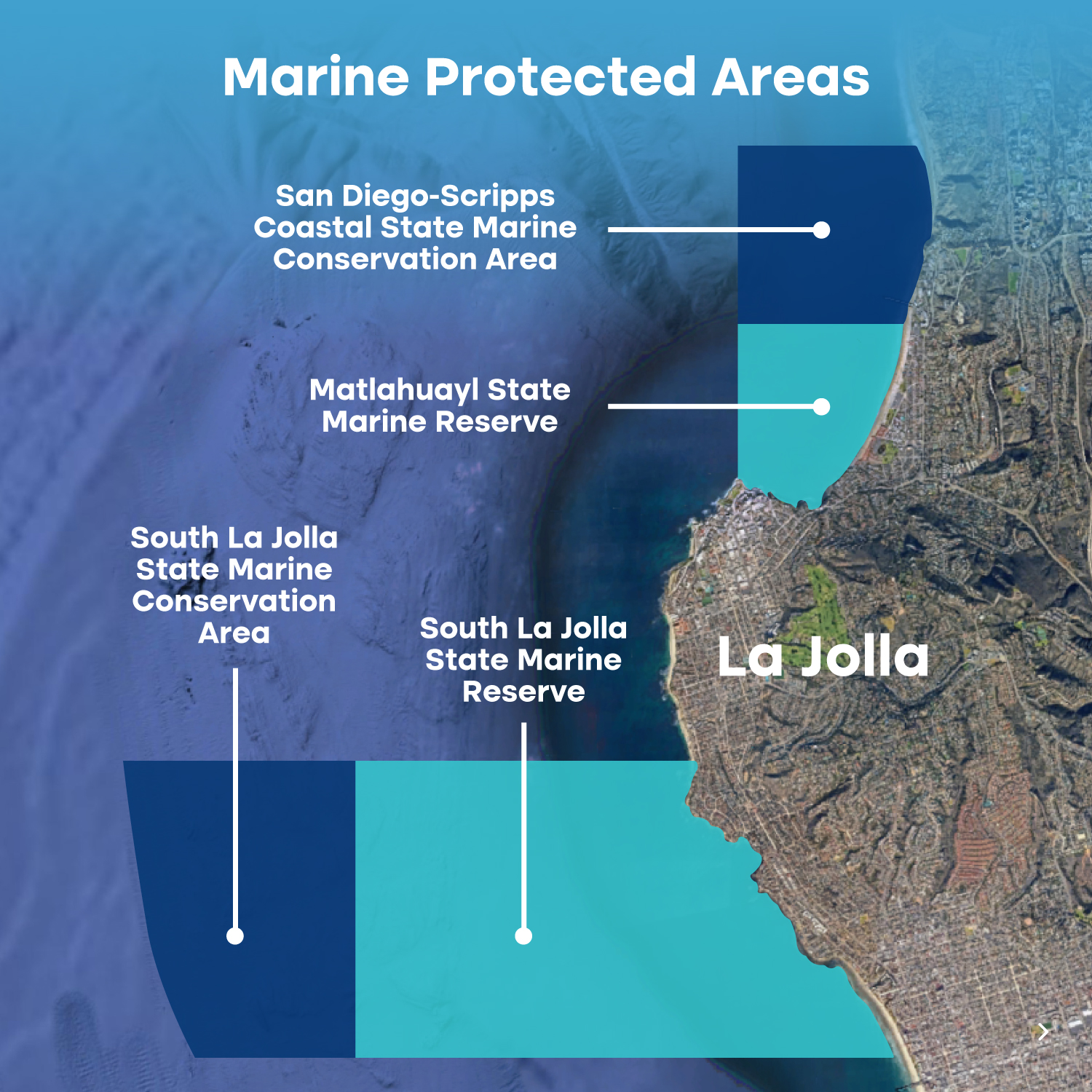
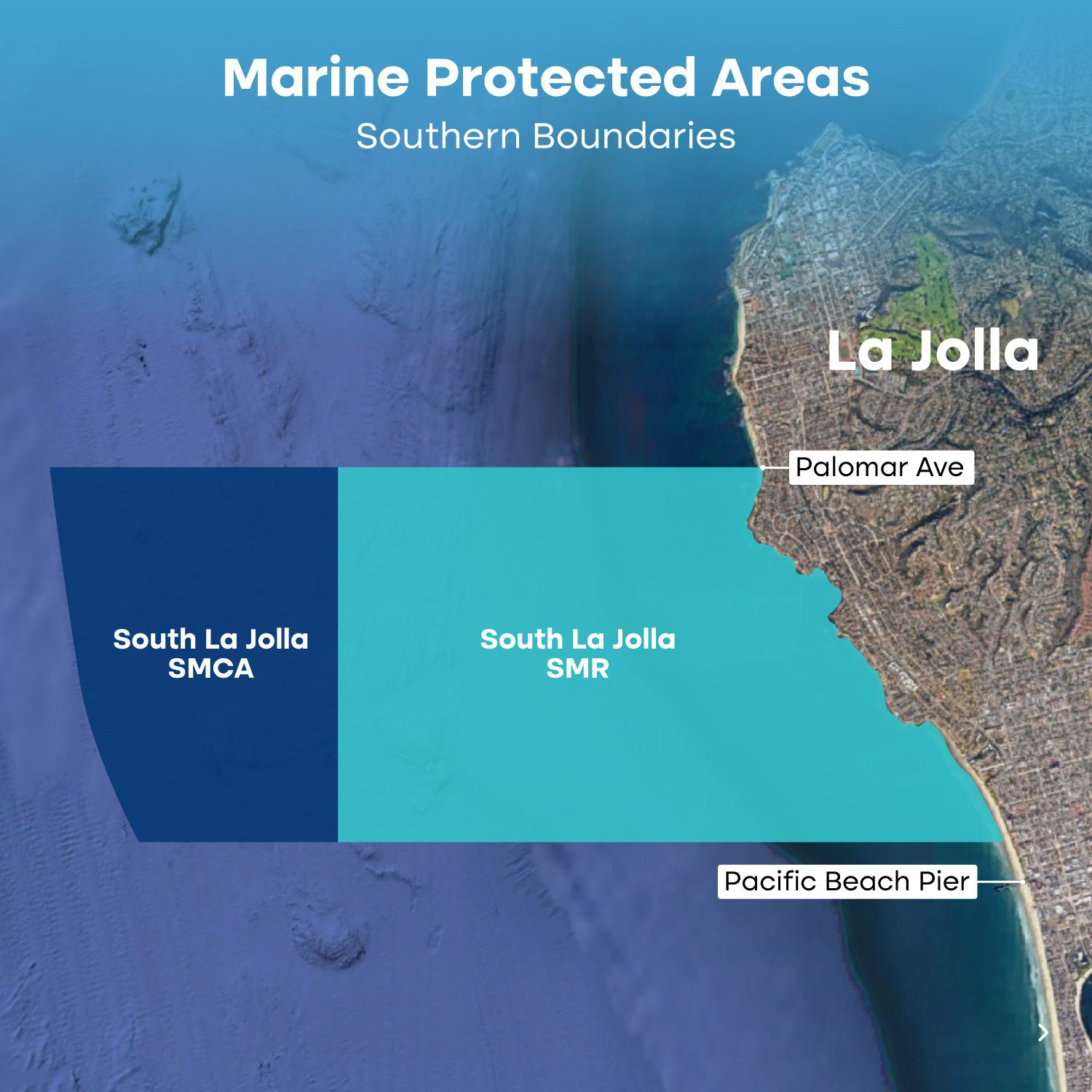
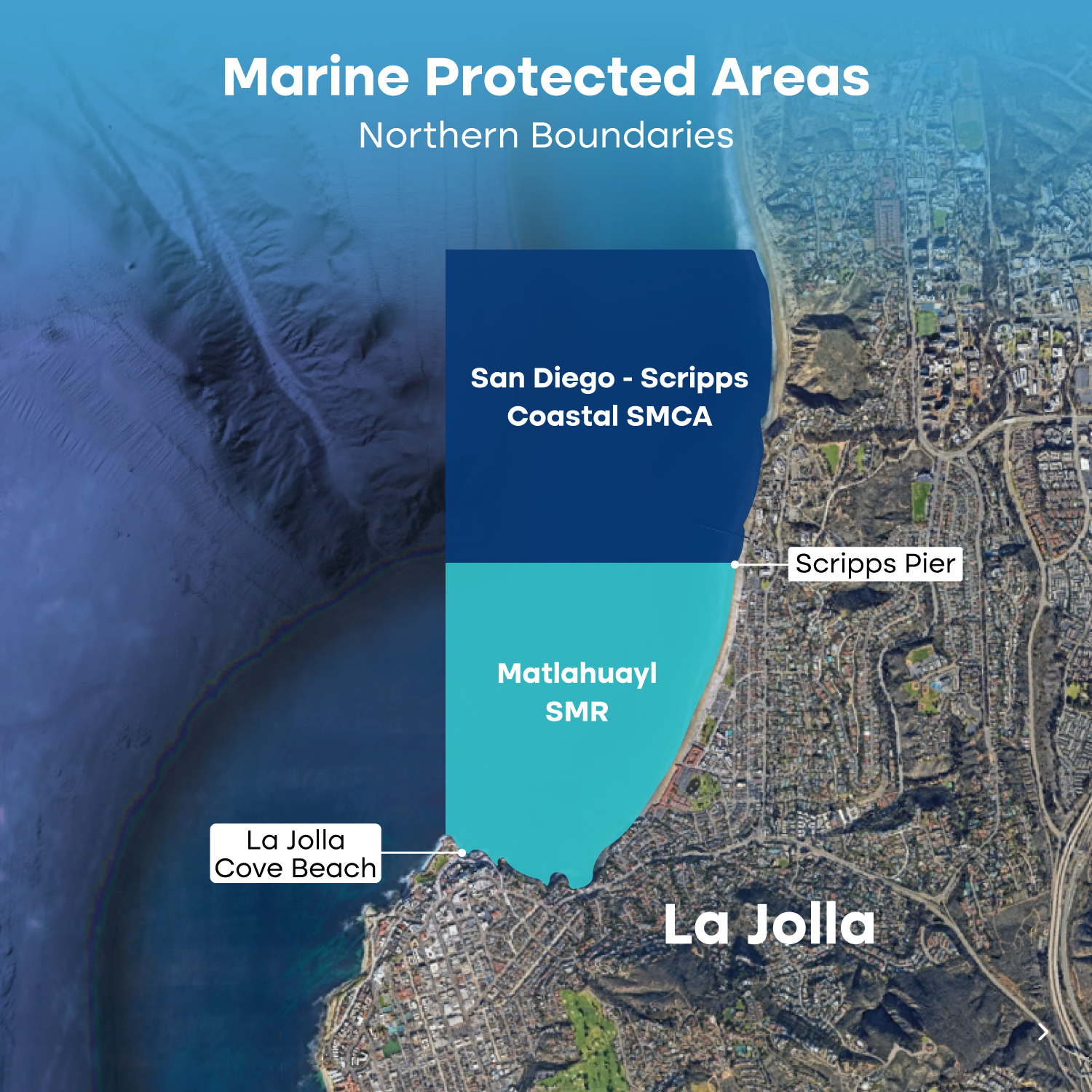
There are six types of MPAs in California; two of these types exist in four different portions along La Jolla’s coastline: From north to south, the San Diego-Scripps Coastal State Marine Conservation Area; the Matlahuayl State Marine Reserve; the South La Jolla SMR; and the South La Jolla SMCA.
In the SMRs, any “take,” which includes catch-and-release and removal of any marine resource, whether recreational or commercial, is prohibited. Also illegal: damage or injury to marine resources (living, geological or cultural).
Within the SMCAs, only recreational take of coastal pelagic species for bait, except market squid, is allowed by hook-and-line.
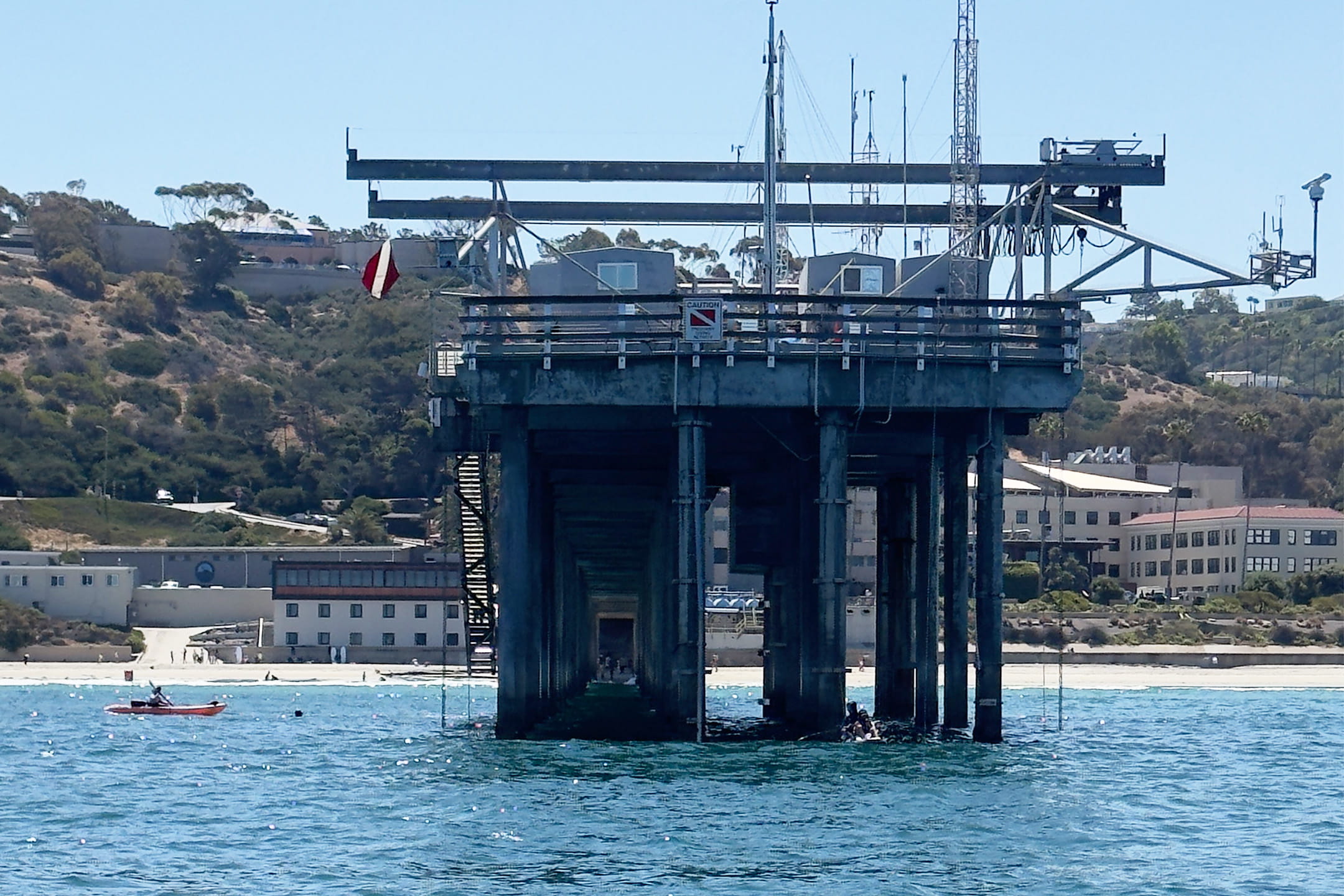
The MPA Watch, coordinated statewide by Wildcoast, relies on volunteer-collected data to manage, enforce and study the MPAs and is California’s “only way [to] know what human activity is happening on the beach,” said Katie O’Donnell, statewide MPA Watch coordinator and Wildcoast senior ocean conservation manager.
The community science program employs standardized protocol that has volunteers from San Diego to Smith River near the Oregon border walking the beaches and documenting human activity in and around the MPAs.
With “those eyes on the coast, we see throughout the state,” O’Donnell said.
This multiyear effort was documented in a June 25 paper showing “robust, non-consumptive” human activities comprise the primary use of the MPAs, conclusions that “could not be drawn without the hard work of more than a decade of individuals contributing data” of the MPA Watch.
“It’s super important,” O’Donnell said, as the myriad beach walks to tally human activity are the crux of the watch program, used to inform management decisions, allocate resources and respond to emergencies like oil spills.
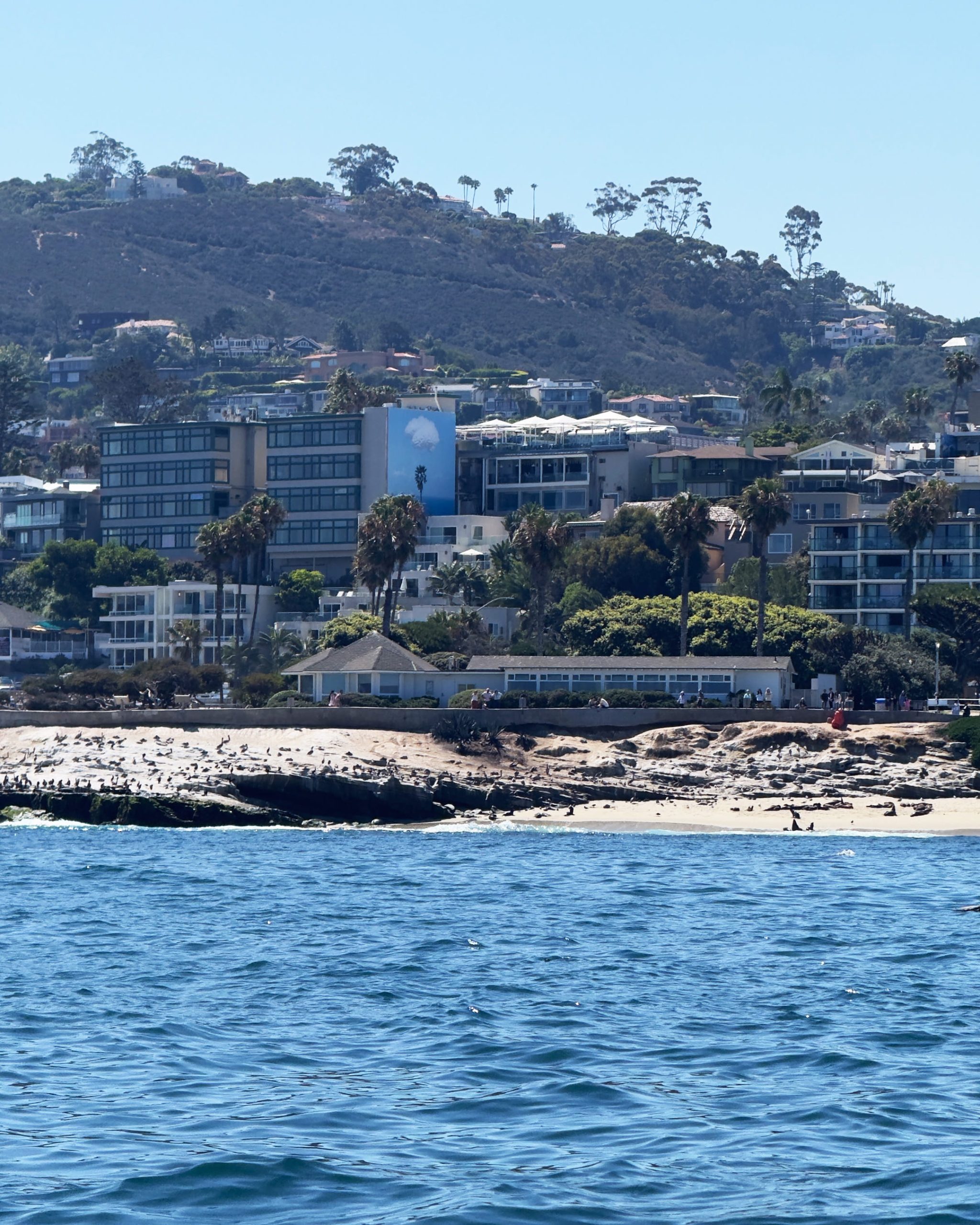
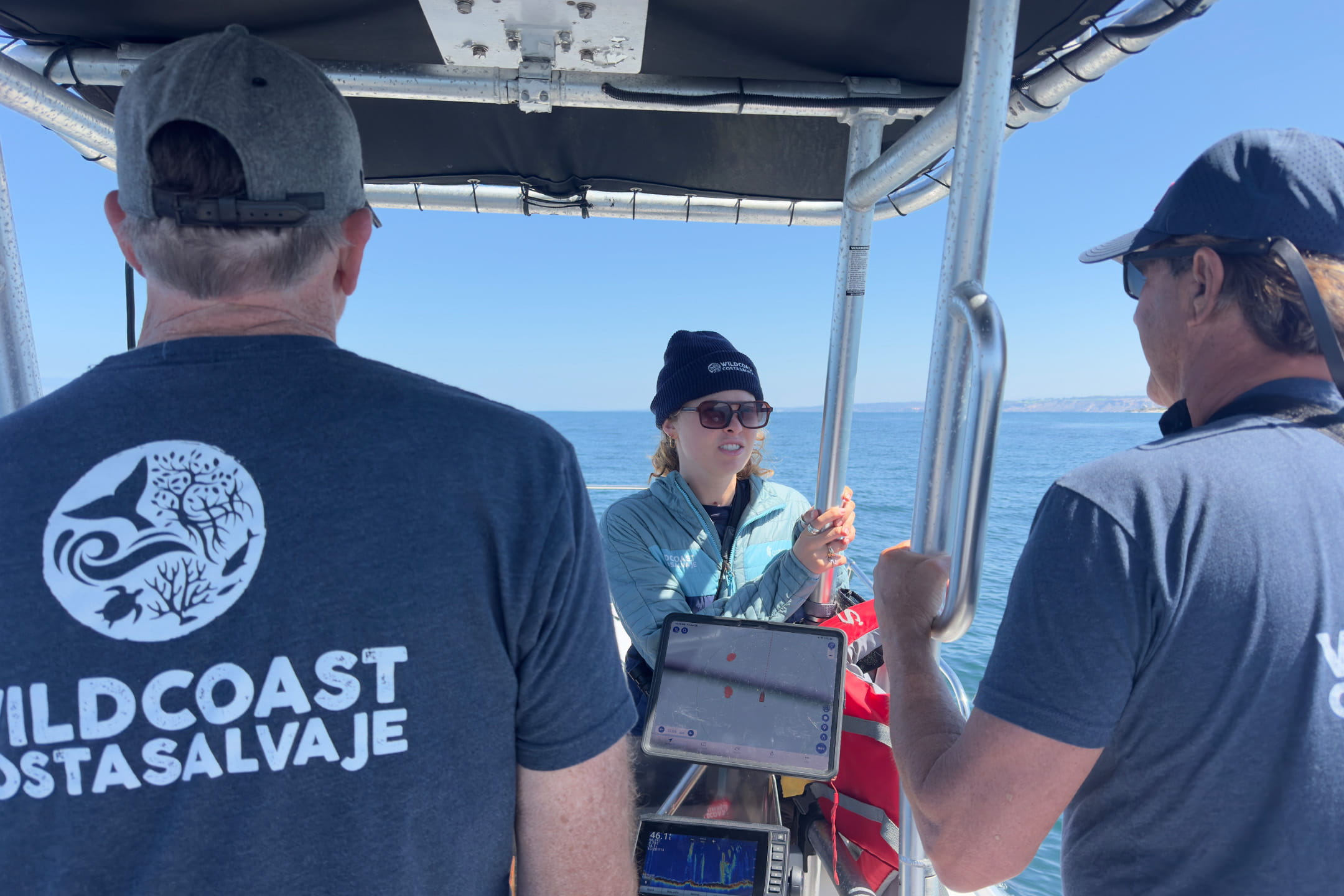
On a sunny Friday, June 26, lajolla.ca joined the Wildcoast team on one of its MPA boat surveys through the four La Jolla MPAs, during which the team documented and reported three vessels potentially fishing illegally – an unusually high number for any given survey – to the California Department of Fish & Wildlife.
La Jolla’s marine bounty flourishes because of the MPA protections, according to Wildcoast’s senior ocean conservation coordinator Lillie Mulligan, but also attracts illegal poachers.
And this being an El Niño year with warmer waters, La Jolla becomes “a bellwether spot” for tropical and rare species, Wildcoast Executive Director Serge Dedina said, drawing more fishermen to the area.
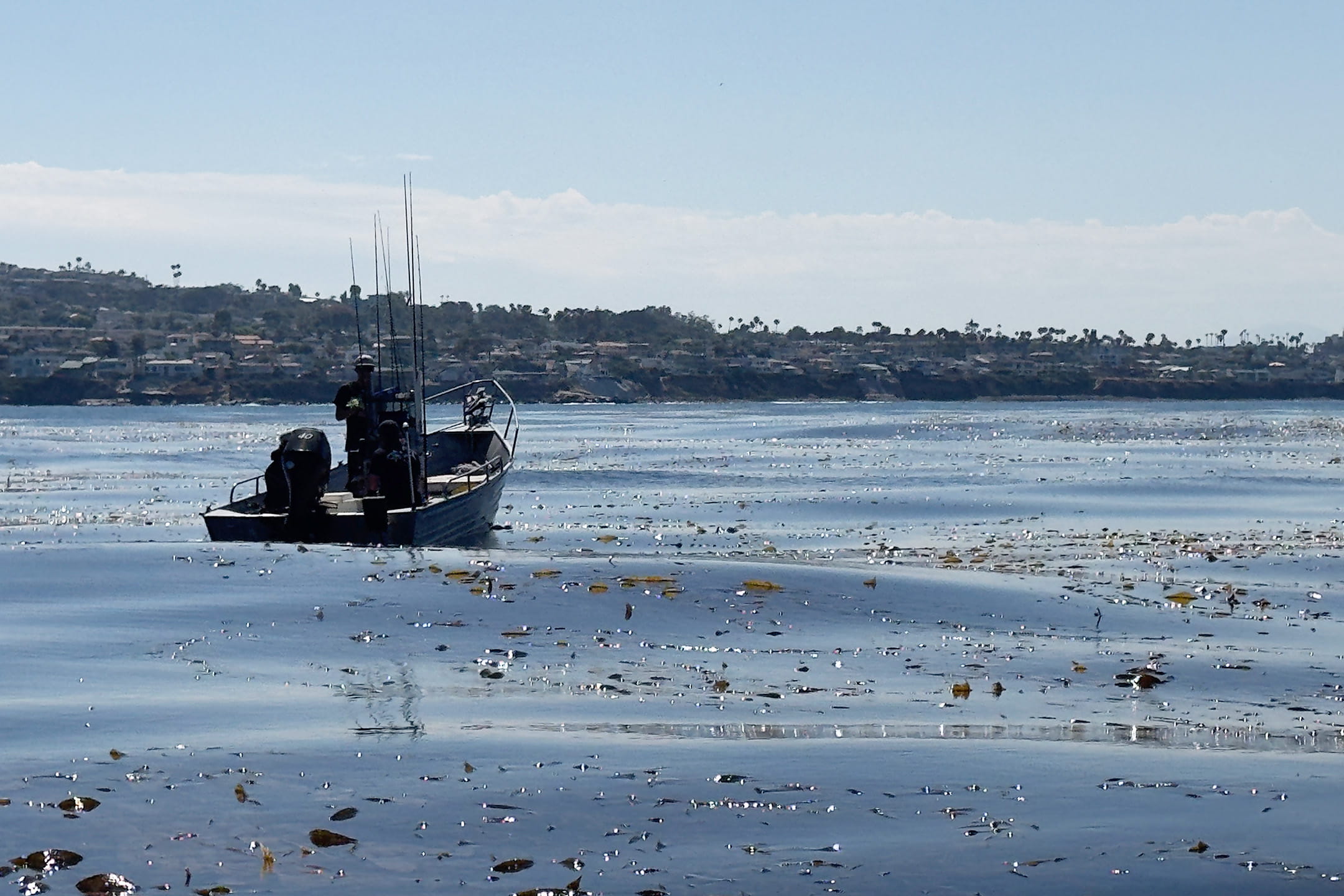
The three poachers, a single man on a small boat, a group of three teens or young adults and a larger vessel thought to be a commercial charter, were documented, their locations recorded with radar and sent to CDFW.
Mulligan also called in the largest boat to CDFW, noting authorities often can’t respond quickly enough to contact the violators but “collecting the data is enough.”
Twice a year, the Wildcoast team creates heat maps showing the most commonly fished areas, she said.
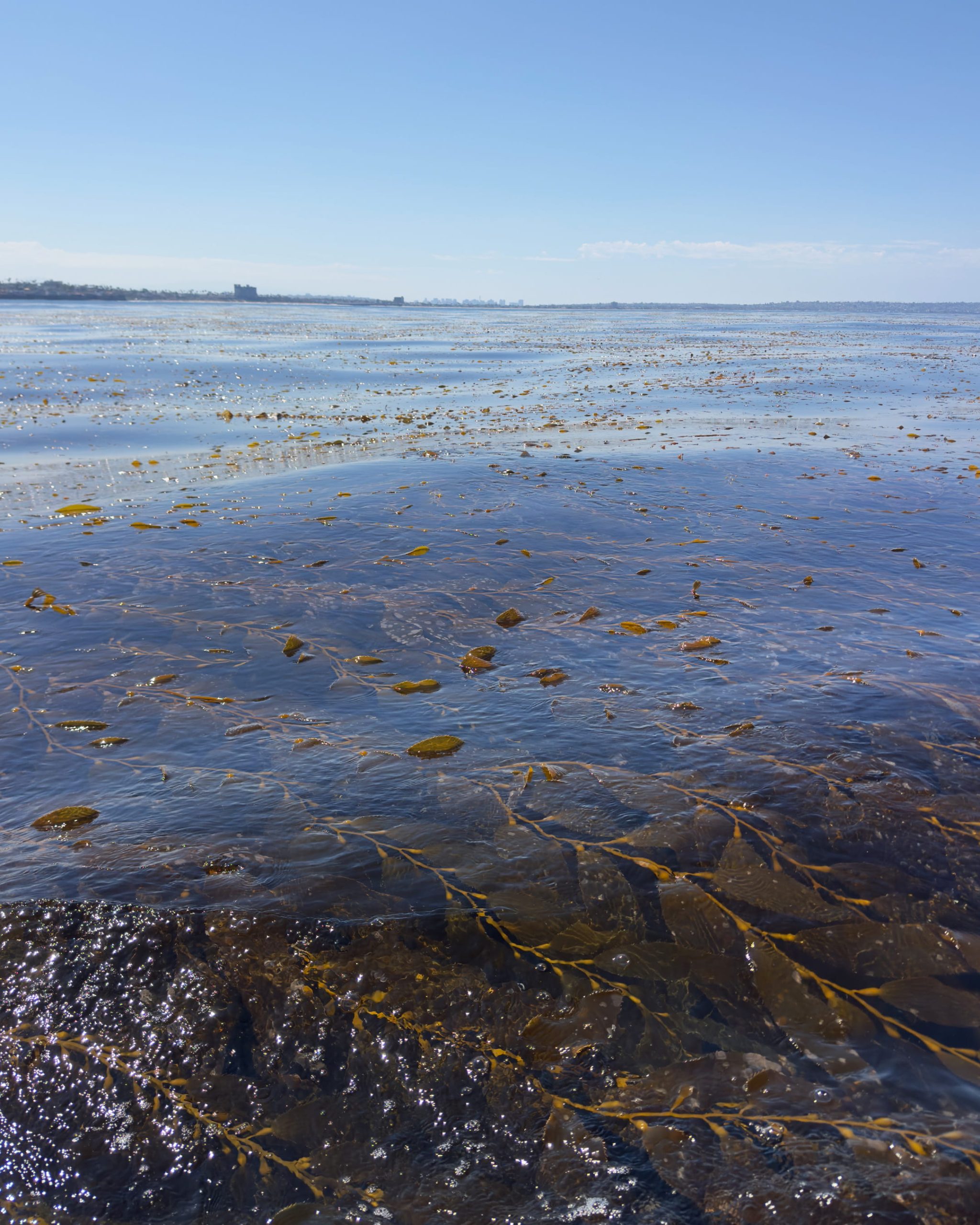
Though the boat surveys are a small feature of the MPA Watch (O’Donnell emphasized it’s the shoreline walks that matter most), a wholly different La Jolla emerges from the one visible on dry land: a lush kelp forest; harbor seals floating vertically, undisturbed; an elegant tern resting on a kelp pile; the sea caves’ jagged edges protruding under the bluffs; and egrets diving for a fishy meal.
Preserving the oceans for these species and innumerable others is a guardianship Wildcoast and similar groups take seriously.
Wildcoast seeks “really, really hard to work with our community and also connect very quickly to relevant and important agencies and stakeholders to make sure that we’re filling the gaps wherever we can,” O’Donnell said.
It’s a diligence evidenced in the prosperity of sea creatures, richness of ocean economy and swell of tourists all contributing to a thriving La Jolla.