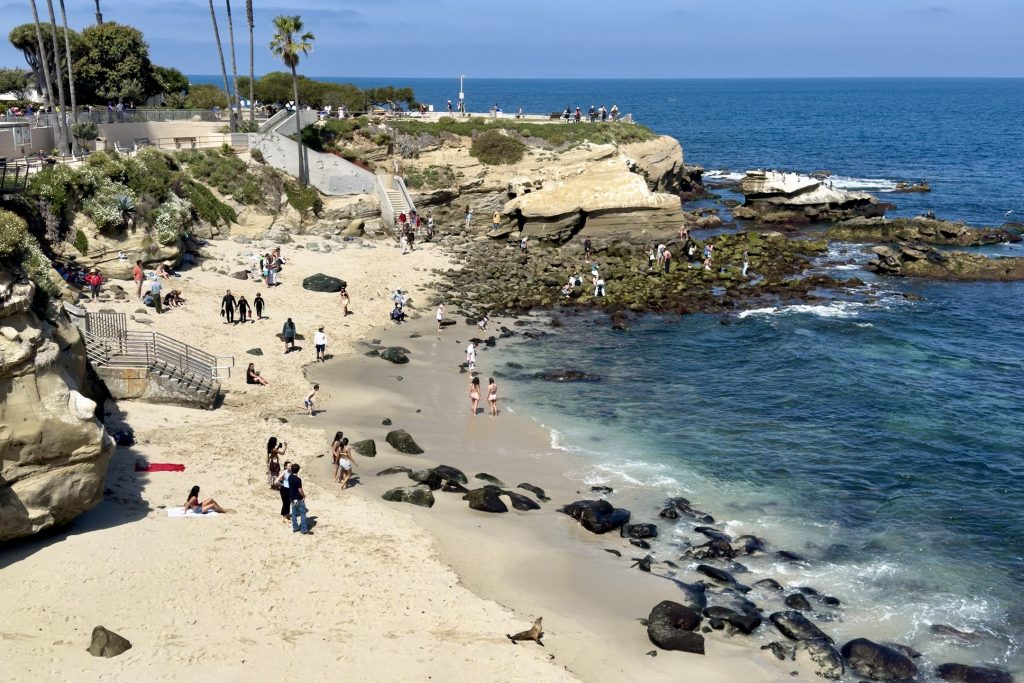
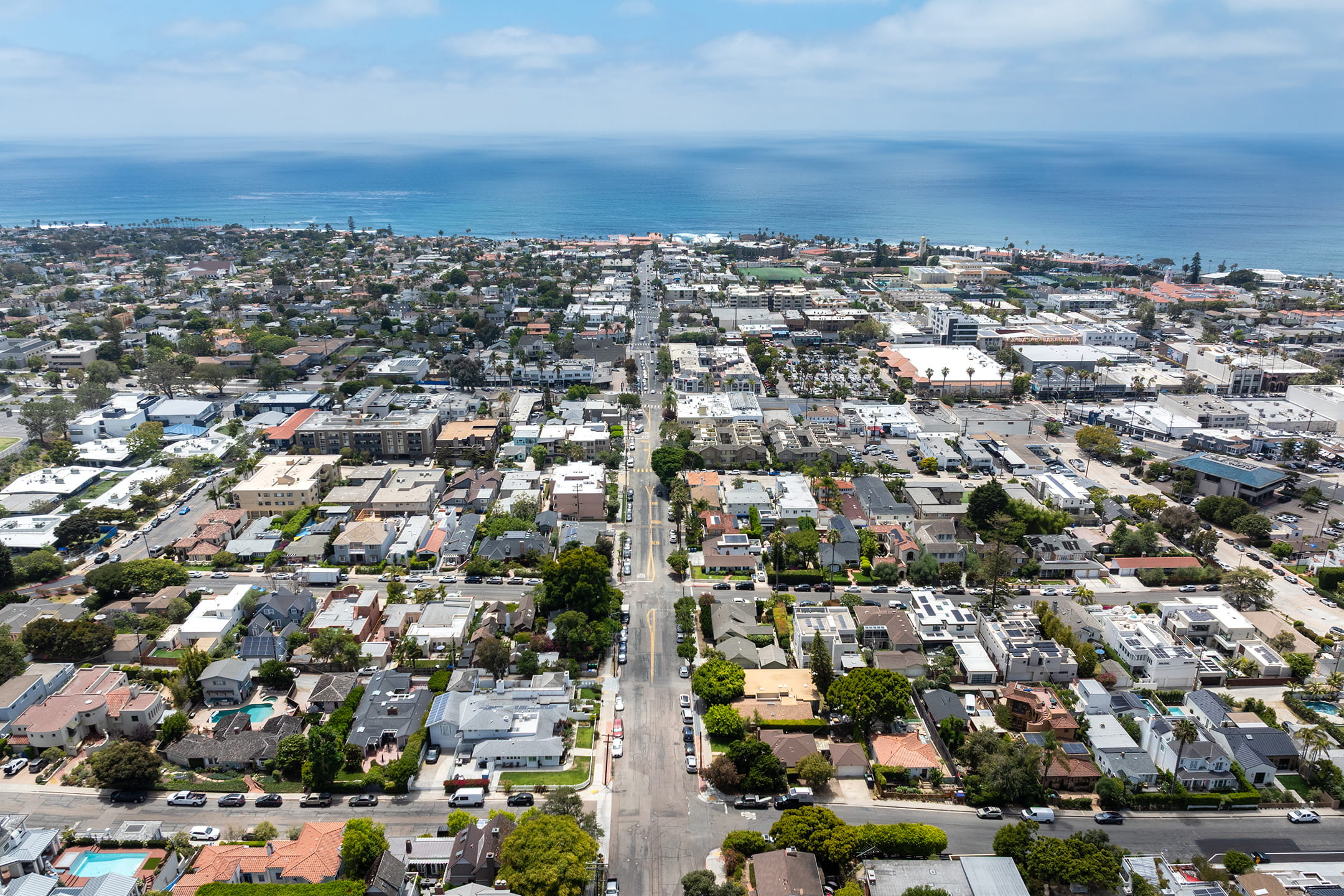
La Jolla’s Marine Protected Areas are a prime spot for data collection through a local company aimed at using frequent visitor help to observe changes.
To deepen understanding of La Jolla’s Marine Protected Areas and how they change over time, a local marine ecologist and educator founded a company and resultant program that has frequent visitors diving in to help.
Liz Ferguson, an adjunct professor at a few local colleges and universities, founded Ocean Science Analytics in 2018 to conduct ocean science research and online technical training.
“We don’t really collect data. We just help others analyze and interpret their data,” she said.
Through OSA’s apprenticeship program, the idea emerged to “develop a means of monitoring our local MPAs,” Ferguson said.
La Jolla has three state-designated MPAs: the Matlahuayl State Marine Reserve (SMR); the San Diego-Scripps Coastal State Marine Conservation Area (SMCA); and the South La Jolla SMR/SMCA, where ocean activities are restricted to protect the marine ecosystems thriving there.
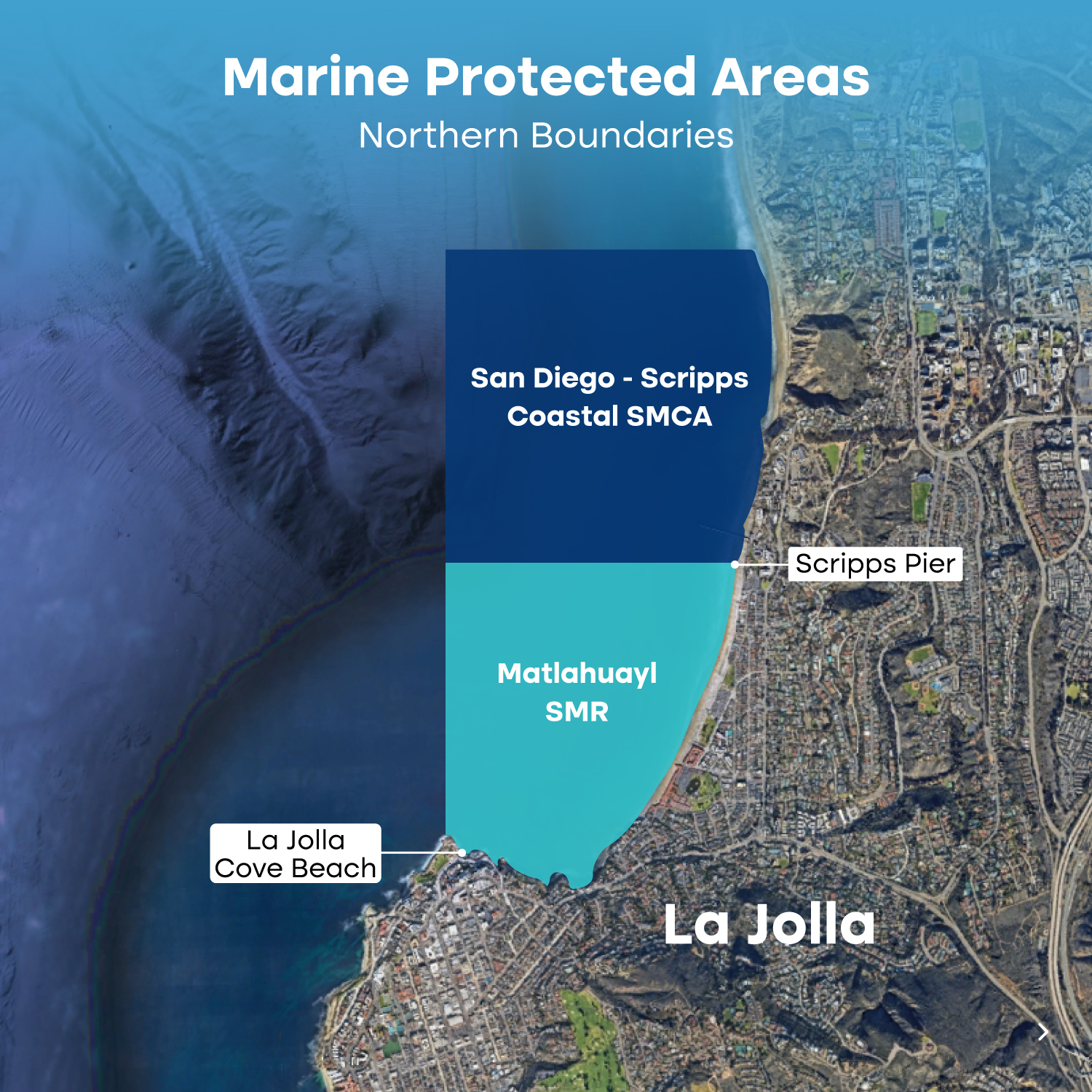
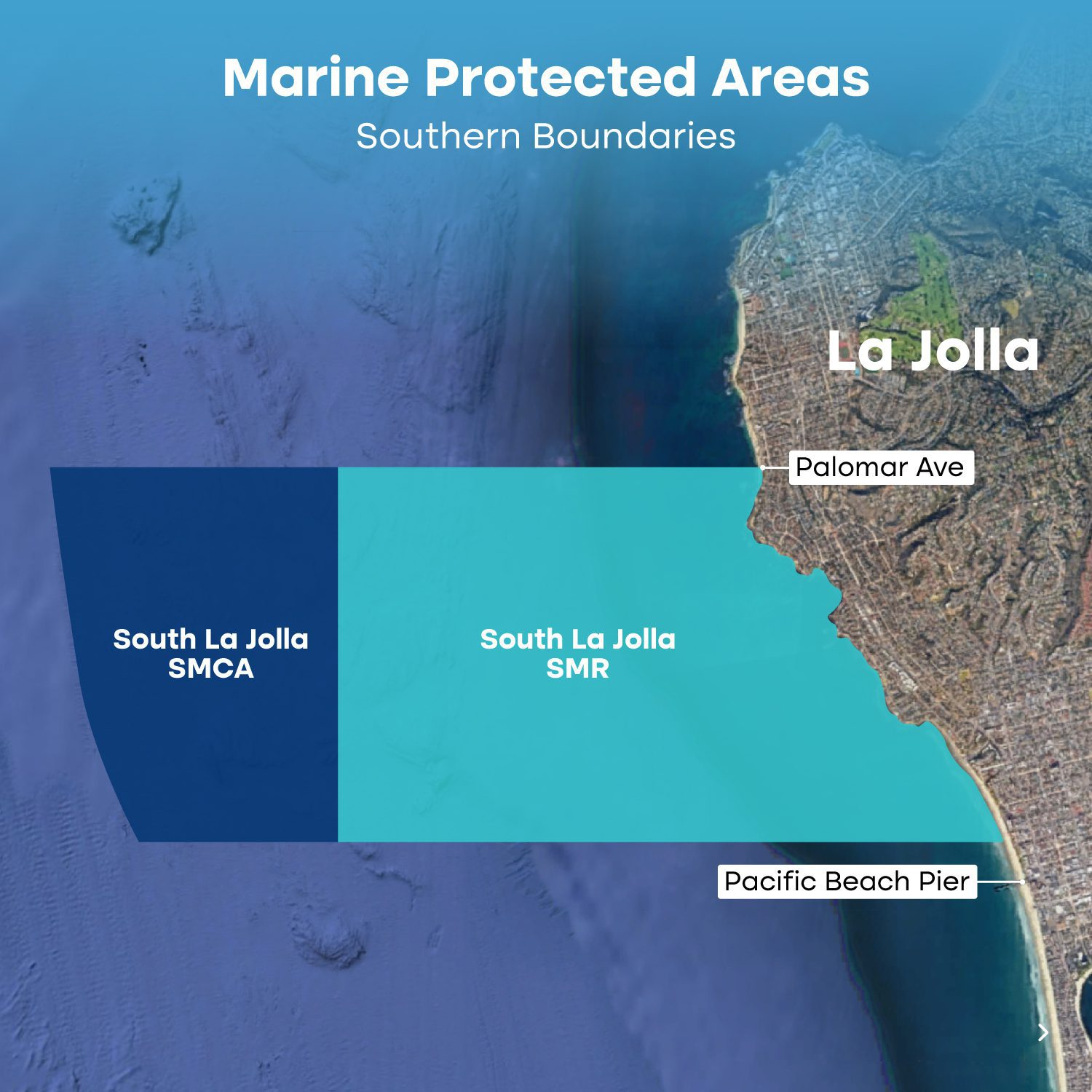
After some research into the MPAs, Ferguson and her team learned that despite the protections, “there’s very little monitoring that happens,” only occurring every decade.
The realization led Ferguson and OSA to establish the “MPA Observer Program,” an outreach project “wherein we don’t collect any of the data, but we get [citizen scientists who] are interested and there regularly to just record what they’re seeing,” she said.
This includes swimmers, regular beachgoers and divers, who upload pictures and other details of their MPA visits like biodiversity and marine life activity but also anthropogenic, or human, activity.
“Is there fishing happening? Are there a ton of tourists there that might be diving at the same time and possibly impacting the biodiversity?” Ferguson asked.
Underwater photographer Flo Li is one such participant: “I love being able to log my ocean adventures into meaningful observations,” she said. “It is essential to better understand the health of our local underwater world.”
To facilitate data collection, OSA and the MPA Observer Program leverages the eOceans app, developed by Christine Ward-Paige.


The app works by collecting data input by people in a reproducible format including drop-down menus, Ferguson said, automatically sending the information to a data archival storage.
Graphs figures and displays are automatically generated regarding that data, as is a repository for images and other uploads.
“It’s amazing, because you get at those summaries just by having the infrastructure available,” Ferguson said.
The data collected is “meant to be an accessible resource that anybody can use” to better understand La Jolla’s biodiversity, she said.
Since the program’s inception, Ferguson and her college students have found “interesting” ways to use the data, she said, including in annual or semester-long projects.
In addition to educational purposes, the information can be used by other divers who might want to know more about what species are in the MPAs and when, Ferguson said.
“Say you’re going on a diving trip, and there’s nothing really shark-wise happening in winter,” she said. The data might lead you to “decide to delay till spring.”
The OSA team is also finding that the data collected can support other research projects, Ferguson said, noting pictures uploaded have been contributed to research programs on turtles and giant sea bass.
Currently there are 22 people in the MPA Observer Program, which requires a commitment to visit the MPAs two to four times a year. Of those 22, a core six to eight people contribute regularly.
“I want people that are local knowledge experts, that are familiar with the species and what you’re going to see, just because it gives confidence,” Ferguson said.
OSA is looking to grow the group. Divers, snorkelers, kayakers or people who visit the beach regularly are encouraged to join by clicking here and filling out the form.