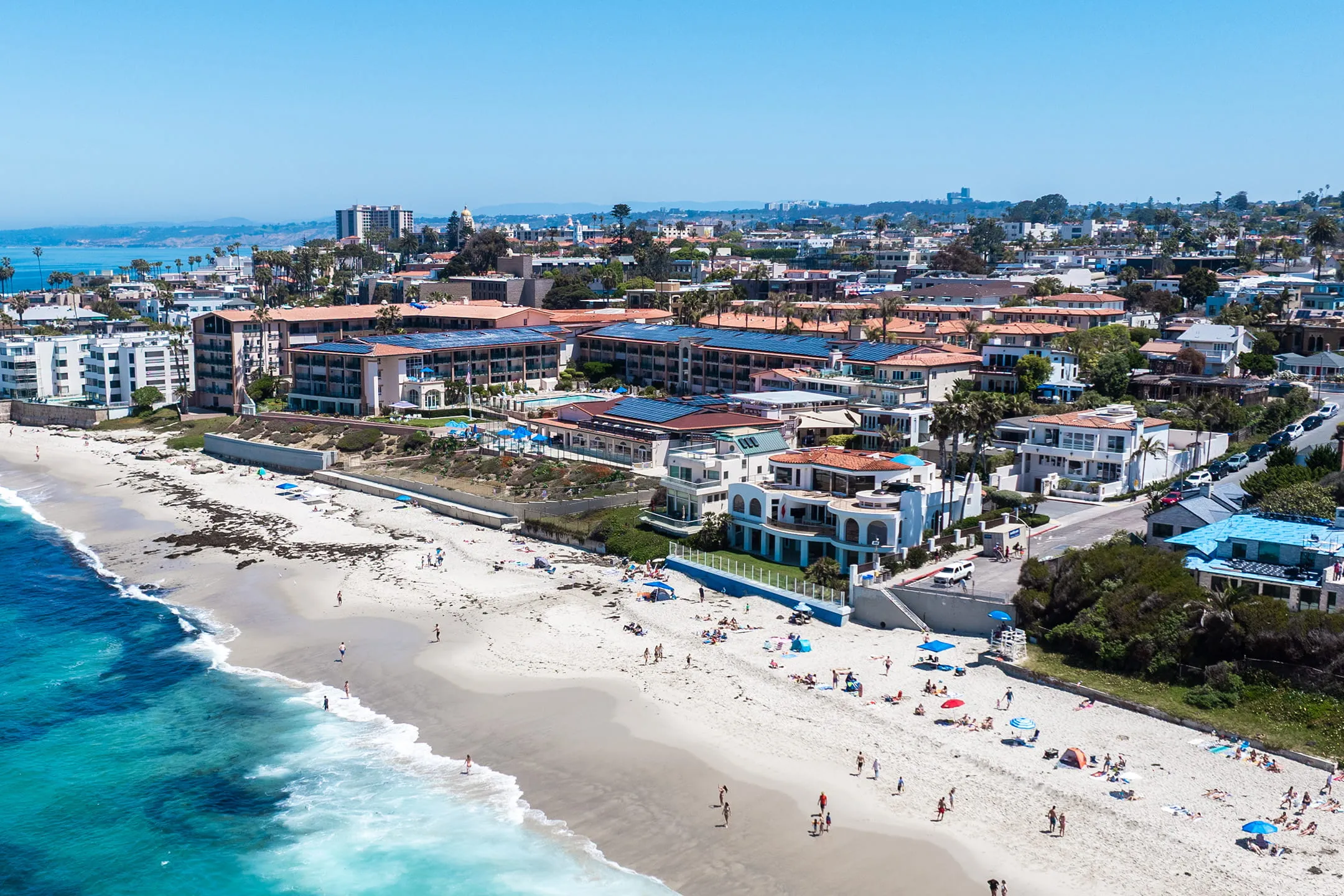
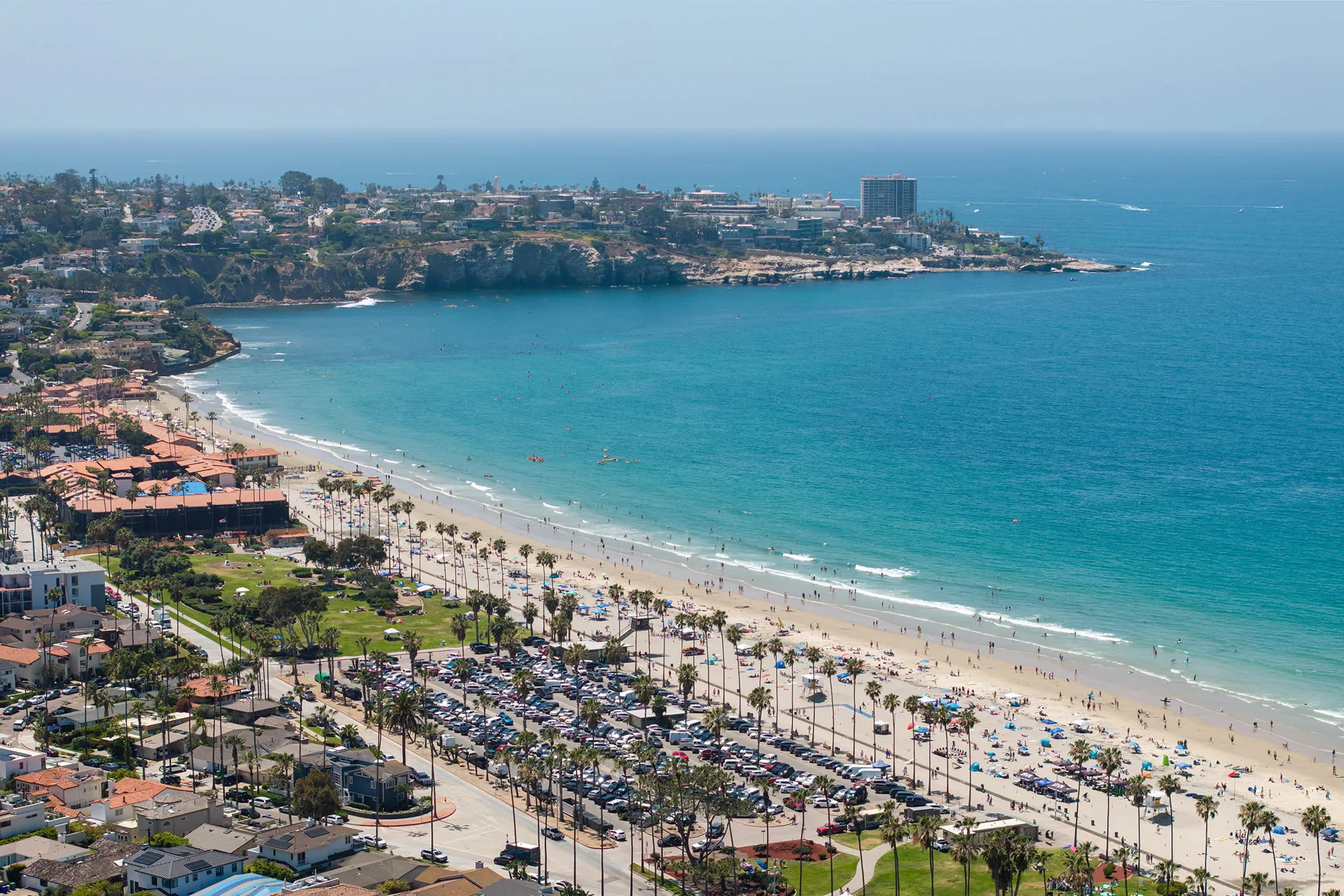
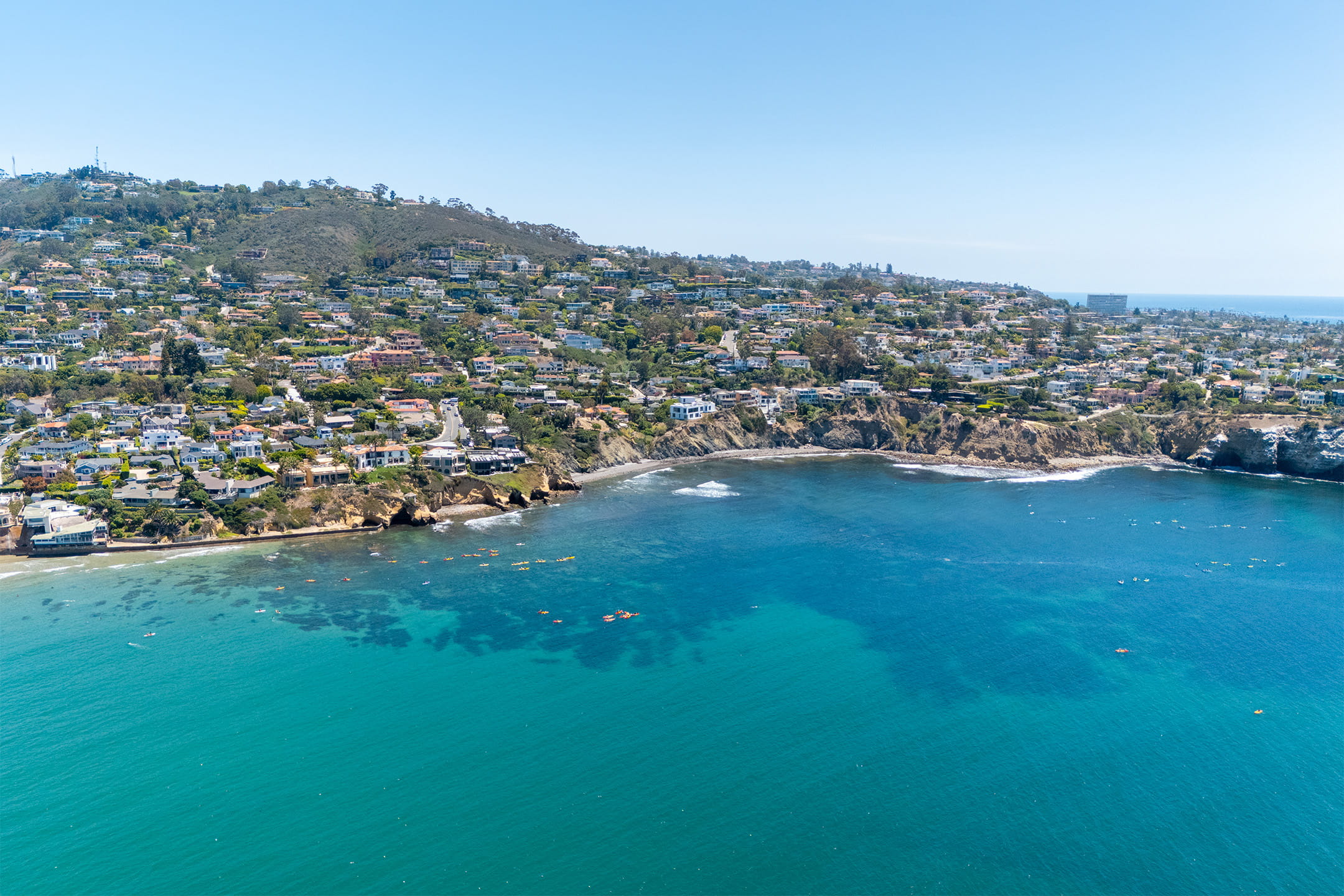
Wanting to learn about the seven La Jolla sea caves and see them for yourself? Read on for our guide to everything you need to mine your own adventure.
As you traverse the length of Coast Walk Trail and admire the view from the bluffs, you may be aware that you’re walking atop the La Jolla sea caves, a network of seven caves dug out of the cliffs by unrelenting waves to create varying recesses of marine wonder.
As most of the caves can only be accessed during extremely low tides and rarely by foot, we present this guide to the La Jolla sea caves so you’re able to venture into La Jolla’s geological history for yourself. Happy exploring!
Where and what are the La Jolla sea caves?

The La Jolla sea caves are located between La Jolla Cove Beach and La Jolla Shores Beach, bordering the La Jolla Underwater Park.
The seven caves are:
Clam: The westernmost cave is Clam, which has a double-sided entrance.
Sunny Jim’s: The next cave is Sunny Jim’s, the most accessible and well-known of them all. The only one of the seven sea caves accessible by both land and water, Sunny Jim’s was once the conduit for whiskey smuggling during prohibition.
Arch: Also called Arches, Arch cave is the second deepest cave in California, and the most extensive in La Jolla at about 680 feet deep.
Sea Surprize: The next cave to the east is Sea Surprize, which often surprises visitors as its small appearance belies a wider passage inside with many other surprises to be seen.
Shopping Cart: Next is Shopping Cart, which faces due west and used to be known as a hotspot for spiny lobster trapping, no longer permitted due to its being within a Marine Protected Area.
Little Sister: Moving east, the Little Sister cave is next, so named for its resemblance to the shape of White Lady. It’s the smallest of the seven sea caves.
White Lady: The easternmost cave is White Lady, said to have been named for a new wife searching for seashells on her honeymoon when she was swept away by the tide.
How to see the La Jolla sea caves


The Clam is the only one of the La Jolla caves visible from land. Head to Coast Boulevard at Goldfish Point to watch the water splash through the two entrances.
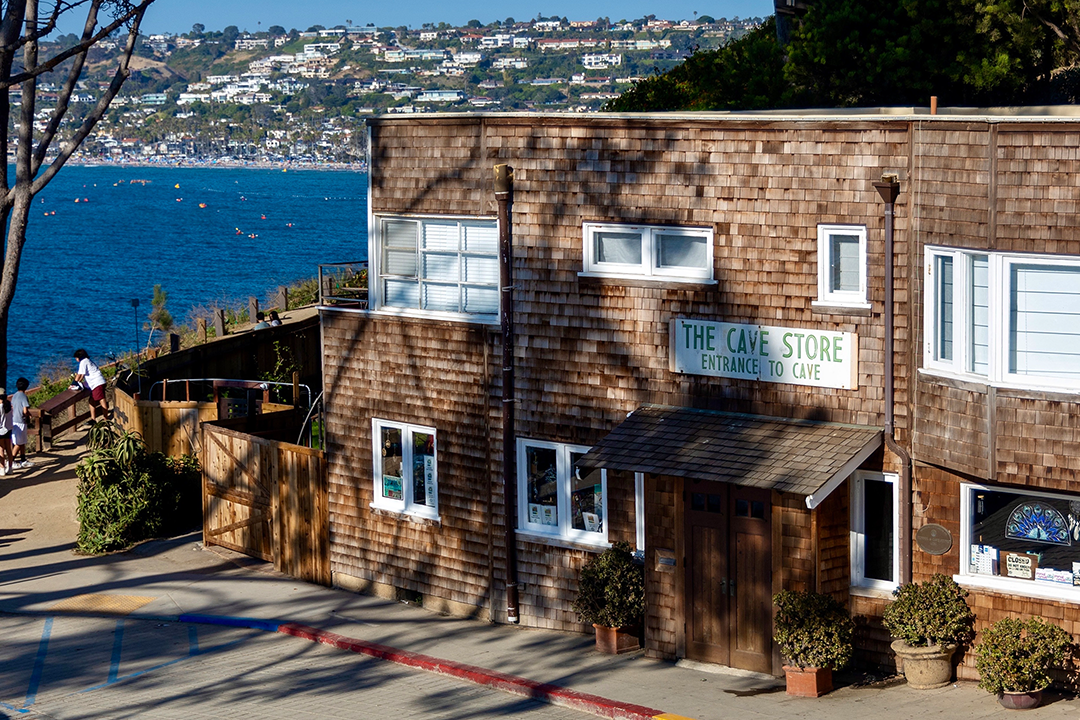
Sunny Jim’s is accessible on foot via The Cave Store, where you can descend the 145 stairs built in 1903 to view the cave from a special platform.
All the caves are best viewed via kayak on the water. Due to safety concerns, swimming into the caves is never a good idea.
A kayak tour with companies like Everyday California or La Jolla Kayak is a terrific way to view the caves, as your guide will explain more about the history and allow you a safe, enriching look inside.
Snorkeling tours are also available, which will expose you not only to the beauty of the La Jolla sea caves but also the marvels of the La Jolla Underwater Park.
Very rarely, during extreme negative tides, some of the easternmost caves can also be accessed by walking the beach south from La Jolla Shores.
The formation and history of the La Jolla sea caves

The La Jolla sea caves were formed thousands of years ago by mechanical erosion: the unrelenting waves crashing against the sandstone cliffs carved out the caverns.
The caves are the inspiration for La Jolla’s name: the Indigenous tribe who first inhabited the region, the Kumeyaay people, named the area Matlahuayl, which means “place of many caves.”
Spanish settlers later misinterpreted Matlahuayl (pronounced mat-oo-la-hooy) to “La Jolla.” Rodriguez said.
More than a century later, American developers named the La Jolla caves the “Mammoth Caves,” and efforts to connect the caves from land-based tunnels were met with much protest.
For more on the history of the La Jolla sea caves, click here.