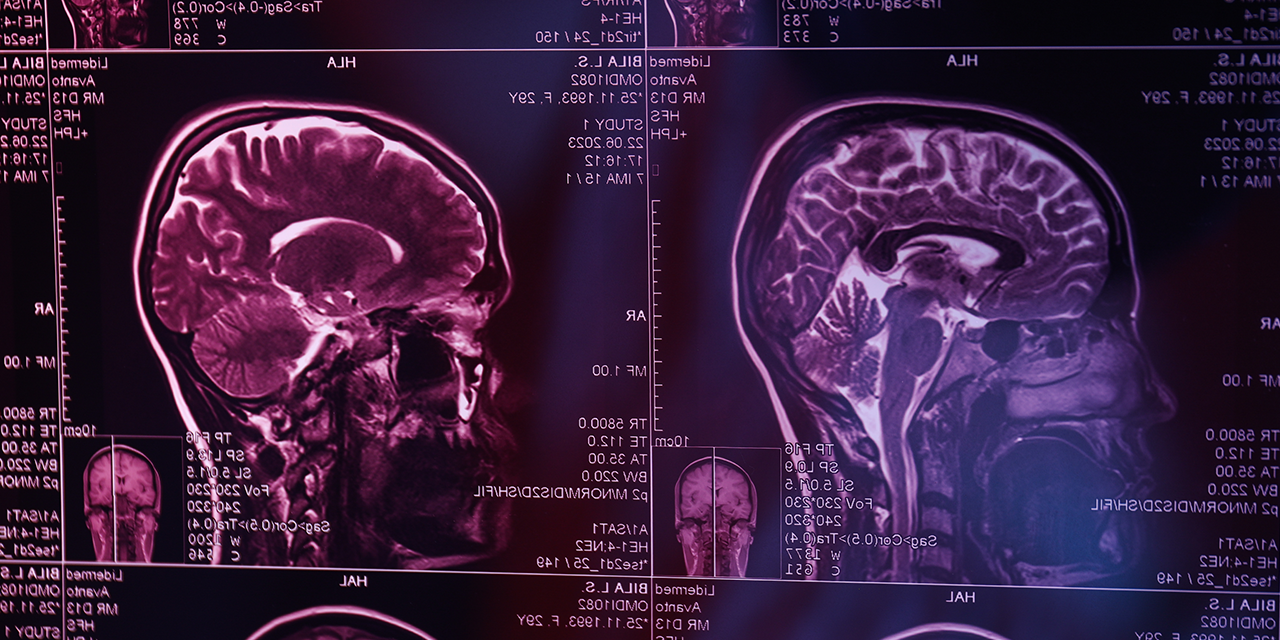
The new study showed molecular stress prevented the aged neuron cells from contending with new stress events that could lead to dementia and more.
A new study published June 2 in Nature Neuroscience by UC San Diego School of Medicine researchers has found that old neurons have unique defects resulting from molecular stress that make them especially vulnerable to neurodegeneration.
The findings shed light on the molecular mechanisms behind the deterioration of brain cells which leads to diseases like dementia, Alzheimer’s disease, Parkinson’s disease and amyotrophic lateral sclerosis (ALS).
“Aging has been a black box for a long time,” corresponding author Gene Yeo, professor in the Department of Cellular and Molecular Medicine at UCSD School of Medicine, said in a statement. “Nobody is really sure what an aged neuron looks like, how it behaves, or how it’s different from a young neuron.”
Yeo’s team created aged neurons in the lab by using a cell culture approach called transdifferentiation, which directly reprograms skin cells from human donors into neurons that appear old at the molecular level.
In comparison with young neurons, old neurons displayed hallmarks of molecular stress, such as halting growth and storing untranslated RNA and proteins in compartments called “stress granules” outside of the cell’s nucleus.
The molecular stress prevented the aged neuron cells from contending with new stress events, similar to mental and physical stress prompting common cold infections, according to first author Kevin Rhine, a postdoctoral research fellow in Yeo’s lab.
The researchers further discovered that older neurons lacked RNA-binding proteins and failed to make stress-responsive proteins. The neurons instead accumulated a protein called TDP-43, which regulates gene expression in the nucleus of young neurons, outside the nucleus, which resembles the state of neurons in people with Alzheimer’s disease, dementia and ALS.
“We think that aged neurons are prioritizing other proteins and forgetting about the stress response and about RNA-binding proteins that keep everything running smoothly,” said Yeo, also director of UCSD’s Center for RNA Technologies and Therapeutics and the Sanford Stem Cell Innovation Center at the Sanford Stem Cell Institute.
Neurodegenerative diseases put an enormous burden on public health, affecting about 50 million people worldwide; that number is expected to grow as the global population ages.
The researchers believe their findings could contribute to the development of new therapies to prevent these diseases.
Next steps include pinpointing the source of cellular stress in order to keep RNA in a healthy state, according to the researchers.
© lajolla.ca