For International Women’s Day 2026, we’re highlighting the lesser known, younger sister of Ellen Browning Scripps and her gifts of generosity and passion.
With a wheelbarrow and whimsy, the younger half sister of Ellen Browning Scripps, Eliza Virginia Scripps may be lesser known given Ellen’s prominence in La Jolla, but her life wasn’t one lived in the shadow of her older sibling.
This International Women’s Day, lajolla.ca spotlights this foundational La Jolla woman, known as Virginia or “Jenny,” half of the “Scripps sisters,” immortalized on Virginia Way in The Village and remembered as a steadfast friend to Ellen, La Jolla and beyond.
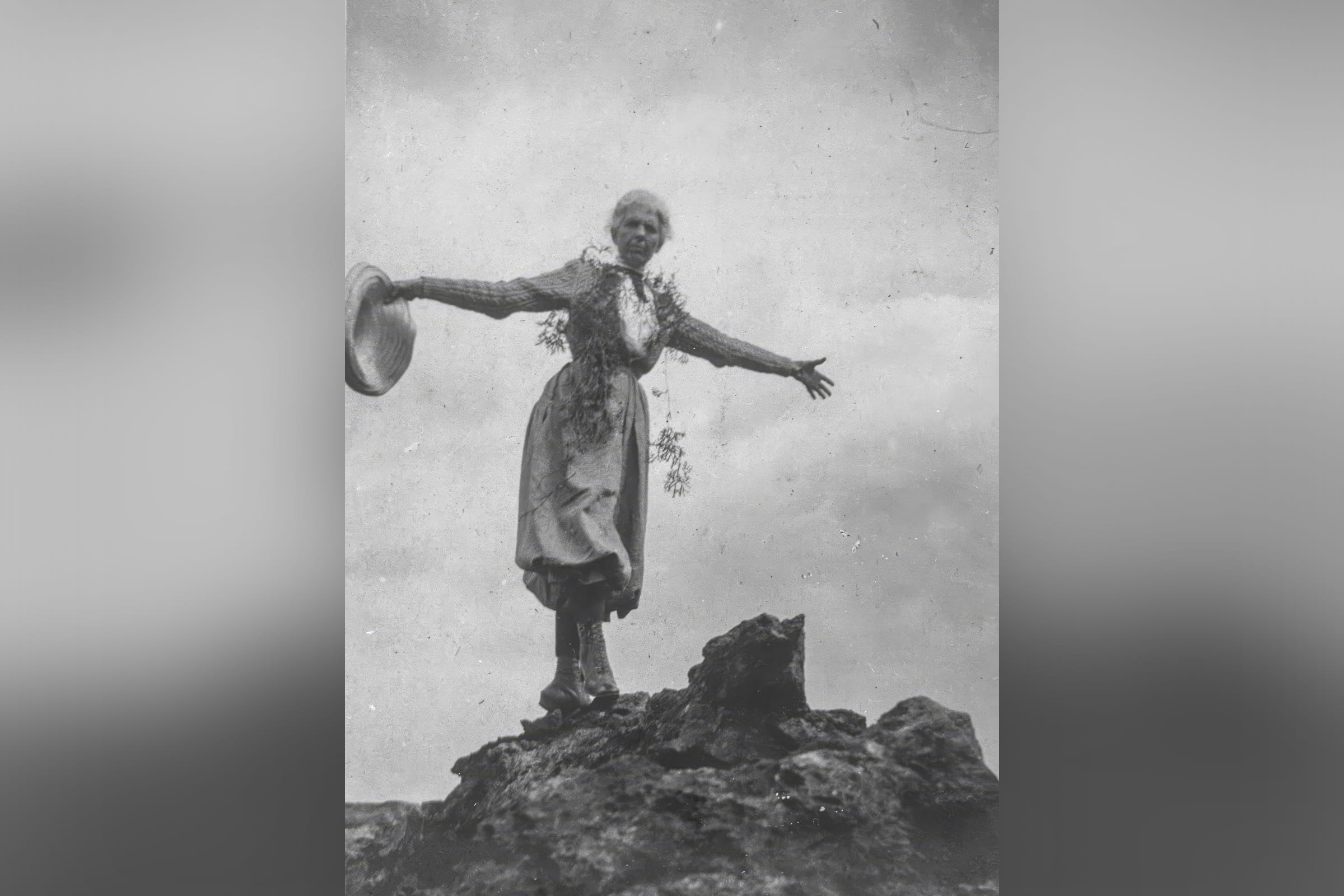
Virginia Scripps: The basics
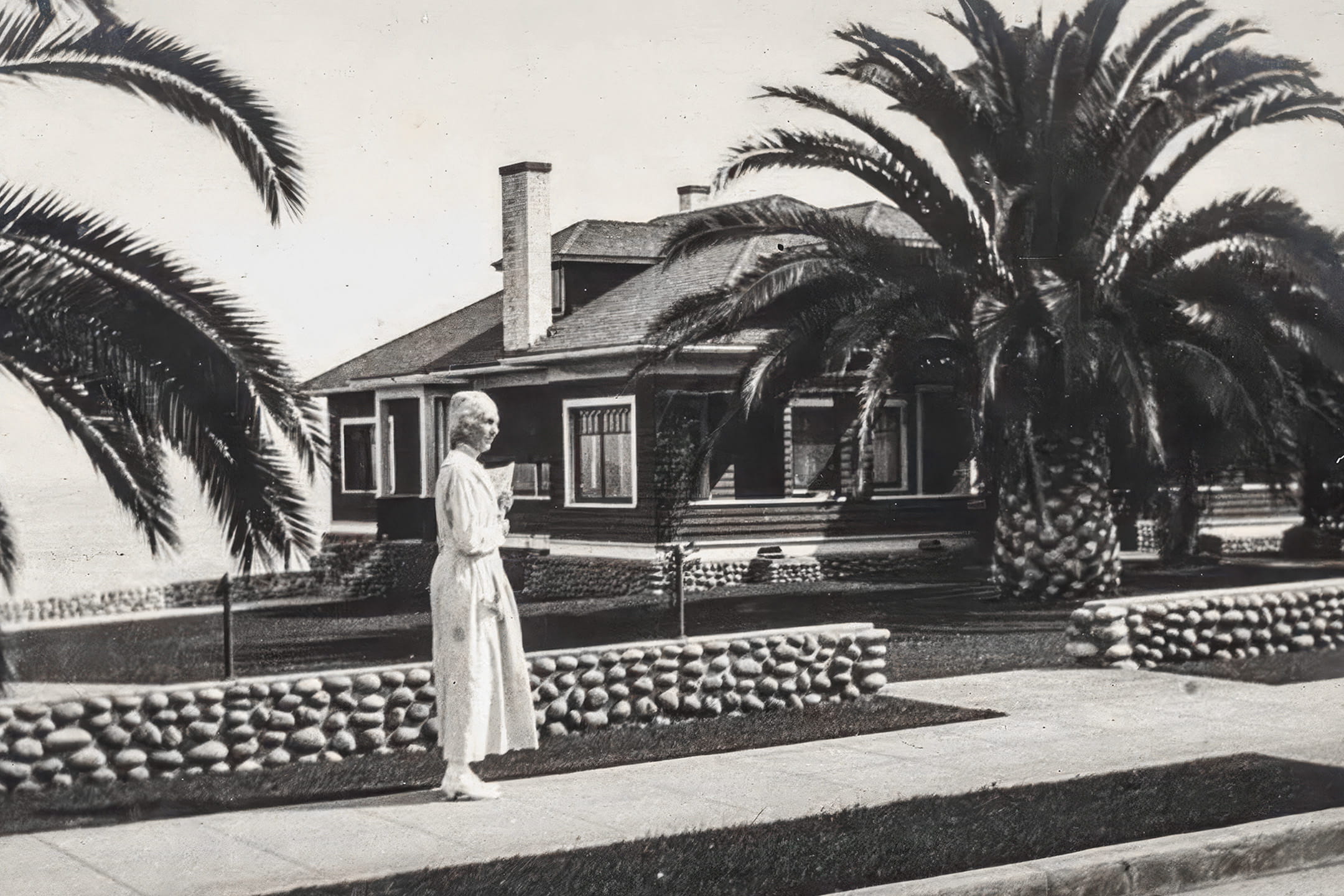
Image courtesy of La Jolla Historical Society
Born Oct 10, 1852 in Rushville, Illinois as one of 12 siblings and half siblings, Virginia joined Ellen in La Jolla in 1901, five years after Ellen settled here. Together, the sisters lived in Ellen’s home on Prospect Street, then called South Molton Villa and now the Museum of Contemporary Art San Diego.
Ellen and Virginia belonged to the same clubs, had the same friends and hosted joint parties, according to historian and author Molly McClain in her book “Ellen Browning Scripps: New Money and American Philanthropy, 1836-1932.”
Virginia – like her sister – had a keen passion for traveling, making frequent trips to Europe, India, the Philippines and more.
Virginia died of heart failure at 68 on April 28, 1921, in London, after suffering a heart attack in India.
“Sweet Virginia”
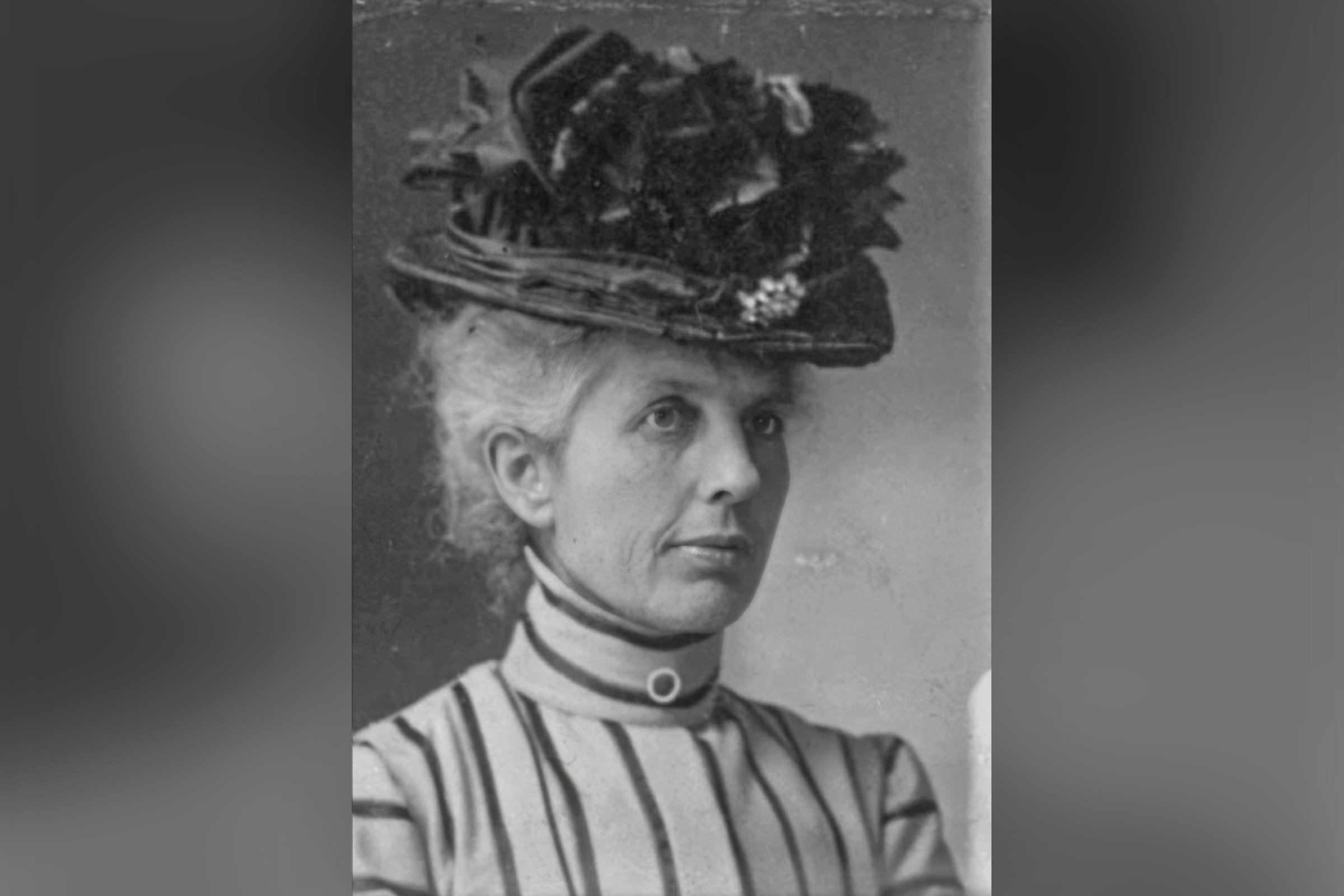
Image courtesy of La Jolla Historical Society
In just two decades in La Jolla, Virginia made her mark, so beloved by so many that memories of her led McClain to title a chapter “Sweet Virginia.”
Virginia owned two cottages, Wisteria Cottage (now the home of the La Jolla Historical Society) and another, called Iris, which was established in 1908 on the ocean side of Wisteria but completely burned in 1915; she loaned the cottages free of charge to family members, friends and La Jolla residents needing respite from long illnesses.
“Virginia was one of those inexplicable people who live from time to time, constituting a law unto themselves–treasured in memory by many who knew her personally for her many kindnesses and open-hearted generosity,” wrote Howard Randolph in “La Jolla Year by Year.”
Many sources on Virginia enumerate only some of her deeds, acknowledging no exhaustive list of her benevolence exists. She reached out to visitors to La Jolla for connection and to offer assistance, she donated numerous food baskets for the needy.
Indeed, Virginia gave to La Jolla “her full energies to improve it with financial contributions,” wrote historian Pat Schaelchlin in “La Jolla: The Story of a Community.”
In 1906, Virginia offered her cottage for Episcopal services before donating in 1907 the lot where St James by-the-Sea Episcopal Church now stands.
In 1909, she gave to The Village, with Ellen, Scripps Hall at The Bishop’s School and later its gymnasium.
Virginia also financed the repaving of Prospect Street from Fay to Cuvier after the railroad tracks were torn up, Randolph wrote, among other charitable endeavors.
Style and sass
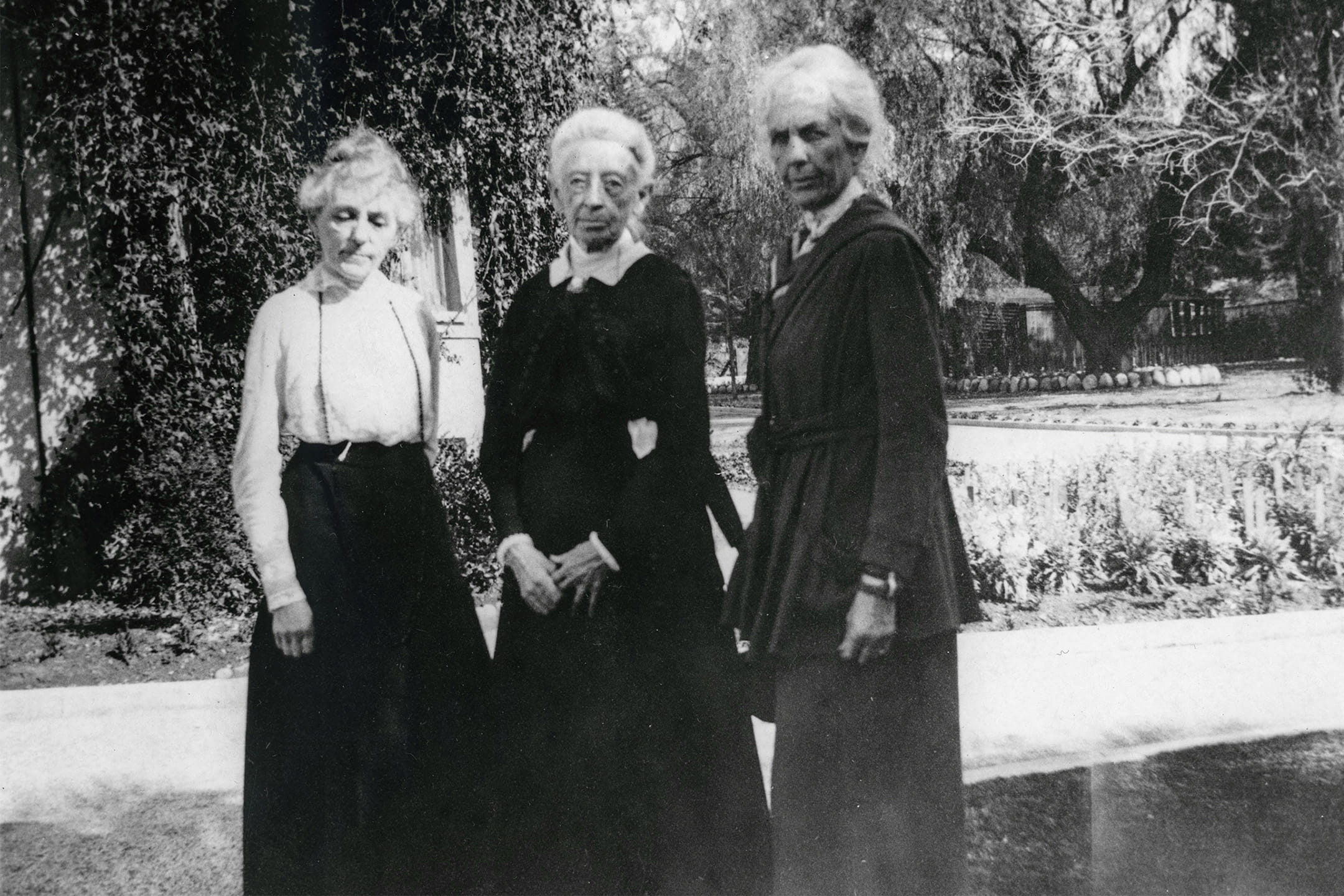
Virginia (far right) and Ellen Browning Scripps (center) with an unidentified woman/Image courtesy of La Jolla Historical Society
Virginia is remembered by many mainly for her “eccentricities,” Randolph added, which include a penchant for neatness and order that extended to her vociferous, public scolding of litterbugs and her love of the color violet and fashionable dressing.
She was also known for her swearing, drinking whiskey neat and carrying a flask of liquor, McClain wrote, embodying a “lust for life” that belied her Victorian upbringing.
It’s Virginia’s outspoken, fearless nature that historians note frequently, with McClain leaning into the descriptors “assertive, demanding, forthright and occasionally downright rude” but immediately adding Virginia was kindhearted, good-humored and hardworking.
Virginia never married but remained fiercely independent, with McClain quoting Ellen herself saying Virginia lived in an “atmosphere of action.”
The wheelbarrow
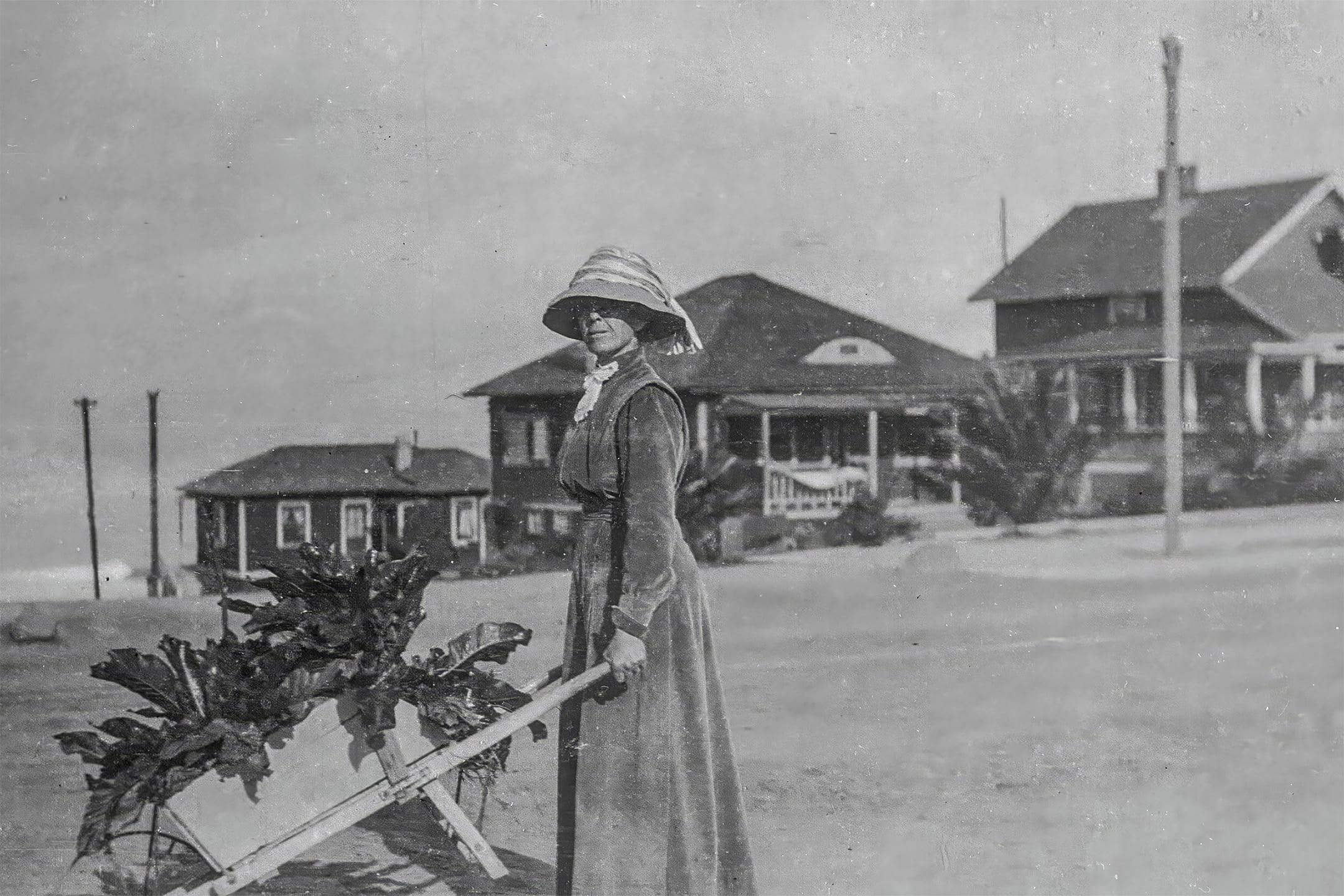
Image courtesy of La Jolla Historical Society
A pervasive anecdote about Virginia is her wheelbarrow; the younger Scripps sister is described by Schaelchlin as intent upon a clean La Jolla and “trudging the streets with the wheelbarrow picking up trash.”
Other accounts tell of visitors inquiring about why a woman is cleaning up refuse with a wheelbarrow; the responses usually include versions of “because she can” or “because she wants to.”
Of all Virginia’s undertakings, none was as helpful as the ways she bolstered Ellen, McClain wrote, from “heading off unwanted visitors and filling social space with conversation” to keeping track of family, real estate and entertainment news and gossip.
Virginia also managed excursions and estate staff and identified philanthropic projects that deserved her sister’s attention, endearing herself further to Ellen throughout their La Jolla residency.
The current tower at St James is a memorial to Virginia Scripps, donated by Ellen in 1928, four years before Ellen’s own death.
Ellen wrote it “seemed impossible” for Virginia to die, according to McClain, though the younger Scripps, it appears, will live on in La Jolla.