The first local review of a new proposal is met with support and objection.
A new proposal for a coastal access pathway and stairs at 7957 Princess St. has begun making its way through the local review process, with as many opponents as advocates.
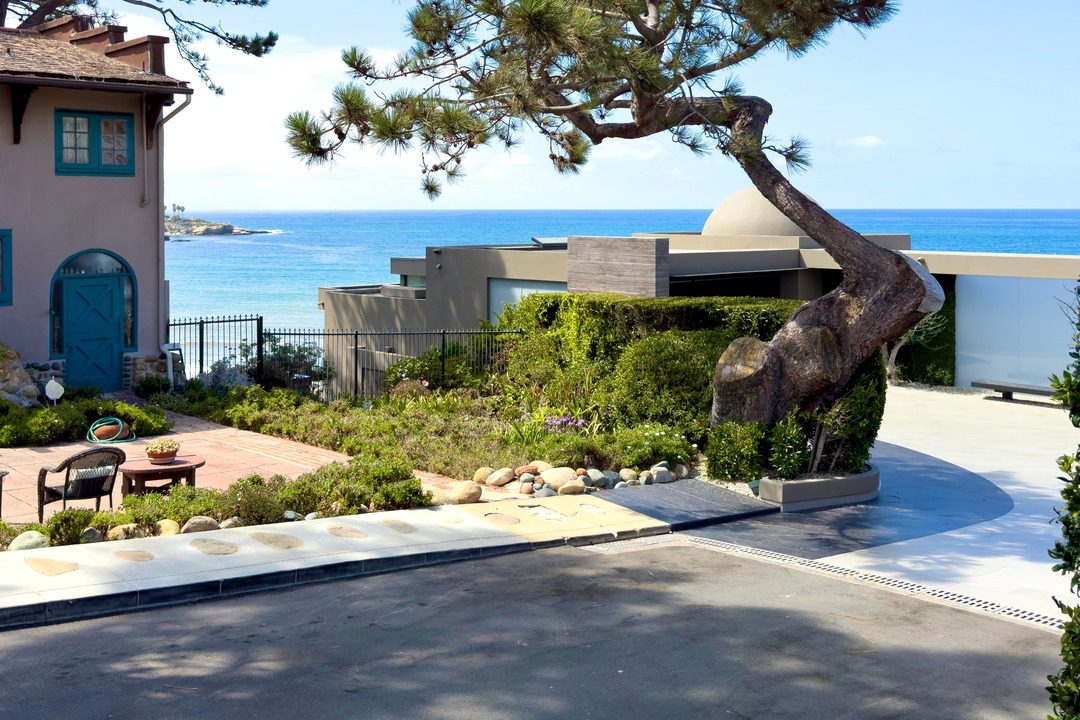
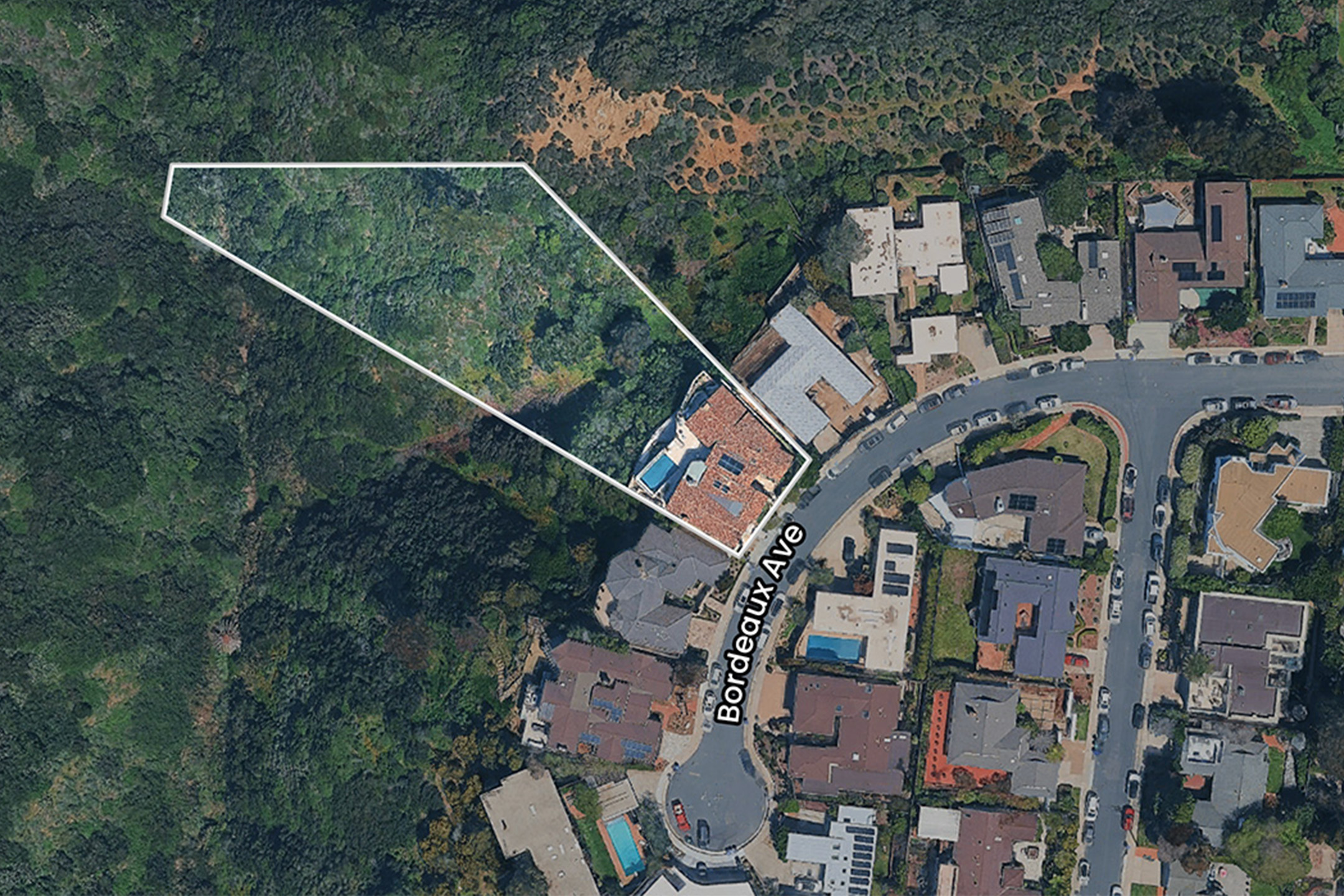
The project would reopen beach access at the northern end of Princess Street at Spindrift Drive; at issue are the primary objections of current site owners Ure and Dianne Kretowicz as to whether such access would create a liability for them.
The design details
 The scope of work calls for a five-foot wide stair structure made primarily of wood components, according to project lead Pam Heatherington, acting director of the Environmental Center of San Diego, in a presentation at the Sept. 17 meeting of the La Jolla Development Permit Review Committee.
DPR members did not take a vote, asking Heatherington to return at a future meeting with more information.
The California Coastal Commission will process a coastal development permit for the proposal in a separate action.
Because the location is “such a steep access point down to the state marine reserve,” Heatherington said, the staircase will have landings – seven total – after every few steps.
“It’s not the type of beach that you’re going to put a towel on and spend [an] afternoon,” she said, noting the stony beach and tide pools. “The idea is that people might … just want to look at the view.”
And as the trail is such a “visibly sensitive spot,” Heatherington said, the railings will be steel threads.
At the bottom, a “ship’s ladder” of steel will be anchored into the rocks at the base of the cliff, allowing for water to flow through the structure during high tide events.
The ladder design is the result of the design team’s meetings with divers and surfers, she said.
The structure will be wood where it is not steel and include a wooden bench and two signs.
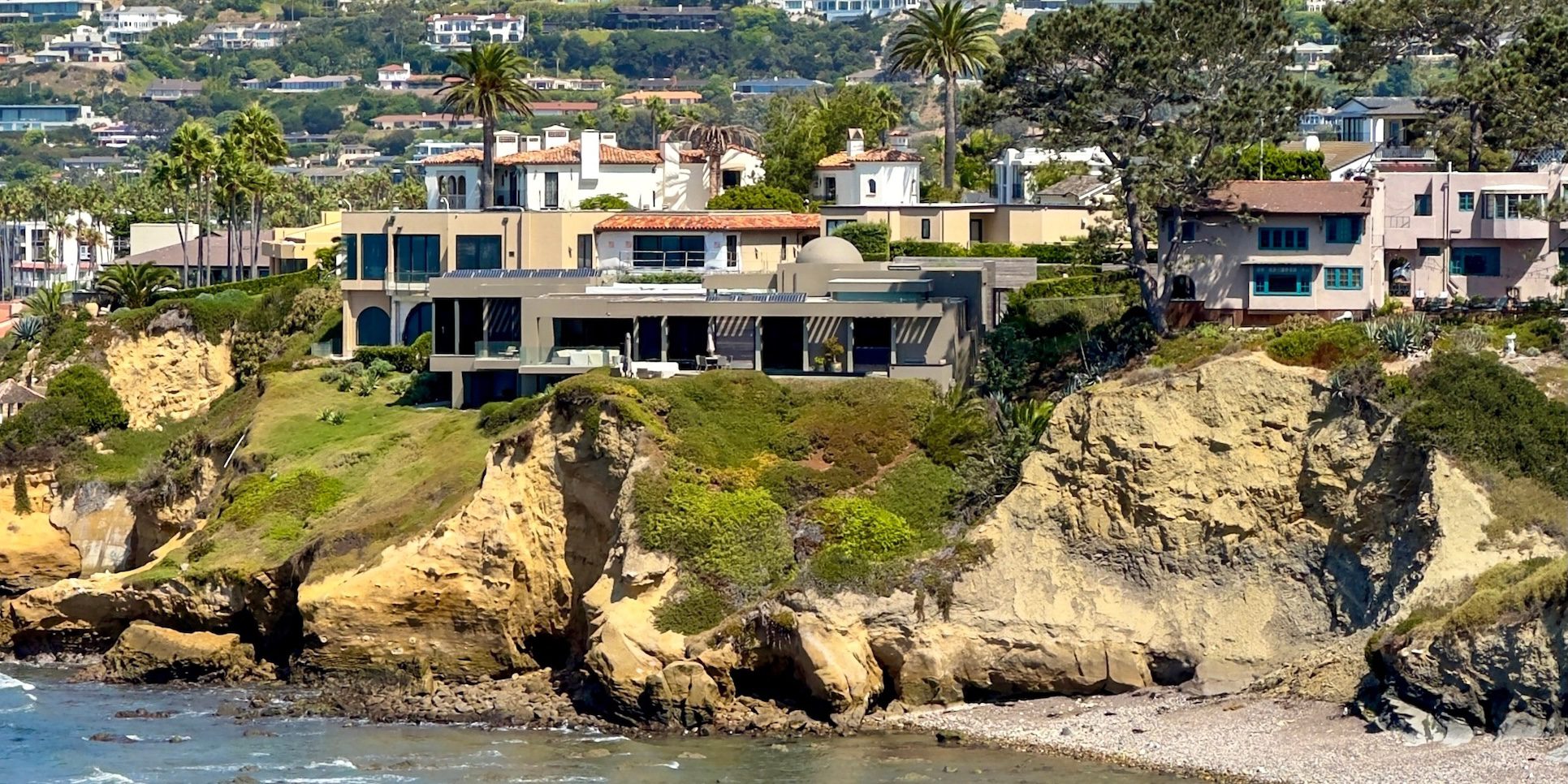
The project will be “below the sight line” of adjacent homes, Heatherington said. “It’s nothing that you’re going to see from the street.”
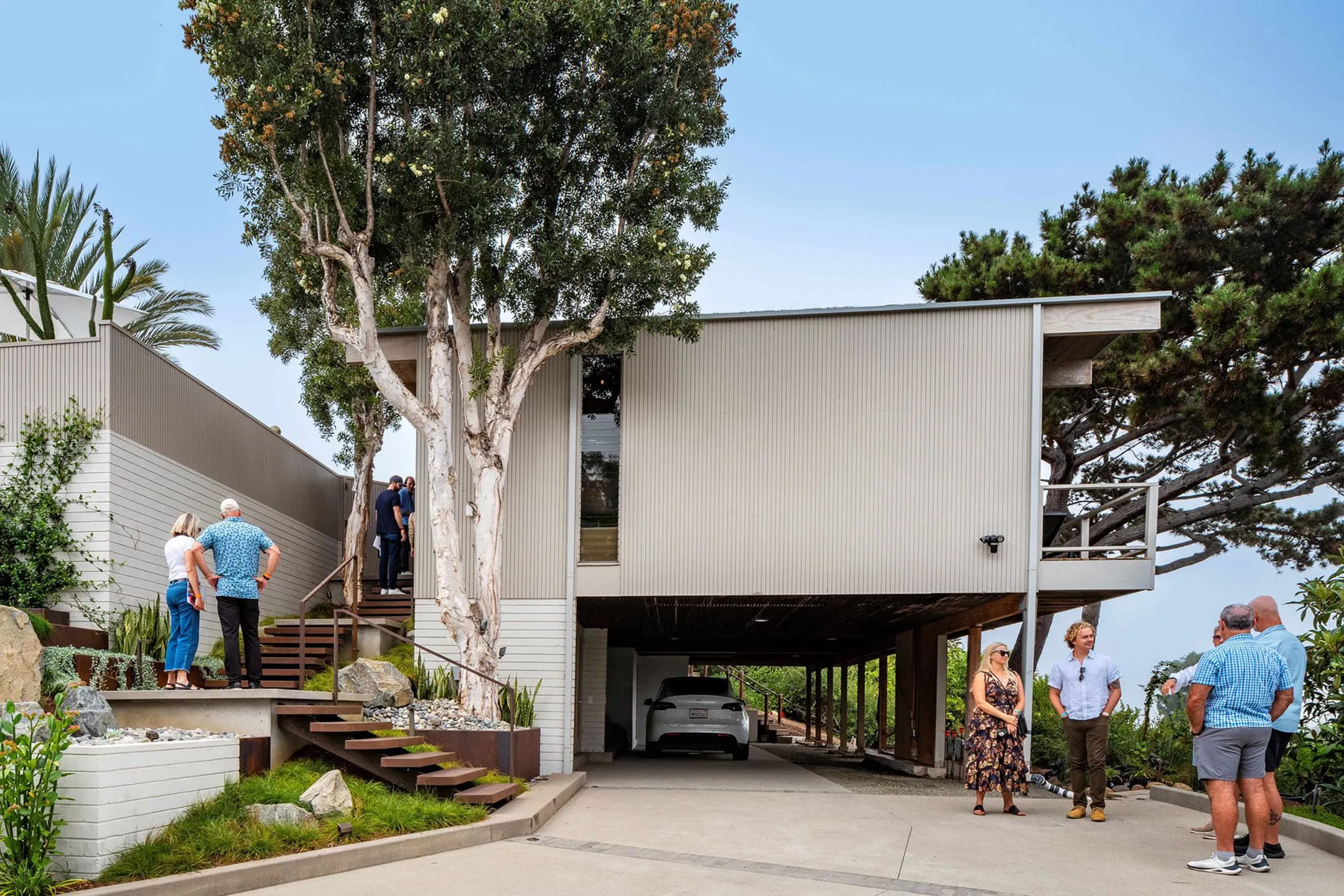
The coastal access is an easement on the Kretowicz property, she said. “There’s a public right-of-way that is dressed as his driveway that we’re going to make sure that people are not using to turn around or drop people off.”
In creating the proposal, the design team undertook several studies, Heatherington said, from boundary surveys to topographical, animal, biological, archeological and geotechnical studies.
There will be an electronic gate unlocked from dawn to dusk, along with onsite cameras, she said.
That particular coastal access point has had a convoluted history, Heatherington said, with the trail closing in 1979 due to a previous landowner’s privatization of the trail.
The Kretowiczes, who bought the home in 1994, have been involved in litigation with government agencies over the easement condition since 1999; the Coastal Commission ruled in 2012 the gate was on public land and mandated its reopening.
“We have been working on this for so long,” Heatherington said.
The opposition