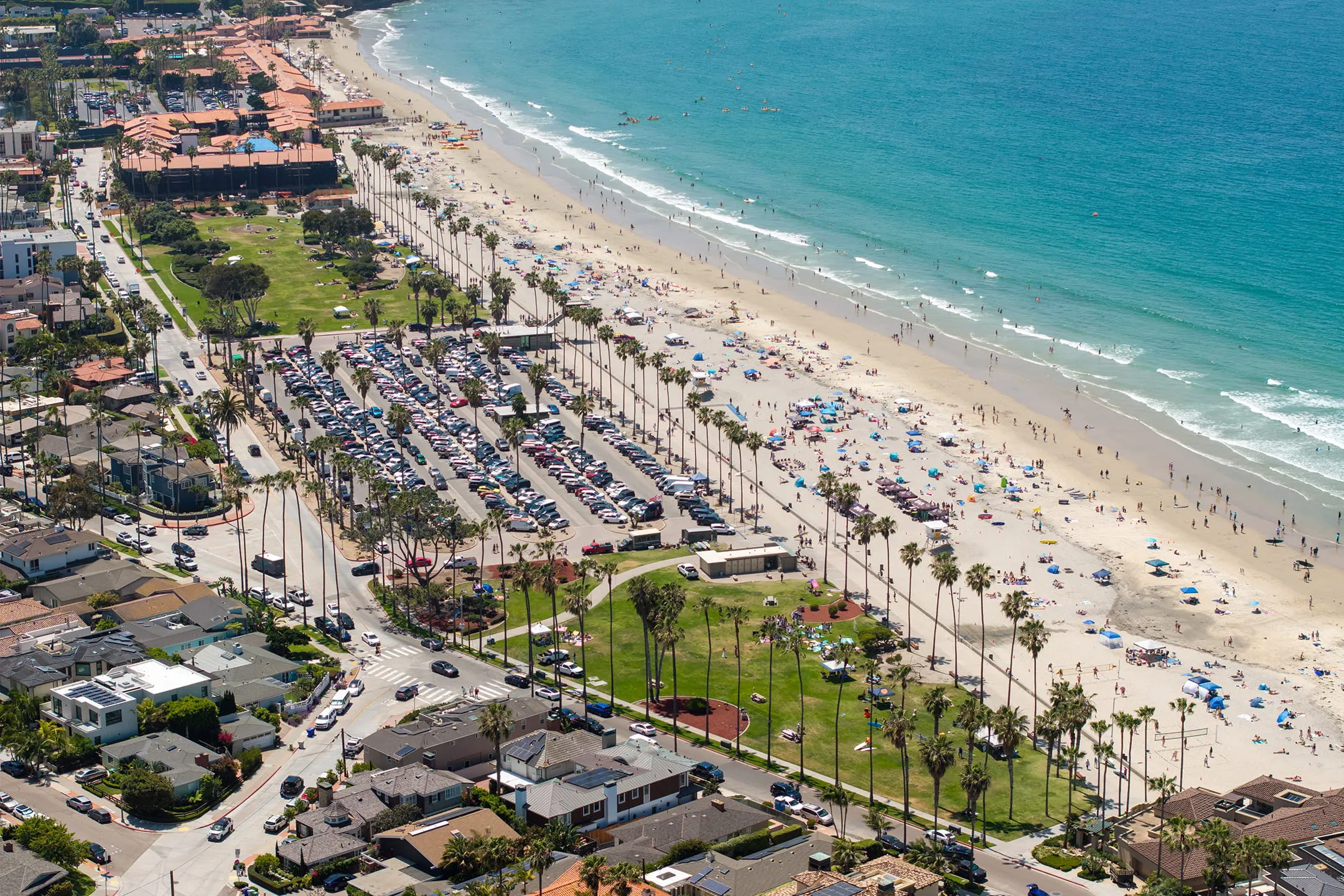
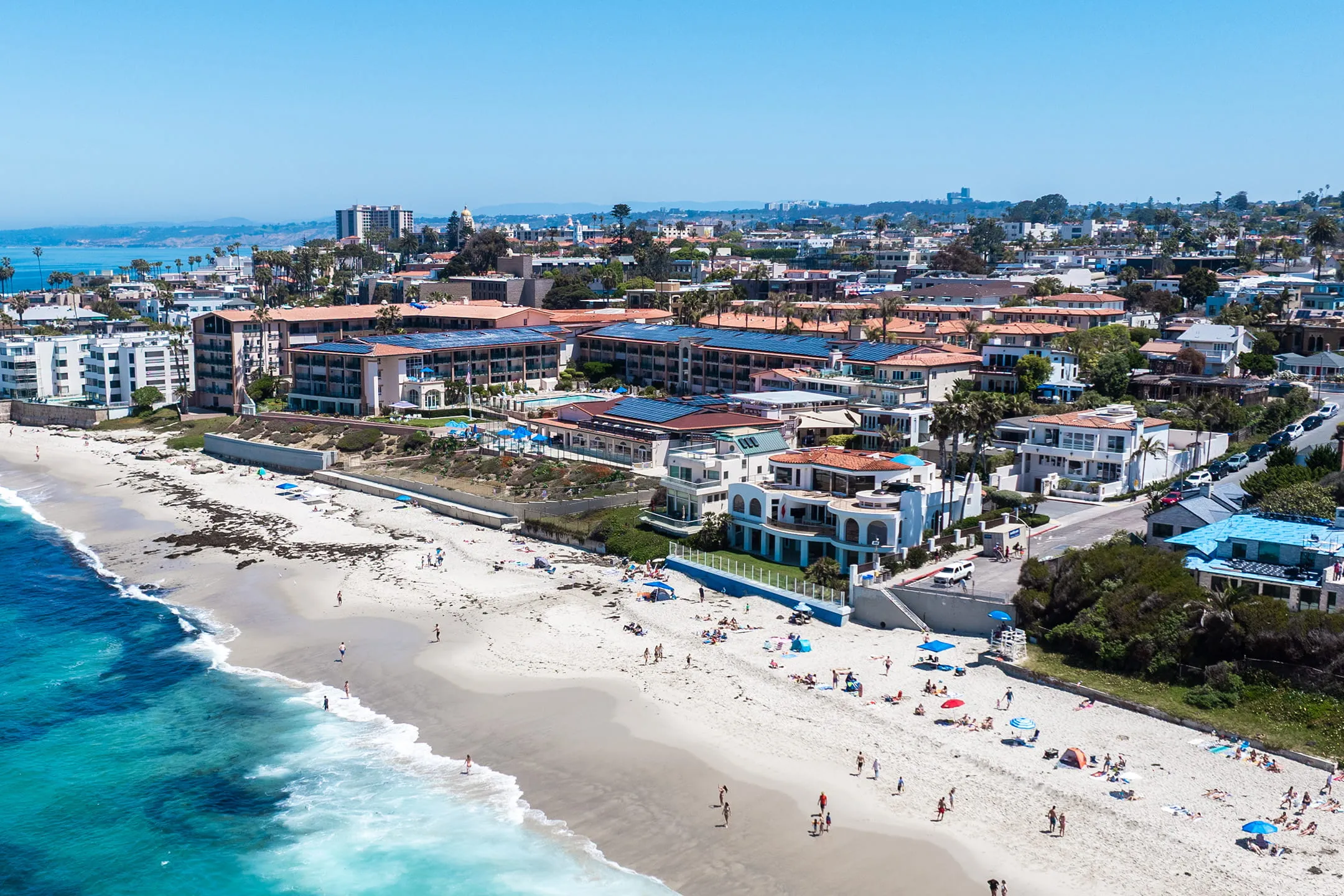
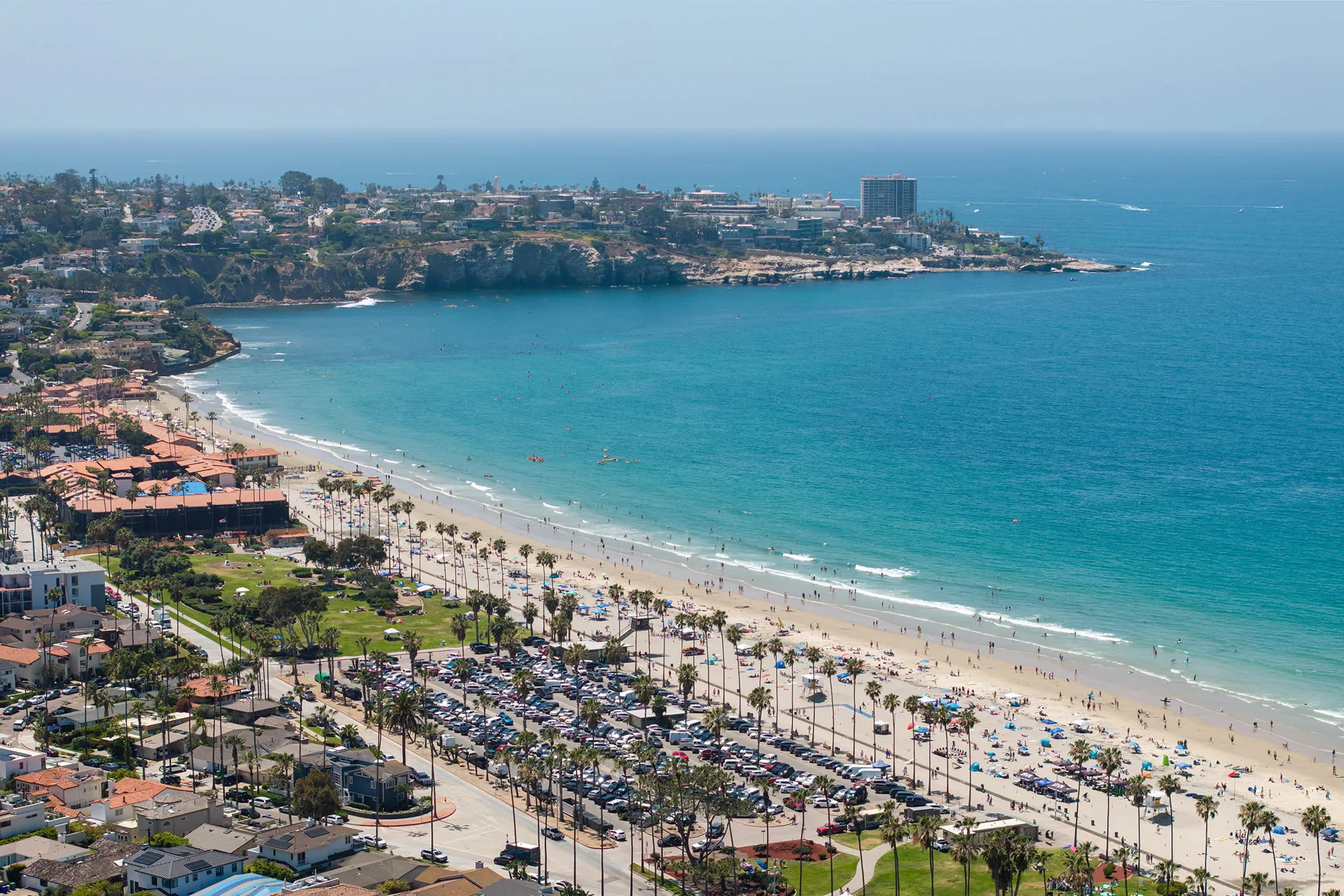
A strong onshore wind in late spring brings these small, translucent beings to the beach, making a walk in the sand a little more interesting.
Small, strange creatures have washed up on the beach at La Jolla Shores starting the last week of April, prompting confusion, concern and mostly awe. Called Velella velella, these are a harmless component of La Jolla’s marine ecosystem that appear in late spring or early autumn some years.
What are Velella velella?

Called “by-the-wind sailors” for their appearance, the Velella velella acts accordingly, floating passively on the ocean’s surface to move around.
Only three to four inches in diameter, these creatures are often seen off the Pacific coast, spreading their small tentacles to stun their zooplankton (tiny crustacean) prey.
Though their translucence appears to be jellyfish in nature, the velella aren’t in the jellyfish group but a different, related group, more closely connected to the Portuguese man o’ war; each creature is a colony of individuals with separate functions assembled as one organism.
Why are the velella showing up in La Jolla?

In late spring or early autumn, local wind patterns shift; when a strong wind catches the velella’s sail-like appendage, the creature is washed ashore, often by the dozens or hundreds.
This appearance is unpredictable, however, depending on water temperature, wind direction and food source availability.
Are the Velella velella harmful?

Velella velella do have stinging cells within their tentacles, but are virtually harmless to humans, usually unable to penetrate our skin.
Regardless, it’s wise to avoid touching these creatures, as despite their benign nature, La Jolla is home to stinging jellies that could be confused for velella.
Additionally, these are living beings that could be pulled into the ocean by the next high tide for another chance to feed and thrive or be eaten by those further up on the food chain; disturbing them would disrupt the cycle.
Should you spy the Velella velella on the sand, look, photograph and walk onward.