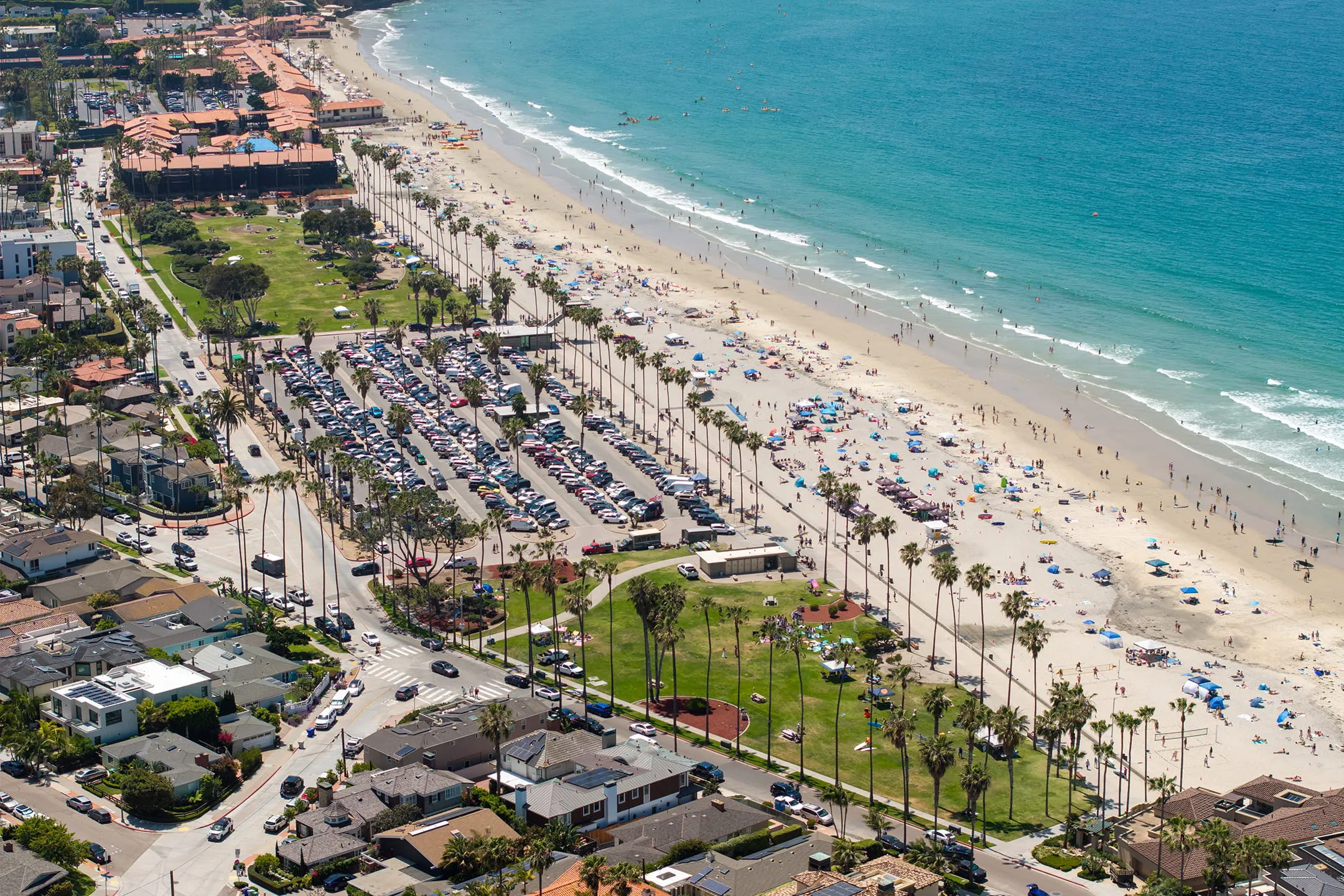
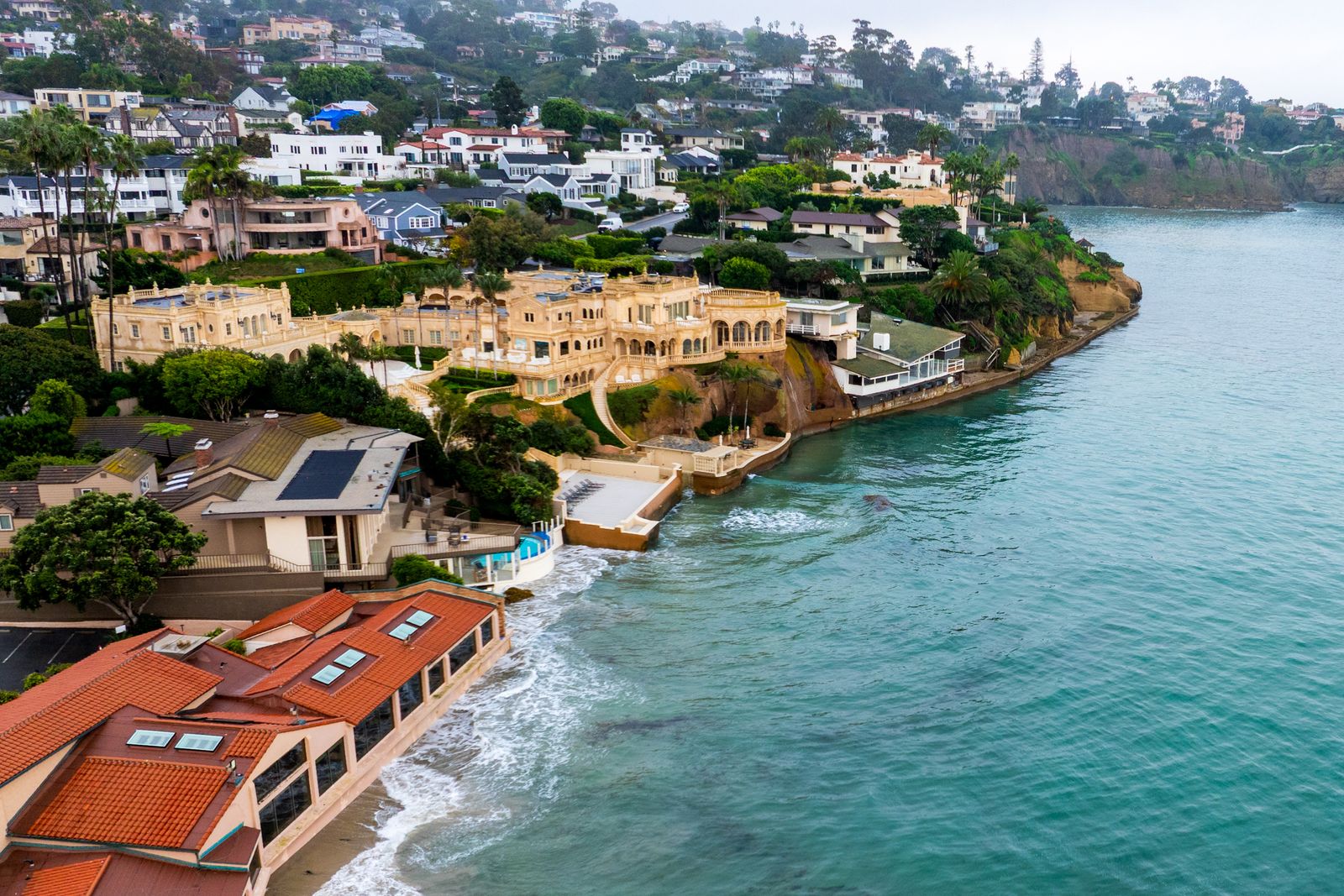
The Association for the City of La Jolla believes independence from the city of San Diego will benefit San Diego financially and is awaiting proof.
Some believe if La Jolla becomes its own city, San Diego will lose financially. But the Association for the City of La Jolla claims this is not the case, believing a forthcoming fiscal analysis will prove La Jolla cityhood means more money for San Diego.
La Jolla is not its own city; it is a community within San Diego and beholden to San Diego’s laws and policies. ACLJ believes a city of La Jolla would benefit La Jollans and San Diegans greatly.
“We believe [an incorporated La Jolla] is going to be so strong and so transparent that it’s going to help cities everywhere,” ACLJ Vice President Ed Witt said at an April 28 community meeting attended by about 45 people during which ACLJ laid out the cityhood process and addressed misconceptions.

“We are closer than you think,” ACLJ President Diane Kane said.
So far, ACLJ has applied for incorporation with the San Diego Local Agency Formation Commission (LAFCO) and won a lawsuit filed by the city of San Diego against LAFCO and ACLJ contesting the validity of petition signatures collected as part of the application.
San Diego will now have to pay about $116,000 in legal fees per the settlement.
Why La Jolla cityhood?
“We believe decisions should be made locally and with accountability,” Kane said, adding “things are pretty chaotic” in San Diego.
“We can help the city do better by getting rid of us,” she added. “They won’t lose any money.”
Net neutrality and fiscal analyses
That San Diego will suffer financially should La Jolla leave is a common misconception among people throughout the region, Kane and Witt confirmed.

San Diego “won’t be harmed” by La Jolla’s cityhood, said Jack McGrory, who recently joined ACLJ as an advisor and chief negotiator.
LAFCO will decide if La Jolla’s incorporation is viable and the application will not proceed if the proposal is not net neutral or financially beneficial to San Diego, McGrory affirmed.
The next step in the LAFCO cityhood application process is for LAFCO to contract a consultant (funded by ACLJ) to perform a comprehensive fiscal analysis that will show whether cityhood is viable.
ACLJ’s preliminary fiscal analysis, released in 2024, showed that an incorporated La Jolla would have to pay about $8 million to San Diego annually for a negotiated number of years.
The preliminary analysis did not include items such as one-time startup costs, division of city facilities, unfunded pension liabilities and more.
These items will be included in the forthcoming comprehensive fiscal analysis and would be negotiated with San Diego, Kane said.
ACLJ believes the comprehensive analysis will confirm that San Diego will not lose financially should La Jolla secede.
Convincing San Diego
If LAFCO determines La Jolla cityhood is feasible, the matter moves to a ballot measure. La Jolla residents would have to vote to approve incorporation and voters in the rest of the city of San Diego would also have to vote their approval.
That citywide vote is the largest obstacle, McGrory said. “The rest of the neighborhoods don’t really like us that much.”
That dislike stems from a misperception of La Jolla as a wealthy community funding much of San Diego’s economy, money that will be lost if San Diego loses La Jolla, he said.
“The fact of the matter is that will not be the case. We have to be revenue neutral,” McGrory said.

“That’s state law,” Witt added.
If La Jolla’s incorporation does make it to a vote, “we’re gonna have to run a hell of a campaign,” McGrory said. “It’ll be a political campaign.”
Responding to audience comments about the daunting nature of such a task, Witt said ACLJ is “working on a positive approach where we will prove this is not only good for La Jolla, but it’s really better for the city of San Diego.”
Objection may not be as strong as once thought, however: “I’ve been in connection with groups all over San Diego, and they are all as upset with the management of downtown as we are,” Kane said.
Navigating future steps
Another obstacle will be pushback from San Diego, already evidenced in the 2025 lawsuit, McGrory said.
“The strange thing about all of this is nobody knows what to do exactly,” McGrory said.
No city has incorporated from another city in the entirety of California since Coronado detached from San Diego in 1890, in a poorly-documented process before the establishment of the Cortese-Knox-Hertzberg Local Government Reorganization Act of 2000, which codified procedures for changes to local government organization.

Other incorporated cities in the region like El Cajon (1912) and Del Mar (1959) were formed from unincorporated land in San Diego County, undertaking a different and more straightforward process.
“The whole state is watching this to see how [this is] all going to play out,” McGrory said, adding he anticipates “a lot of litigation” from San Diego.
“We are very excited, and we really are much closer than you could ever imagine,” Witt said.
“We’re going to start fresh, new [and] transparent with a whole different idea as to how to govern,” he said. “That’s how this is a legacy for all of us in La Jolla.”
ACLJ is fundraising now for the LAFCO fiscal analysis and further stages of the cityhood effort; the association estimates it will need $1 to 2 million or more for LAFCO fees, legal costs, specialized consulting and more.