New results from a four-year study found that a network of in-ground sensors can reliably warn of landslide dangers hours or days ahead.
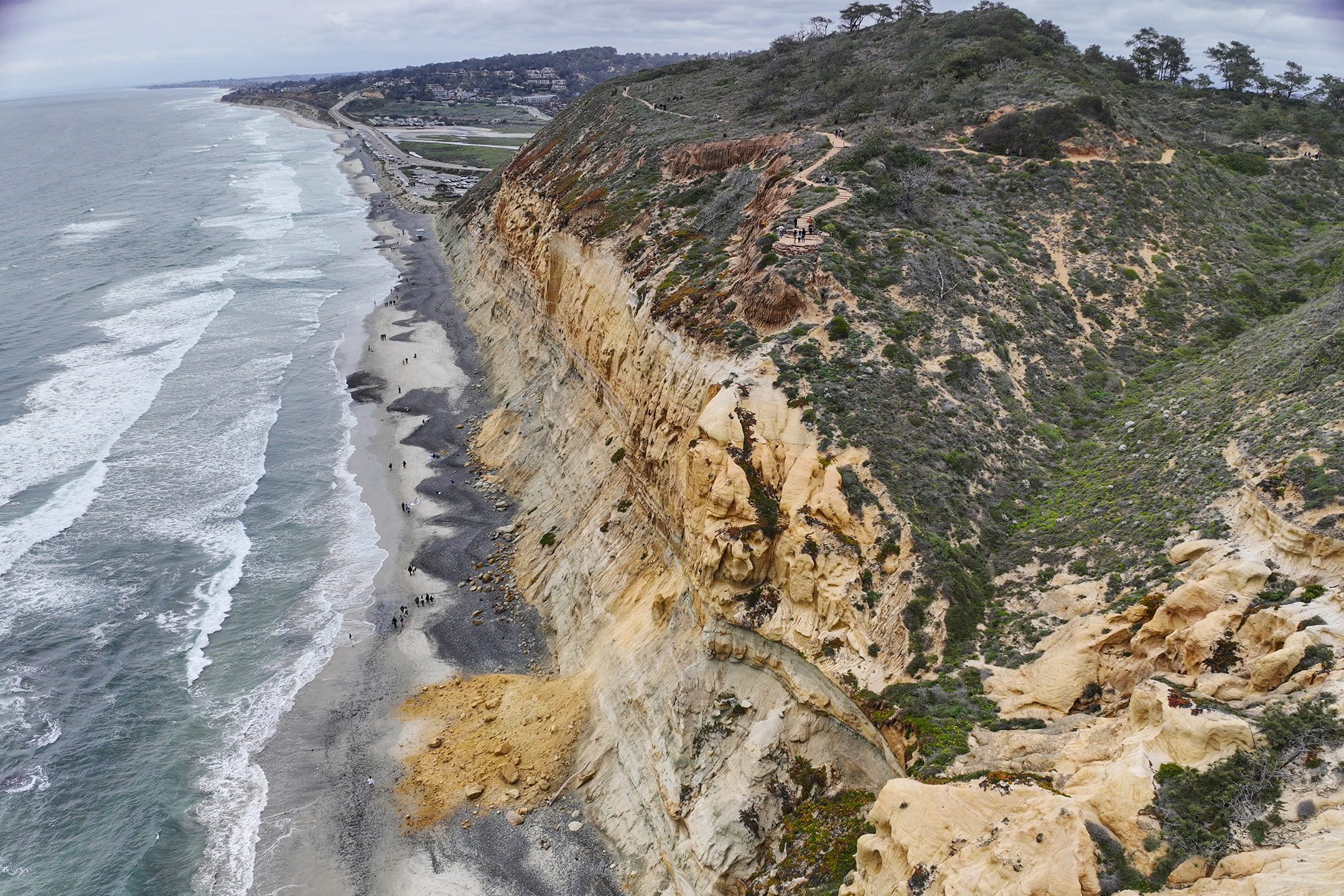
Cliff collapses in La Jolla and other coastal areas can be predicted, according to a new study from UC San Diego’s Scripps Institution of Oceanography, with potential to save lives.
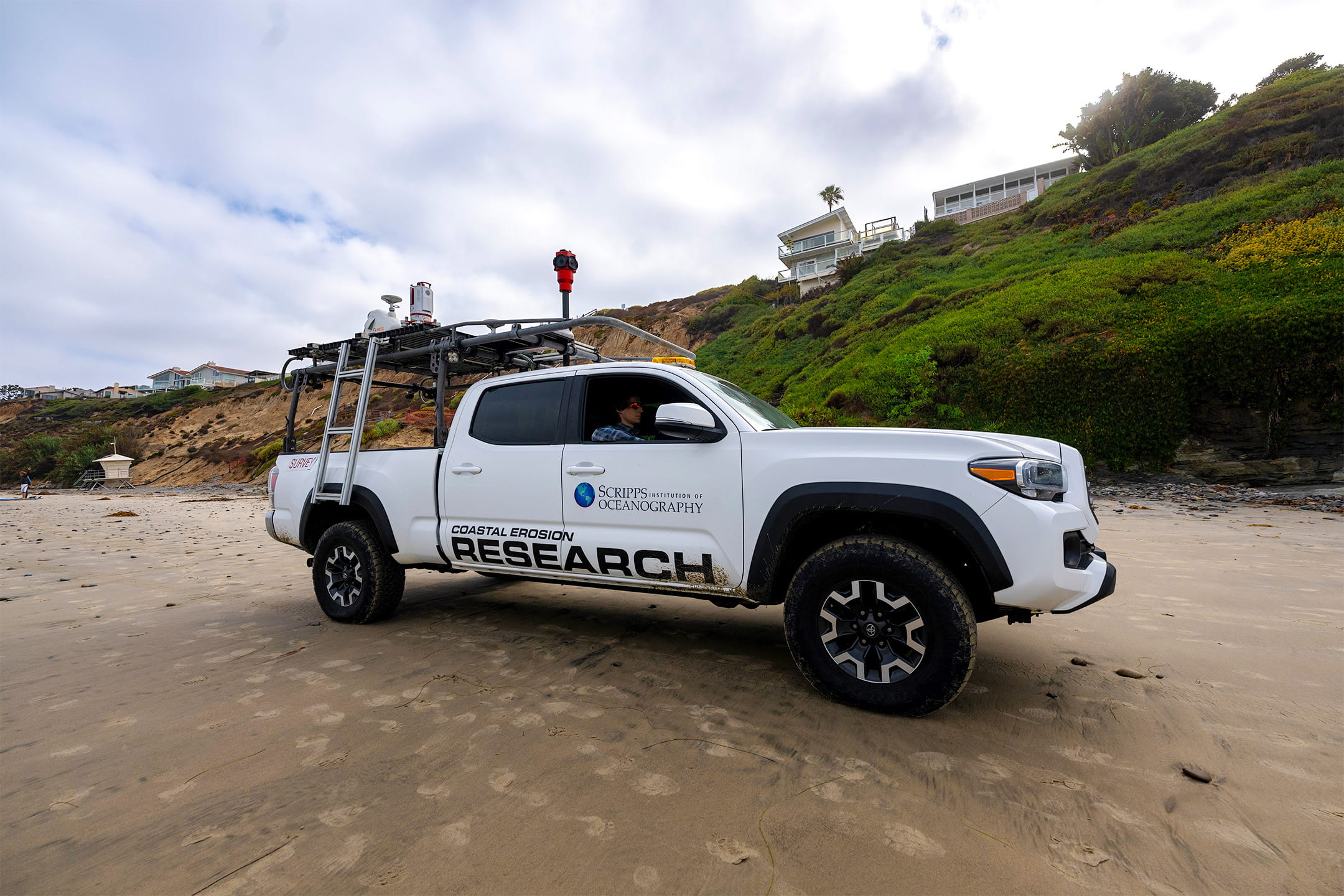
The results from the four-year study, shared with the state, point to the feasibility of a bluff failure warning system, said SIO coastal geomorphologist and study lead Adam Young.
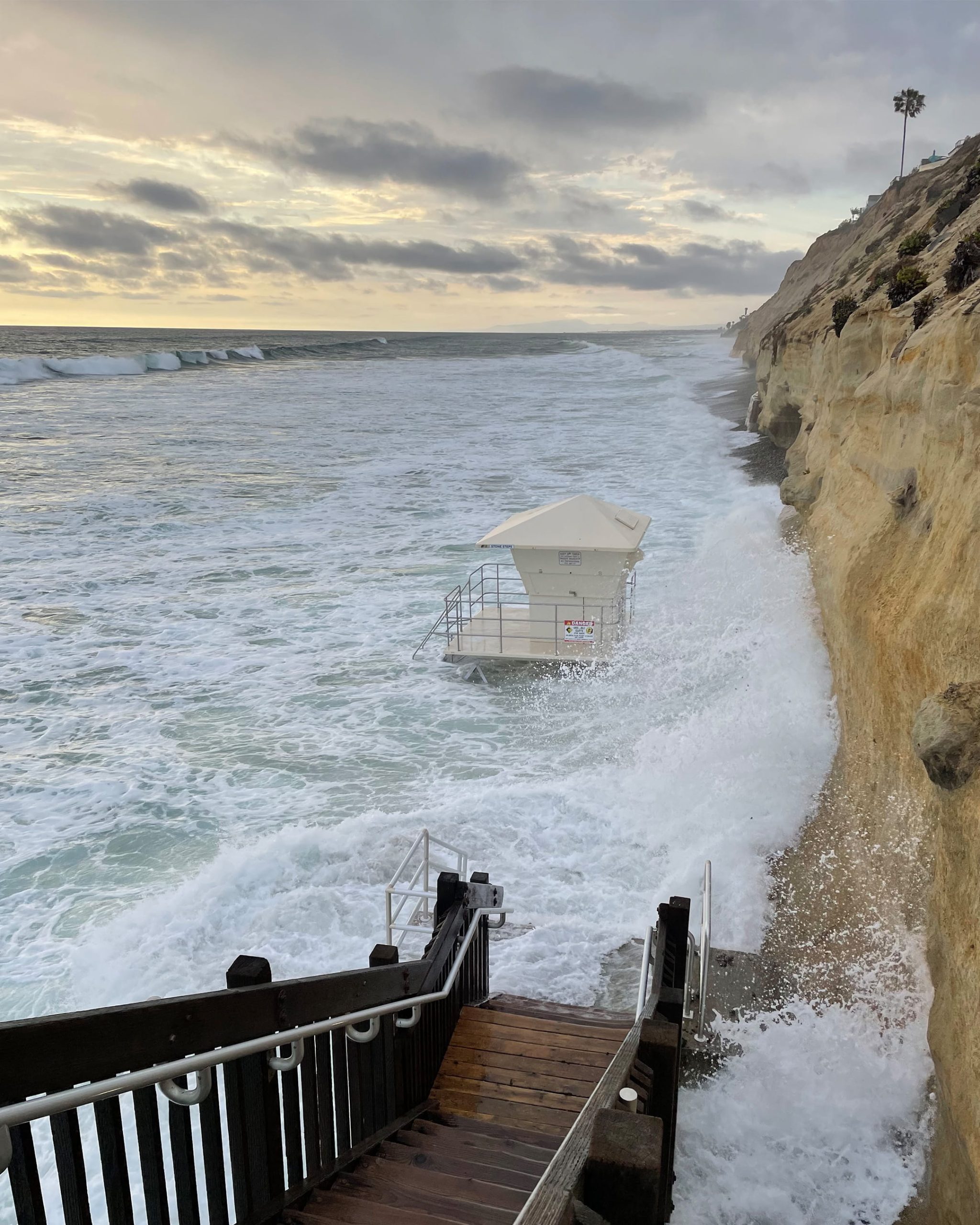
About 70% of California’s 1,050 miles of coastline is cliffs, Young said, with a large portion of that developed with various infrastructure such as highways and railways and residential structures that are threatened by erosion.
Sudden cliff collapses have the potential to become “catastrophic disasters,” Young said, noting California has had 15 recorded collapses that have caused at least 25 fatalities.
Ten of those 15 events have happened in San Diego County, Young said.
The study resulted from California Assembly Bill 66 and a $2.5 million grant to SIO, spearheaded by Assemblymember Tasha Boerner, after three women were killed following a cliff collapse in 2019 in Encinitas.
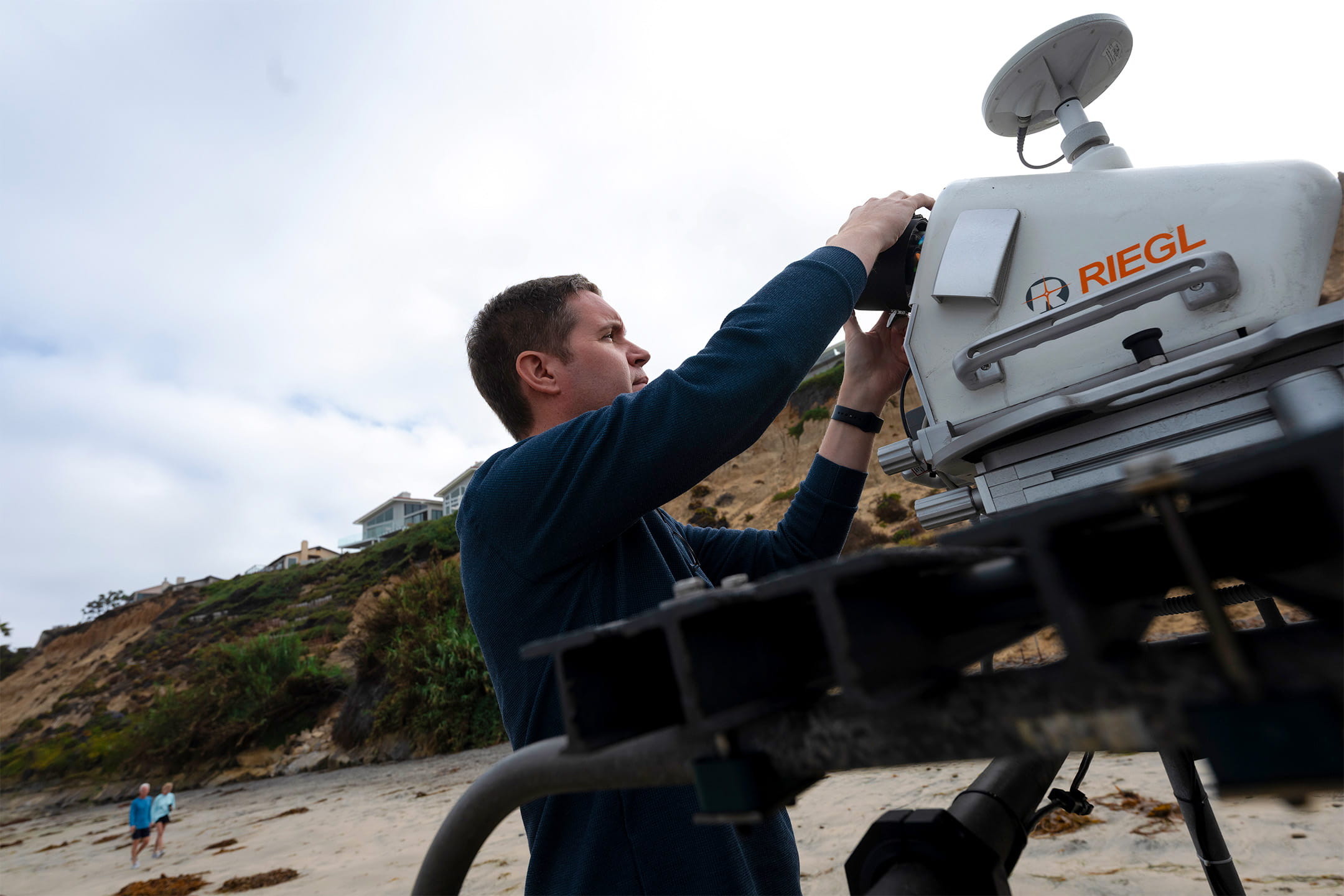
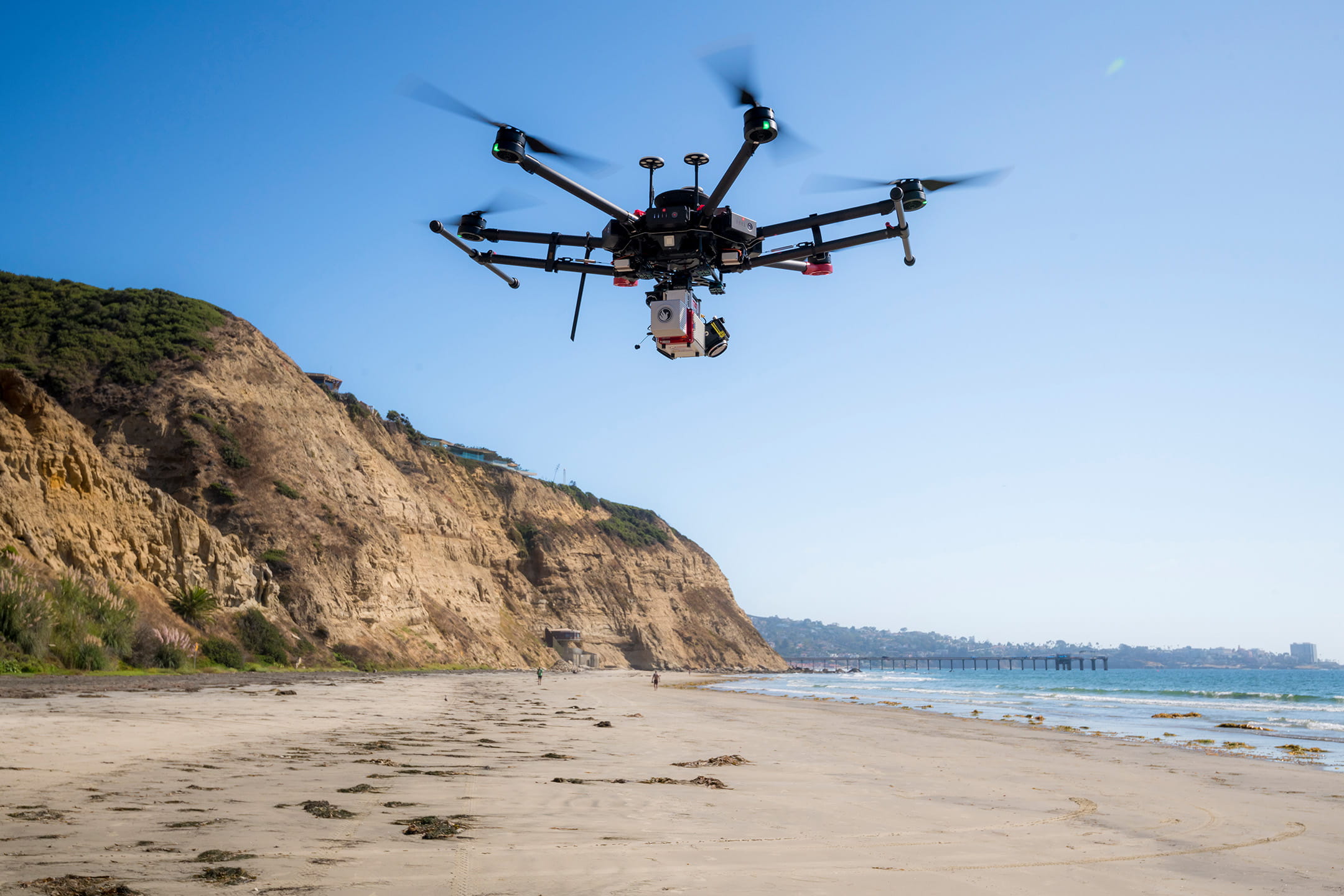
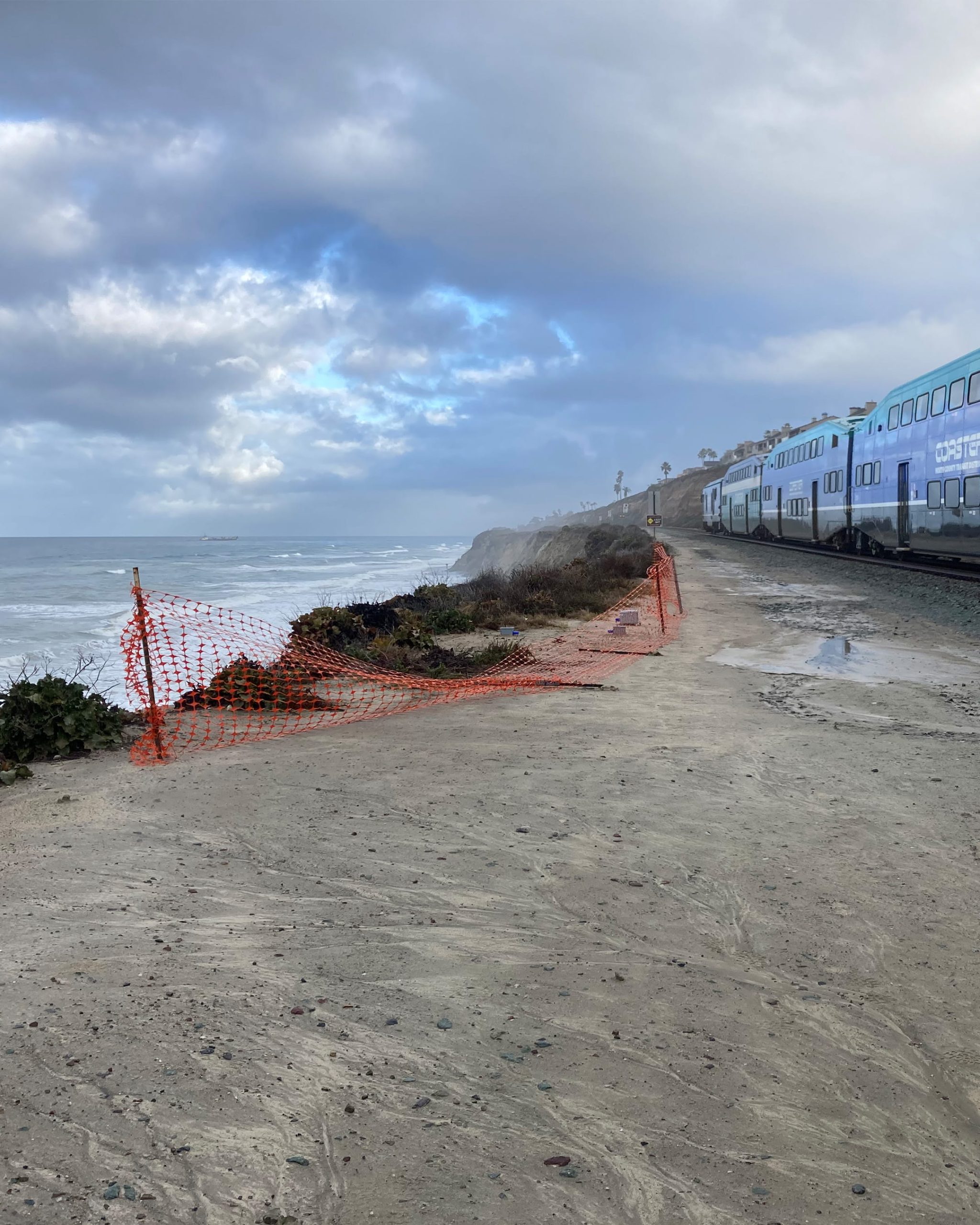
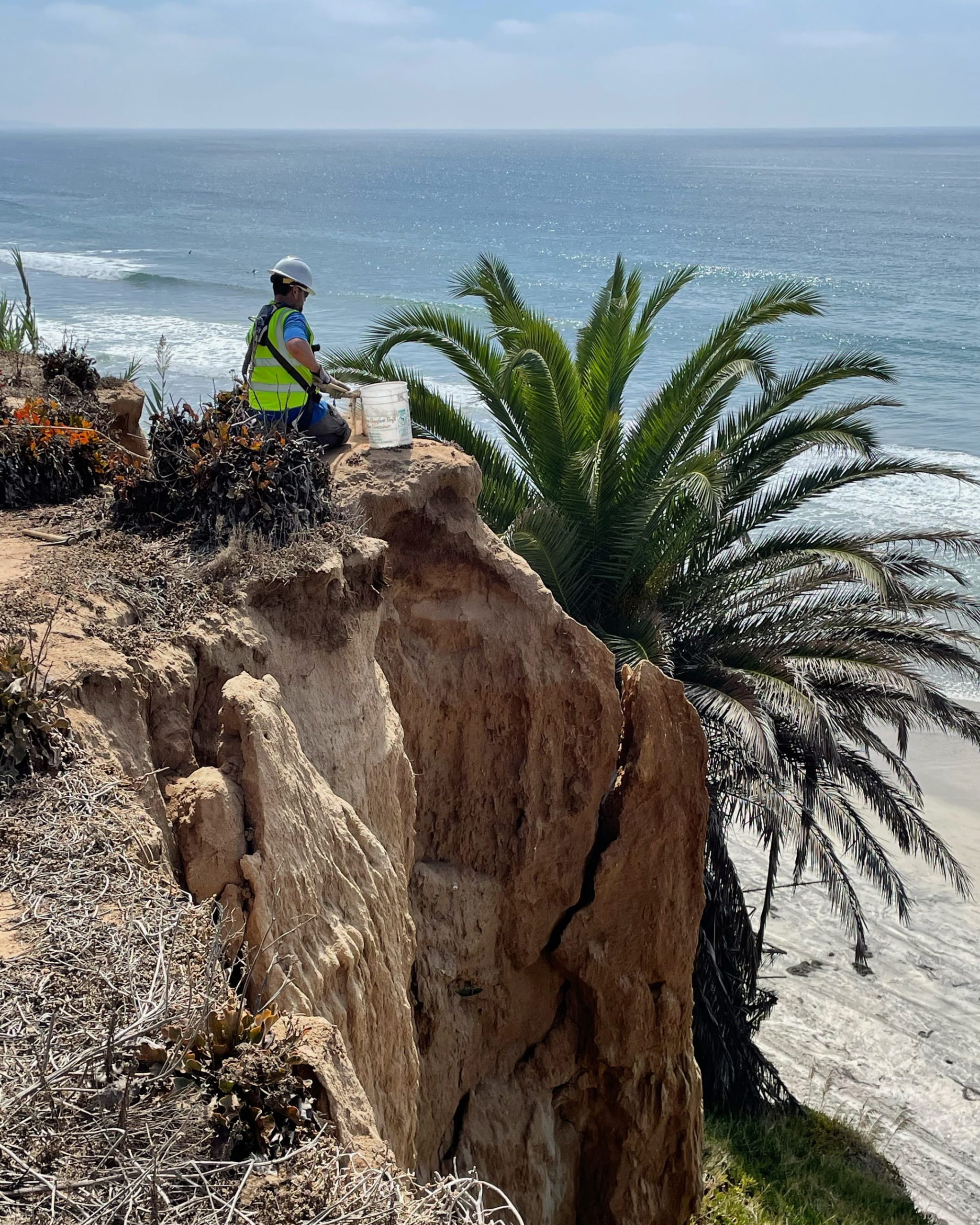
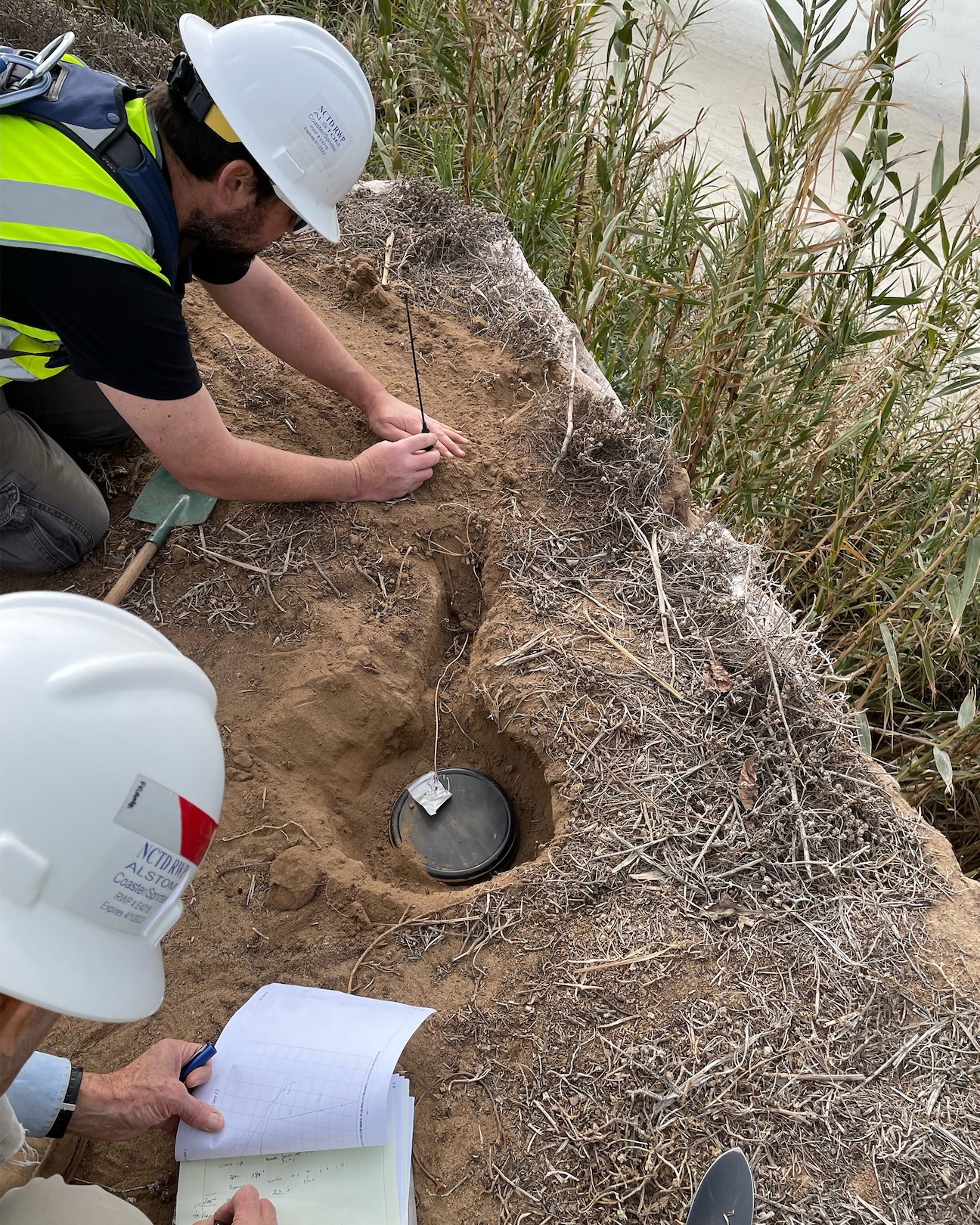
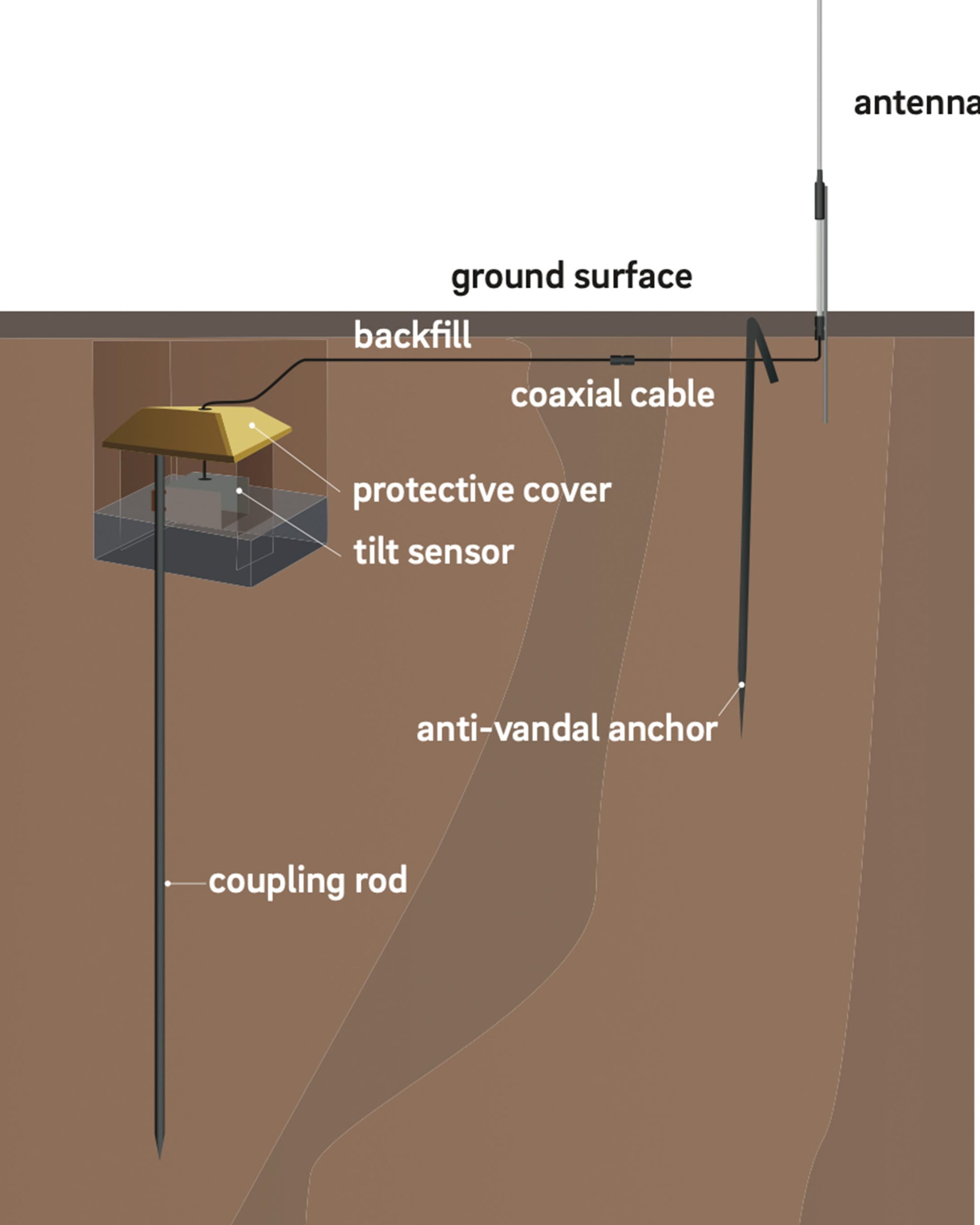
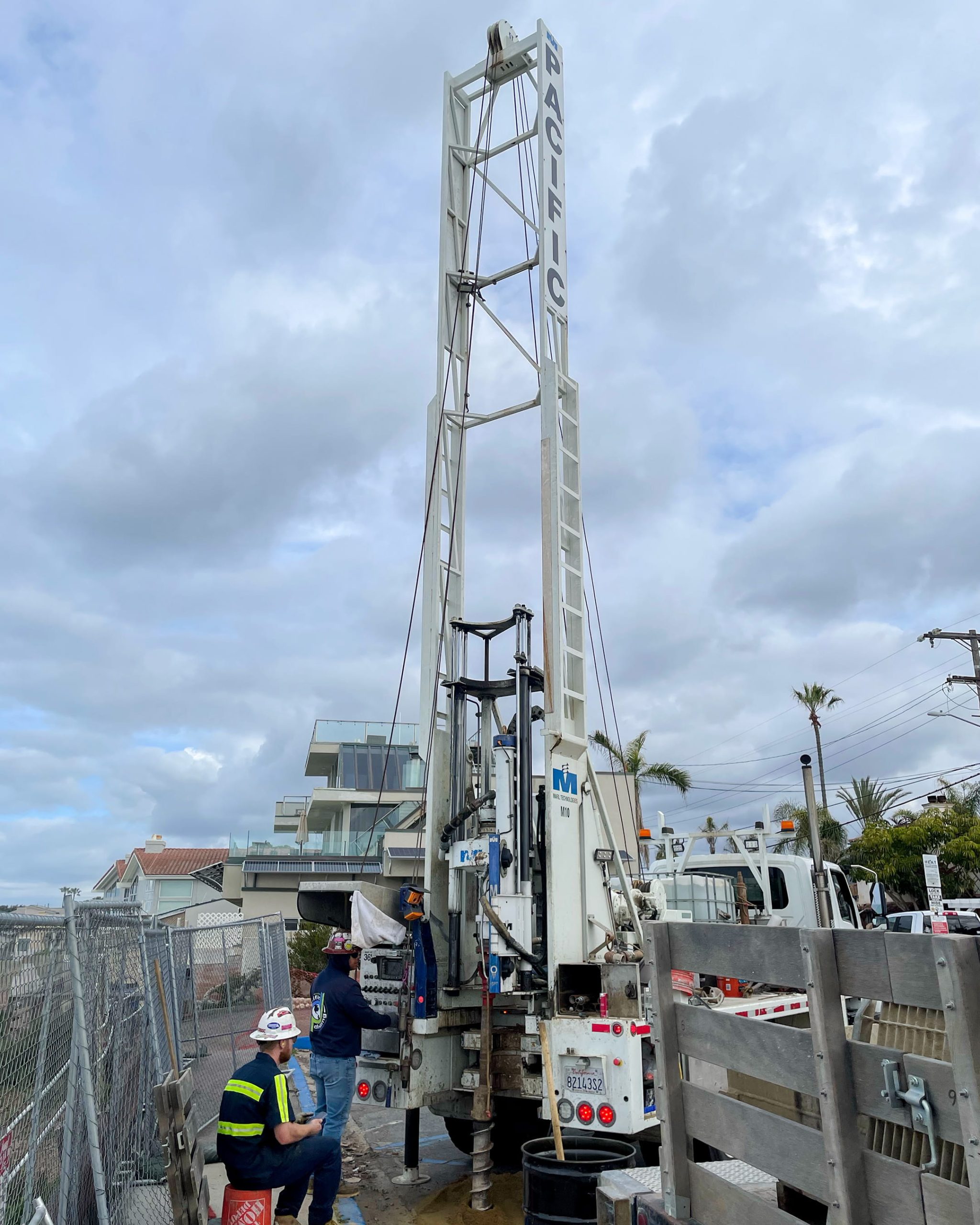
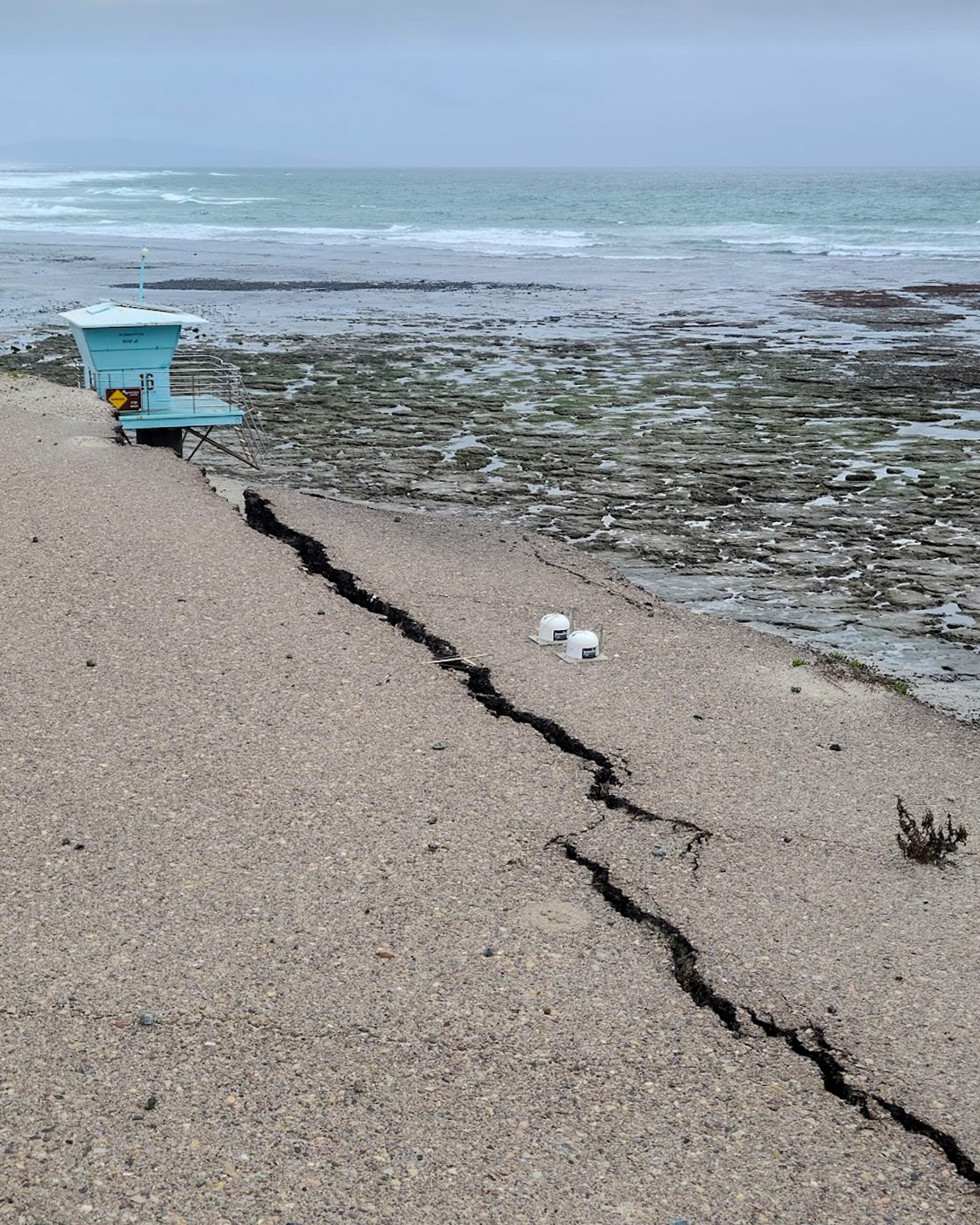
To investigate how to improve safety during collapses, Young and his team installed sensors in the ground at three different spots in northern San Diego County: Beacon’s and San Elijo State beaches in Encinitas and the railway corridor in Del Mar.
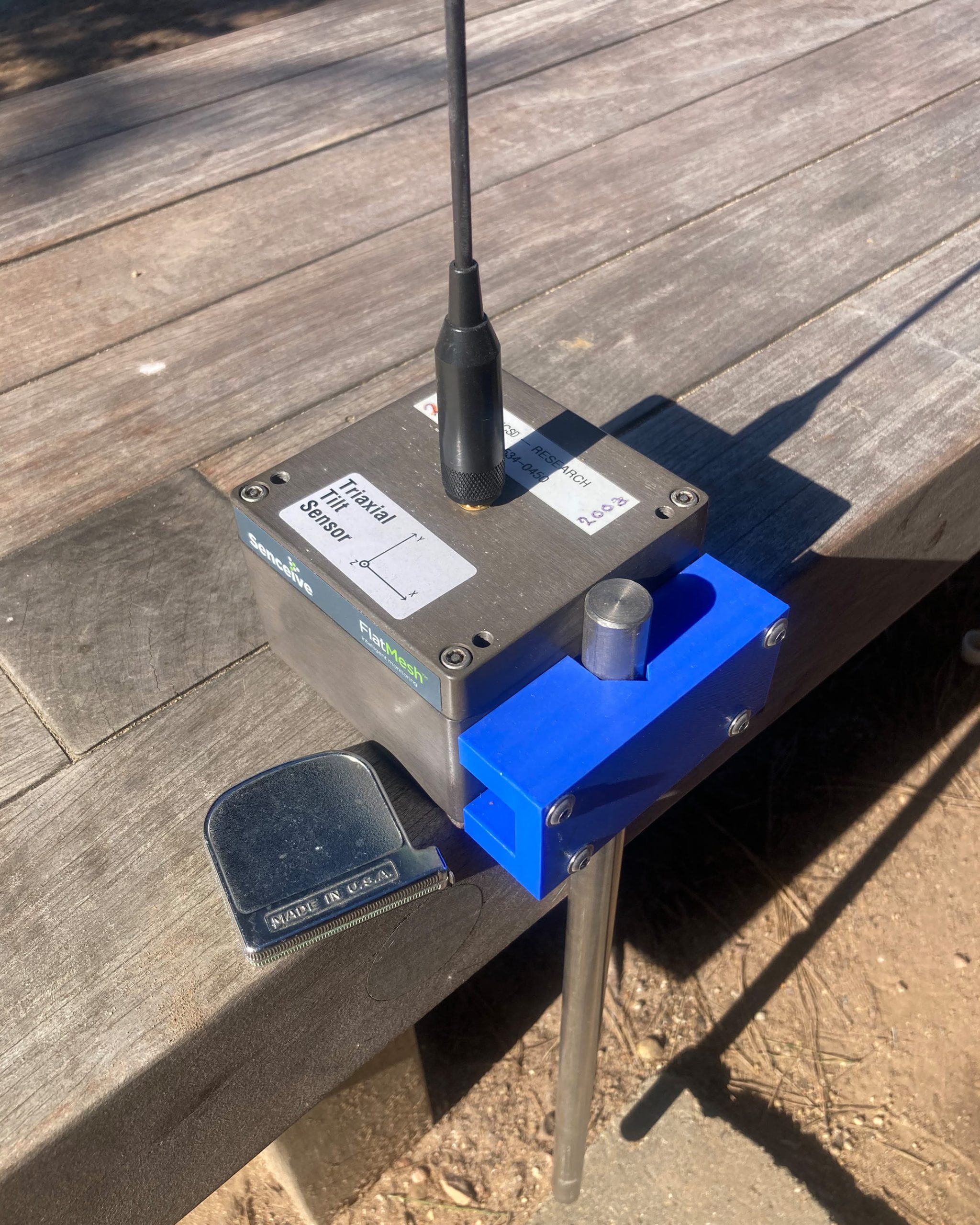
The sensors operated in networks, “sending data back to us … in real time so that we could monitor them,” Young said, adding that the team was looking for whether the information can “detect ground motion signals prior to one of those sudden collapses.”
The team expected to see “some sort of signals prior to the collapse,” he said, but the high quality of the actual data was “surprising.”
Scientists saw a rapid increase in the “acceleration of the ground tilt” about two days before a medium-sized landslide in Del Mar, Young said, with similar records collected throughout the sites.
“One of the things we learned with this project is that we need to develop protocols for how to deal with this information,” he said.
Such protocols might include temporarily closing a beach or cliff top when sensors indicate impending cliff failure; undertaking a controlled rock detachment to prevent injury; continuous monitoring of conditions; and signage to educate people about the risk of cliff collapse.
The study also looked at erosion and landslide timing, finding that though landslides happen all year, elevated rainfall conditions lead to more cliff erosion and landsliding activity.
Using rain information, along with predicted tide conditions and what Young called “beach geometry,” scientists are able to provide a forecast for various coastal locations and changing beach widths, helping beachgoers plan optimal beach visit times.
Going forward, the team would like to expand the study, adding newer sites and lengthening the study duration.
“This will involve a bit of a learning curve in some places where the landslide styles could be different,” Young said, “but we have a lot of confidence that what we’ve learned in San Diego could absolutely be applied to other places throughout the state.”