Pushing past limits and fears, disabled veterans took to the waves for adaptive surf lessons over five days in La Jolla.
For the last five days, La Jolla Shores has been a place of empowerment beyond limits as one of the bases for the annual VetSurf National Summer Sports Clinic.
In partnership with the US Department of Veterans Affairs, the clinic, hosted by AmpSurf, brought 138 newly-injured veterans to the water Aug 24 through today, Aug 29, for adaptive surf lessons, getting them on boards in the water regardless of mobility.


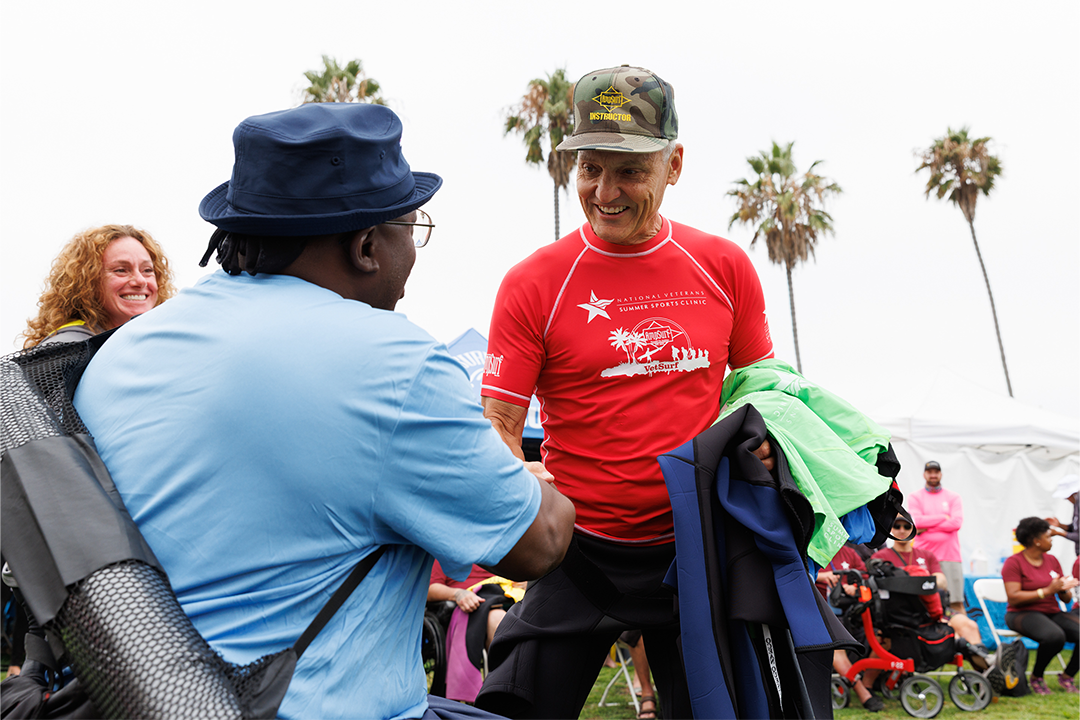

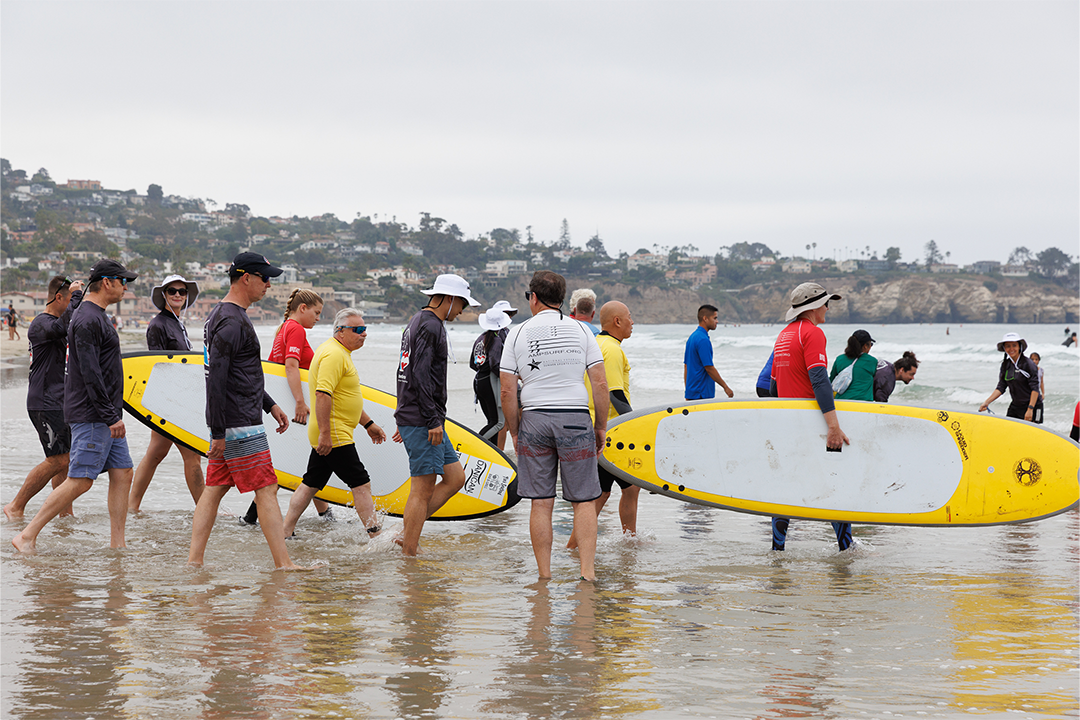

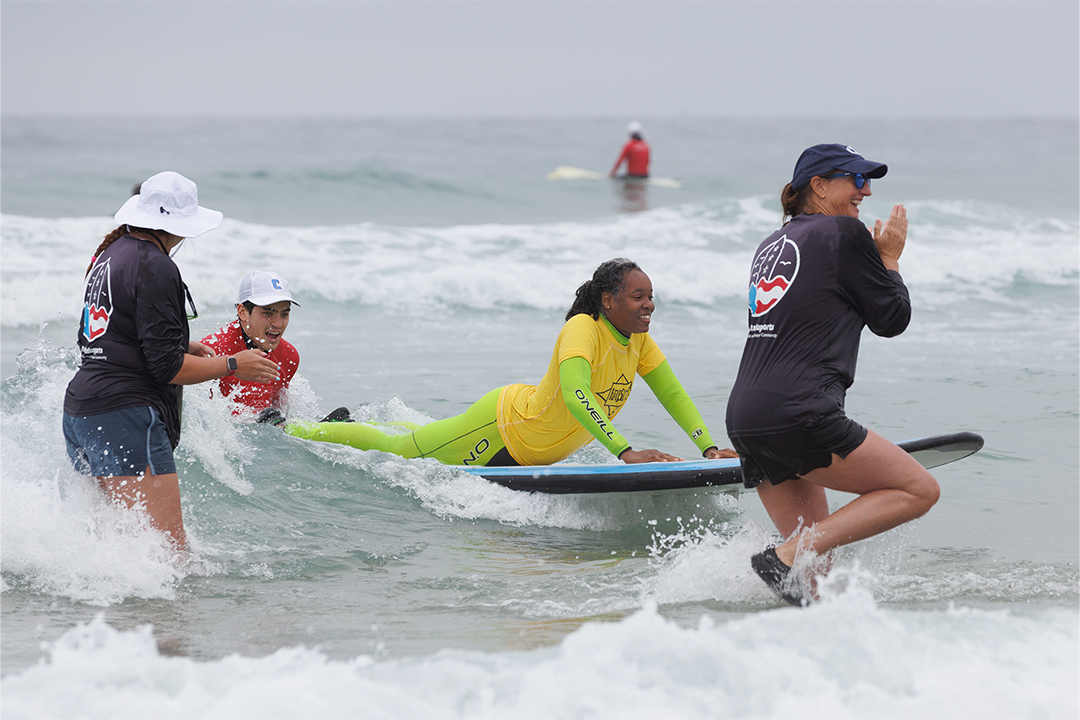


Among dozens of surf instructors, therapists and volunteers and cheers of infectious encouragement, the disabled veterans were inspired to try the thrill of surfing while healing in the ocean and celebrating what they can do.
Recreational therapy “has changed my life,” said Bethany Sagsveen, a National Guard veteran who came out to the clinic from St Paul, Mn.
Sagsveen, who suffers from long term nerve damage in her leg after an accident, has “done a lot of things [while] scared in the last year and a half,” she said.
“You can choose to stay home and be in pain and live in misery, or you can choose to go and just try new things.”
While on the surfboard Aug 27, Sagsveen was able to get to her knees and eventually pulled herself to standing.
“When they said ‘last wave’, I was like, ‘I gotta get up. I gotta get up. I gotta get up.’ And I got up!” she said.
“It’s like magic. I can’t believe that it happened, but it did,” Sagsveen added.

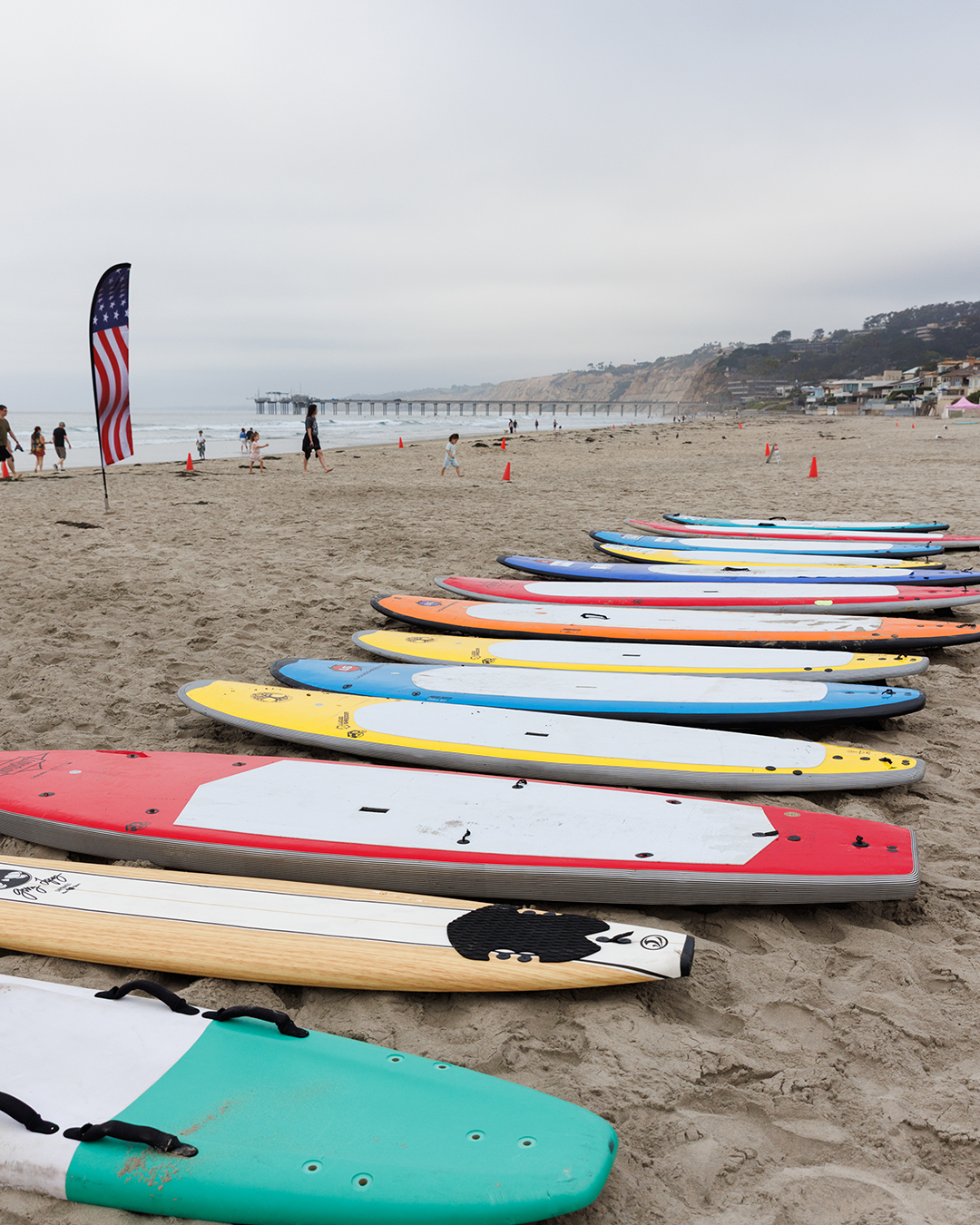

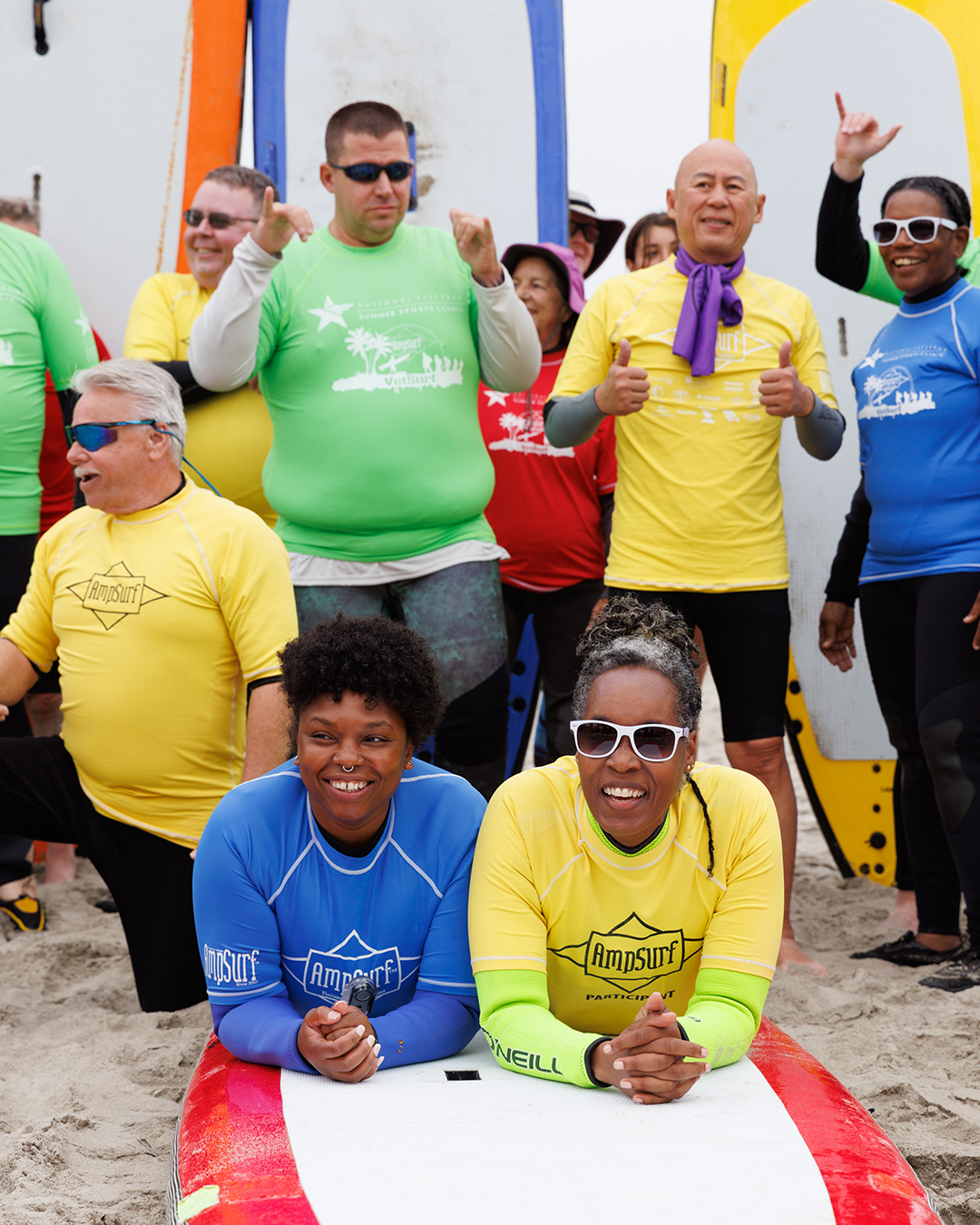

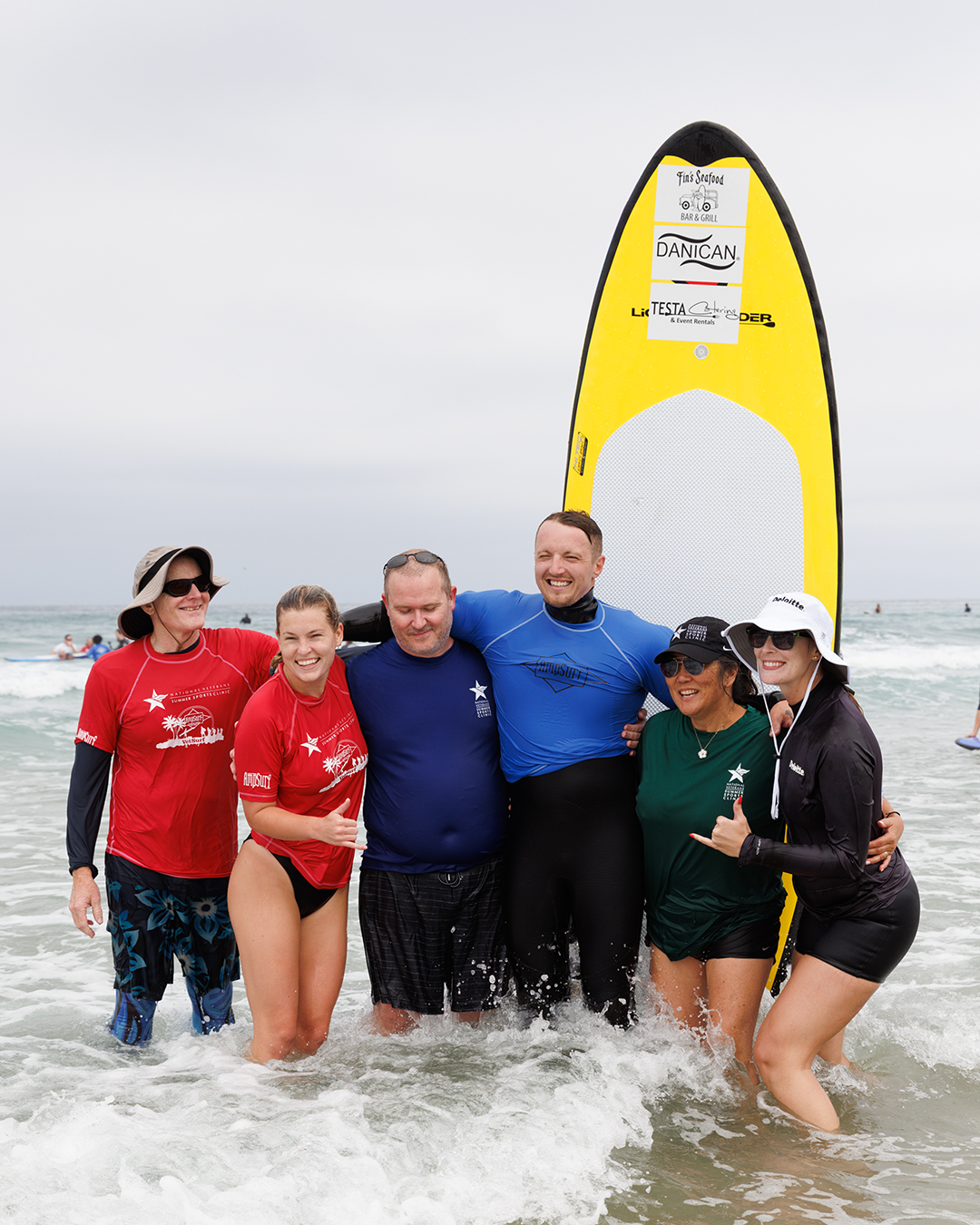
The summer sports clinic also includes adaptive kayaking, cycling and fitness sessions over the week, all designed to get veterans “comfortable working with their own challenges,” said Utah-based VA physical therapist Curtis Ivins.
Some veterans, whether suffering from a traumatic brain injury, amputations, spinal issues or mental health diagnoses, often feel hampered by their disabilities and are afraid to try new things, he said.
“It can be intimidating in a wheelchair,” Ivins said, but the clinic is aimed at showing the veterans they are more than their injuries, increasing confidence.
The week is a “whole process,” he said, with occupational, physical and recreational therapists helping the veterans manage travel in an airplane, navigating a hotel room and restaurants, activities that can seem daunting to new wheelchair users and others.
“It’s active rehabilitation not just sports,” Ivins said. “It’s pretty cool stuff we get to do.”
The critical component, according to Ivins? The camaraderie.
“Veterans need veterans,” he said.
“Programs like this are a blessing to us, and so needed, because whole life has a lot of aspects,” Sagsveen said.
“The environment that we live in is hard, and participating in recreation and hobbies and community is what really matters. I’m very grateful for things like this,” she added.