Whale watching from La Jolla or the waters off San Diego is an unforgettable marine adventure.
Just a sightline away from the migratory paths of some of the world’s most majestic marine mammals, San Diego offers an unparalleled opportunity for whale watching. Whether you start whale watching in La Jolla or elsewhere, there are a few ways for both seasoned whale-watching enthusiasts and first-timers to look for these gentle giants in their natural habitat.
Before you take to the shore, read our guide to discover everything you need to know about whale watching in La Jolla and San Diego, from the best times of the year to spot different species to the top tour operators offering unforgettable experiences.
Prepare yourself for a thrilling ocean encounter!
Why 2026 is a prime year for whale watching in La Jolla

The San Diego coastal geography places the region directly along the migration routes of several whale species, making it a prime destination for whale watching.
San Diego and La Jolla are home to nutrient-rich waters, which attract an array of marine life and mammals, offering visitors a chance to witness these majestic creatures up close.
Conditions for whale watching in La Jolla for the 2026 season are shaping up to be excellent, with gray whales migrating through La Jolla in “pretty good numbers,” according to Nicole Schriber, a graduate student at UC San Diego’s Scripps Institution of Oceanography with expertise in whales.
The gray whales (more information below) are “showing up in force” daily, Schriber said, noting that earlier in the season is better for spotting these creatures from land, as the southbound migration is when they stick closer to shore, straying further offshore on their northbound return.
A spotter’s field guide: what to see and when to see them
San Diego is a year-round destination for marine life. Knowing exactly what to look for right now is key to a successful sighting.
The gray whale (peak season: December through February)
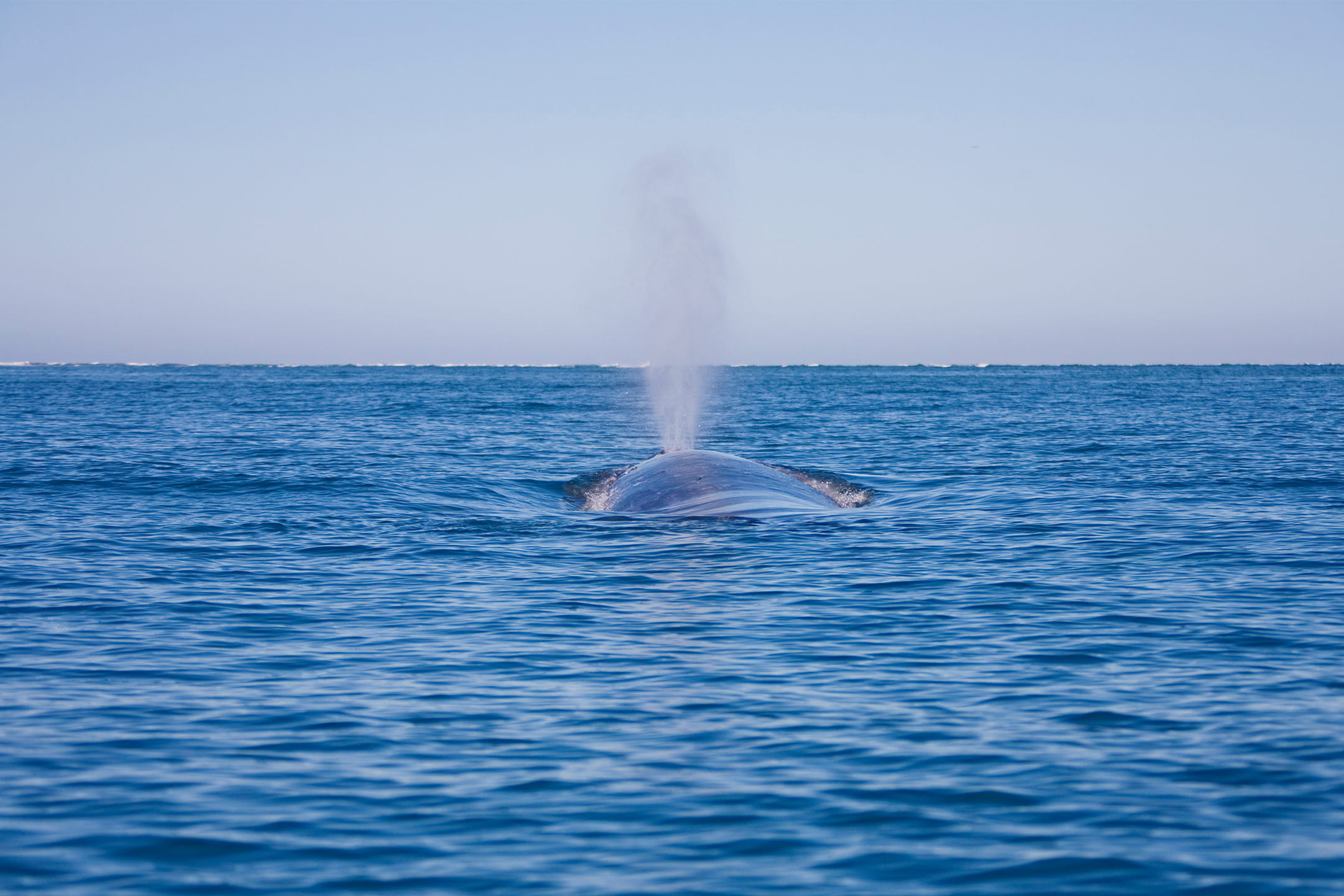
The gray whale makes one of the longest annual migrations of any mammal, traveling annually about 10,000 miles roundtrip from the icy waters of the Arctic past San Diego to the warm lagoons of Baja California, where they breed and give birth. Gray whales are known for their curiosity toward boats and can often be seen surfacing, spouting and breaching (jumping out of the water) close to shore. Look for a heart-shaped spout.
The blue whale (peak season: May through September)
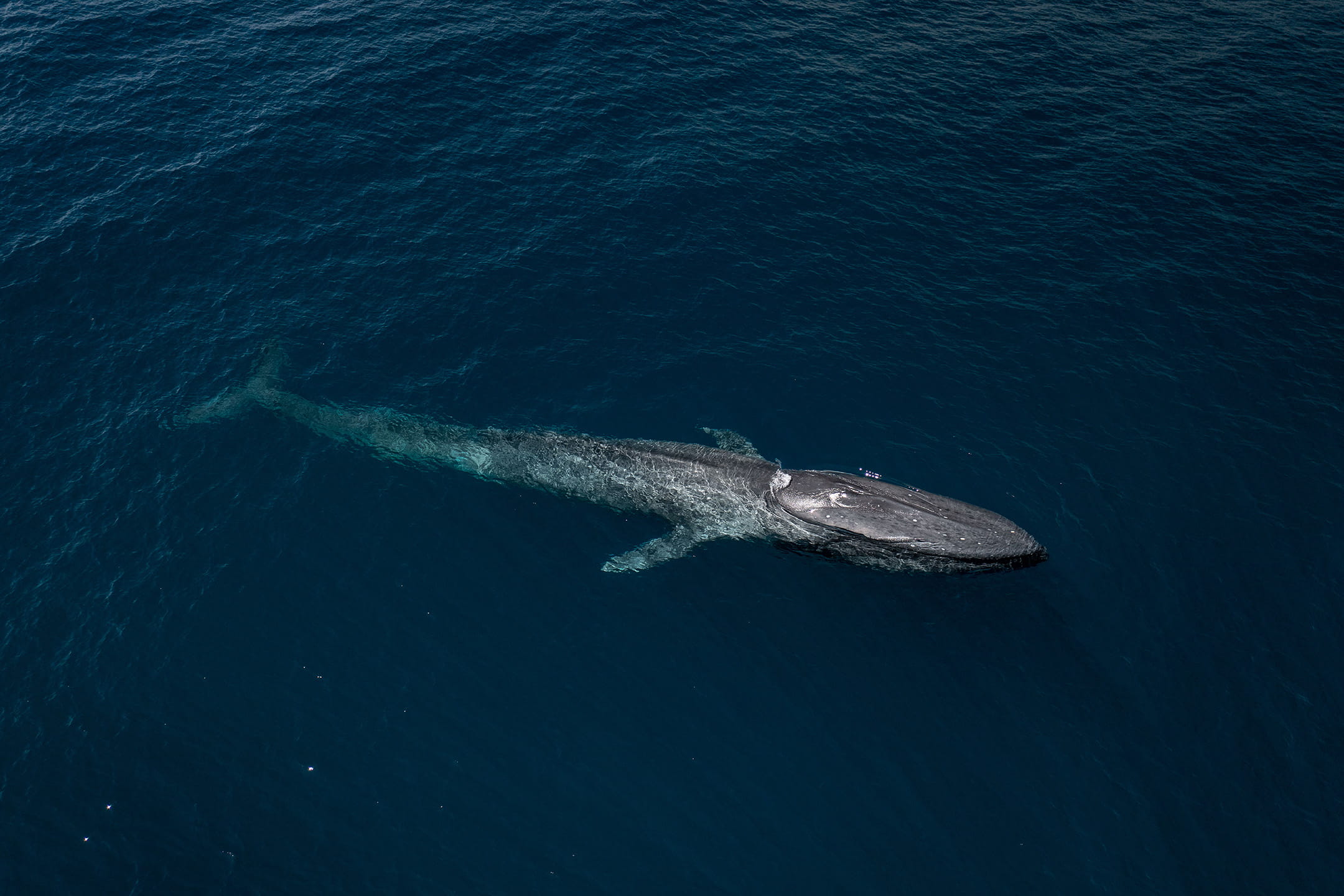
These massive creatures, reaching lengths of up to 100 feet, are a breathtaking sight during their summer feeding season. Their sheer size and graceful movements leave a lasting impression. Blue whales are most often recognized by their massive, vertical spouts. San Diego is normally the “best place in the world” to see blue whales, Schriber said, as their food source, krill, are plentiful here.
Humpback whales (peak season: mid-spring and mid-autumn)

With flukes (tails) up to 18 feet wide, humpback whales are an exciting find, breaching or slapping the surface with their pectoral fins and tails, seemingly playing. These creatures are rarer, so consider yourself lucky to spot one.
Orcas (peak season: winter)

Image courtesy of Alison Moors
Even rarer is the orca, or killer whale, with its distinctive black and white markings. Orcas can venture north through Southern California waves in groups in the winter, hunting dolphins and other whales.
You may also see fin whales or minke whales in San Diego, though these species are more shy and elusive.
In addition to whales, the ocean off San Diego and La Jolla is teeming with other marine life including dolphins, sea lions, sea turtles and a variety of seabirds, so any whale watching excursion is truly an awe-inspiring combination of breathtaking scenery and abundant wildlife.
Shore-based viewing: how to watch without a boat
If you want to stay dry, while still taking advantage of each season of whale watching in La Jolla this year, head to your closest buff: La Jolla’s coastline offers several vantage points for whale watching.
Torrey Pines State Natural Reserve

The elevated cliffs at Torrey Pines State Natural Reserve offer a panoramic view of the migration path; the height gives you a distinct advantage for spotting spouts against the horizon.
- Parking can be difficult. Consult our ultimate La Jolla parking guide before you go.
- Plan your trek with our hiking guide to La Jolla’s trails.
Coast Walk Trail

A scenic and easy path, Coast Walk Trail offers benches and unobstructed ocean views. It is perfect for setting up a spotting scope or camera.
- Learn more about this historic La Jolla route in our Coast Walk Trail exploration.
Birch Aquarium at Scripps

Image courtesy of Birch Aquarium
UC San Diego’s Birch Aquarium often hosts spotting events during whale season. Its Tide Pool Plaza offers a commanding view of the ocean and staff members are often on hand to help point out wildlife.
- Check out our Birch Aquarium playbook for suggestions, ticket info and hours.
For viewing from La Jolla Cove or further south, Ellen Browning Scripps Park and Whale View Point are particularly popular spots for sighting whales during their migration.
On the water: kayaking and boat tours
Nothing compares to being on the water with these creatures.
The intimate experience: kayaking

Getting closer to the whales in La Jolla involves a kayak tour. Companies like Everyday California and La Jolla Kayak offer whale watching tours for a unique perspective. Paddle up to the migration route (the tour guides keep you a safe, respectable distance from the whales’ path) for a chance to watch the “parade.” Along the way, you’ll visit the La Jolla sea caves and witness other marine life, making it a well-rounded adventure.
Make sure to book in advance, as kayak tours on peak winter weekends sell out quickly.
The classic experience: boat charters

For a relaxed day, cruise through San Diego Bay or depart from Mission Bay via companies like Legacy Whale Watch or Gone Whale Watching (where Schriber also works), which offer tours of two to three hours in length. On the boats, you’ll be accompanied by knowledgeable captains and crews able to teach you everything about local whales and other wildlife.
If a San Diego whale watching boat tour is in your future, check the company’s website for current listings of which species they’ve seen and to book tickets.
Dress in layers against strong winds and bring sunscreen and a hat or sunglasses. Then sit back and relax on your way to your whale encounter!
What to look for when whale watching in La Jolla

Image via Gone Whale Watching San Diego/Facebook
- Breaching – when a whale propels its body out of the water. There are full breaches (more than half the body appears) and half breaches (half or less of the body appears).
- Spouting – when a whale exhales air and condensed water vapor. Humpback whales and gray whales can spout 10 to 15 feet high.
- Flukes – Whales will often show their fluke (tail) above the surface before making a deep dive. They also use their tails to slap the water.
- Keep in mind that after whales dives, they do not resurface in the same spot. Watch for them in the direction they are moving to catch their next appearance.
Planning your day around the whales
Whale watching is just one part of a perfect La Jolla day.
- Morning: Start with coffee at Brick & Bell Cafe before your hike or paddle.
- Lunch: Head to The Shores Restaurant for oceanfront dining after your tour.
- Stay: Book a room at La Jolla Shores Hotel to be steps away from the kayak launch.
- Find the perfect place to sleep in our list of La Jolla hotels.
Respecting the wildlife
We must remember that we are guests in the animals’ habitat. The Marine Mammal Protection Act sets specific distances for viewing. Never approach a whale head-on. Never crowd a pod. Responsible viewing ensures these majestic creatures continue to return to our coast year after year.
The 2026 gray whale migration is a reminder of the wild beauty that surrounds La Jolla. Grab your binoculars, check the parking playbook and head to the coast: These giants are passing through and you will not want to miss them.