A large “blob” of warm ocean water has scientists concerned, though a Scripps oceanography believes this particular anomaly will be short-lived.
Scientists are alarmed by a persistent and widespread marine heatwave, though in La Jolla, a Scripps Institution of Oceanography researcher believes the warmer water will cool soon.
Marine heatwaves are “periods of persistent, anomalously warm ocean temperatures,” according to NOAA, “which can have significant impacts on marine life as well as coastal communities and economies.”
Known as a “blob,” the current marine heatwave stretches about 5,000 miles from Japan’s waters to the West Coast of the United States, as reported by CNN.
The unusually warm blob contains some of the hottest ocean temperatures recorded.
Recently, rising ocean temperatures in La Jolla have led scientists to note impacts on marine life like oyster die-offs, recordable sounds and more, along with effects on human behavior.
The recurring marine heatwaves across the northeast Pacific Ocean are driven by persistent, anomalous atmospheric wind conditions, Scripps oceanographer Arthur J Miller, PhD, told lajolla.ca.
“This time, there is an atmospheric low pressure pattern far offshore that is driving northerly winds along our coast,” he said, reducing typical upwelling and pushing warmer offshore waters northeast.
The result? “A large-scale pattern of sea surface temperature (SST) warming,” Miller said.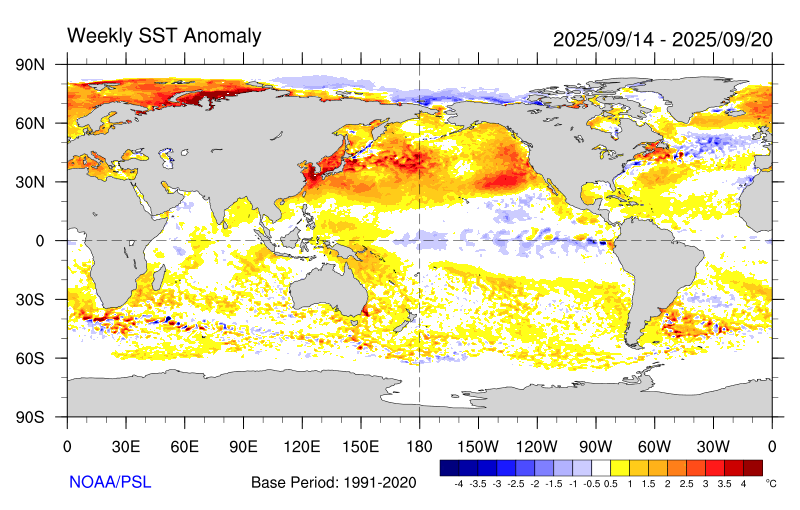
The current marine heatwave, however, is a summer anomaly and likely shallow in nature, he added.
Once atmospheric conditions change, the warmer SST “should fade quickly into the ocean via vertical mixing and … losing heat to the atmosphere.”
Winter marine heatwaves are more concerning, as those SST anomalies go deeper and can persist for several months, enhancing winter storm precipitation in some coastal regions, Miller said.
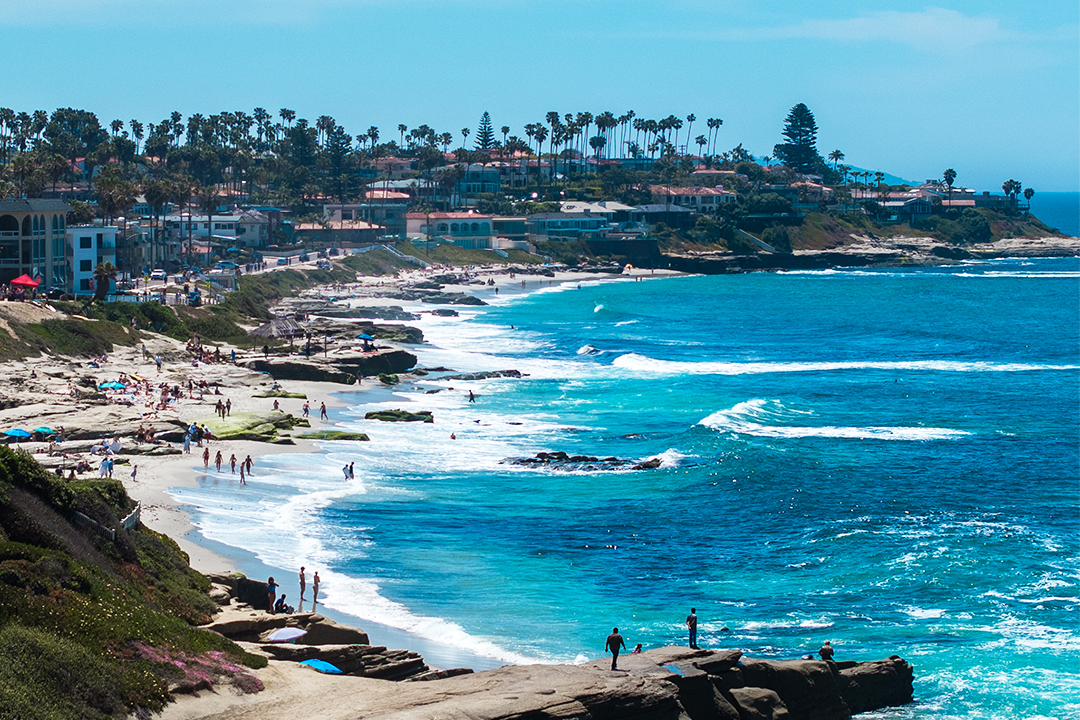
For now, the blob is affecting the summer air in La Jolla with increased temperatures and increased humidity, Miller said, reiterating the long-term effects on the ecosystem will be muted.
“The warming has been much smaller along the coast of La Jolla, compared to way out in the middle of the ocean,” he said, adding that there is a likelihood La Niña will return this fall and winter, cooling down the anomalous blob.